

Welcome to New Hope Physiotherapy
- Brampton 905-846-4000
- Malton 905-364-3900
- Orangeville 519-217-9300
- admin@newhopephysio.com
Pelvic Floor Physiotherapy: The things you need to know about it
 6 Oct 2022
- newhope
- 0 Comments
- 1088
Pelvic Floor Physiotherapy: The things you need to know about it
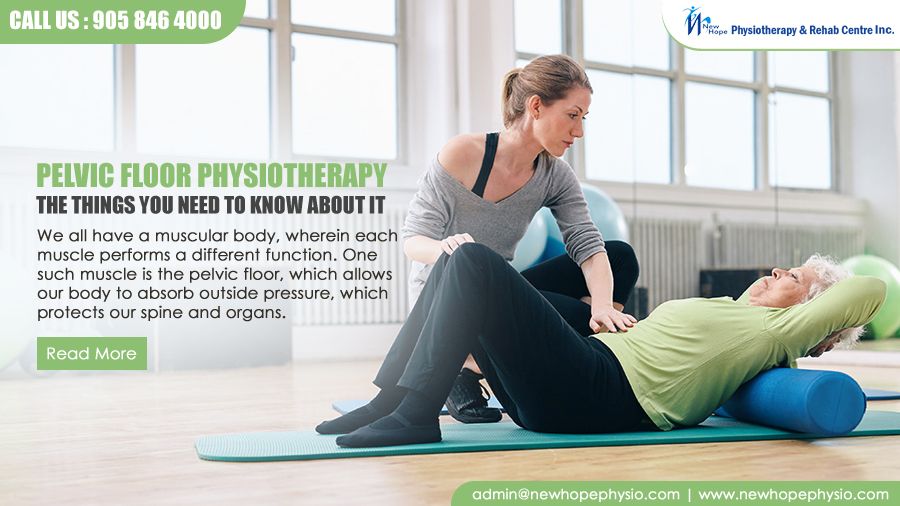
We all have a muscular body, wherein each muscle performs a different function. One such muscle is the pelvic floor, which allows our body to absorb outside pressure, which protects our spine and organs.
The three primary functions of pelvic floor muscles are:
- Pelvic organ support
- Bladder and bowel control
- Sexual function
Improve pelvic floor muscles, It is a mode of treatment that can be functional. This mode of therapy is used to change the role of pelvic floor muscles and bring down the symptoms by working out, daily life moderation, education, and hands-on treatment.
It evaluates and manages a group of muscles involved with urinary, bowel, and sexual function.
Also Read : WHAT IS PELVIC FLOOR PHYSIOTHERAPY?
What happens if pelvic floor muscles aren’t functioning properly?
If pelvic floor muscles aren’t functioning correctly, So it can lead to pelvic floor dysfunction and result in the muscles’ inability to ease and correlate.
Symptoms can include- constipation, straining to defecate, urine or stool leakage, and also experiencing a frequent need to pee.
Hence, to treat such conditions, we have pelvic floor therapy.
Also Read : Everything You Should Know About Pelvic Floor Physiotherapy
Things to know about it
- The exercise one needs to do depends on the severity of the symptoms. So, the pelvic floor muscles need to be strong.
- The pelvic floor is a part of the core, a zone that starts at the diaphragm and ends at the pelvic floor.
- It is very beneficial in these conditions and can help anyone and everyone.
- The treatment can create some uneasiness for the patient.
Also Read : A Guide To Understanding Pelvic Floor Treatments
Exercises
Some of the pelvic floor therapy exercises include the following:
- Quick flick Kegels
- Marches
- Heel slides
- Happy Baby Pose
- Diaphragmatic Breathing
Pelvic Floor Physiotherapy in Brampton
The treatment in Brampton is more or less the same. So, the difference is in the types of movements that come to use.
Biofeedback and electrical muscle stimulation are primarily also used in Brampton.
Also Read : Choose The Best Pelvic Floor Physiotherapy Experts In Brampton
Treatment
So, the treatment majorly requires a lot of exercises.
It may include:
- Hands-on manual therapy
- Diaphragm breathing
- Awareness exercises
- Biofeedback
- Down Training approaches
Also Read : What Is Involved With Pelvic Floor Physiotherapy?
FAQs:
1. What is pelvic floor physiotherapy?
Pelvic floor physiotherapy is a type of therapy that helps improve the strength, flexibility, and function of the pelvic floor muscles.
2. Who can benefit from pelvic floor physiotherapy?
It may help women and men with concerns such as pelvic pain, bladder or bowel problems, pregnancy-related changes, or pelvic floor weakness.
3. What problems can pelvic floor physiotherapy help with?
It may help with urinary leakage, pelvic pain, constipation, painful intercourse, pelvic muscle weakness, and recovery after pregnancy or surgery.
4. Is pelvic floor physiotherapy only for women?
No. Men can also benefit from pelvic floor physiotherapy for concerns such as pelvic pain, bladder problems, bowel issues, or recovery after certain surgeries.
5. What happens during a pelvic floor physiotherapy assessment?
A physiotherapist will discuss your symptoms and health history and may assess your posture, movement, and pelvic floor muscles. Any internal assessment is explained first and should only be done with your consent.
Also Read: 10 Gentle Workouts to Help Lower Back Pain at Home
6. Is pelvic floor physiotherapy painful?
Pelvic floor physiotherapy should be comfortable and respectful. Your physiotherapist will adjust the treatment based on your symptoms and comfort level.
7. Do I need pelvic floor exercises?
Not everyone needs strengthening exercises. Some people have tight pelvic floor muscles and may need relaxation, stretching, breathing exercises, or other treatments instead.
8. Can pelvic floor physiotherapy help during pregnancy?
Yes. It can help manage some pregnancy-related pelvic pain, bladder concerns, and changes in pelvic floor function. A physiotherapist can also provide safe exercises and advice for pregnancy.
9. How long does pelvic floor physiotherapy take to work?
Results vary depending on the problem, your symptoms, and how consistently you follow your treatment plan. Your physiotherapist can help set realistic goals and track your progress.
10. How do I know if pelvic floor physiotherapy is right for me?
If you have pelvic pain, bladder or bowel concerns, pelvic floor weakness, or pregnancy-related symptoms, speaking with a qualified physiotherapist can help determine whether pelvic floor physiotherapy may be appropriate.
Medical Disclaimer:
This content is for general information only and is not a substitute for professional medical advice, diagnosis, or treatment. Pelvic floor physiotherapy may not be suitable for everyone. Always consult a qualified healthcare professional for advice based on your individual needs.
Also Read: What Should You Not Do After Cupping?
Gauravdeep Randhawa, Registered Physiotherapist
Gauravdeep Randhawa is a caring and experienced physiotherapist with over 17 years of experience helping patients recover and improve their quality of life.
She started her own practice in Canada in 2009 and has treated many patients with muscle, joint, sports, neurological, and pelvic health conditions. She has also owned and operated multidisciplinary clinics.
Gauravdeep is a Certified Manual Therapist and has completed training in Contemporary Medical Acupuncture and Pelvic Floor Therapy. She uses hands-on treatment, personalized exercise programs, and evidence-based care to support each patient’s recovery.
Her goal is to help people reduce pain, restore movement, improve function, and achieve long-term wellness in a comfortable and supportive environment.


Leave a Comment