
Welcome to New Hope Physiotherapy
- Brampton 905-846-4000
- Malton 905-364-3900
- Orangeville 519-217-9300
- admin@newhopephysio.com
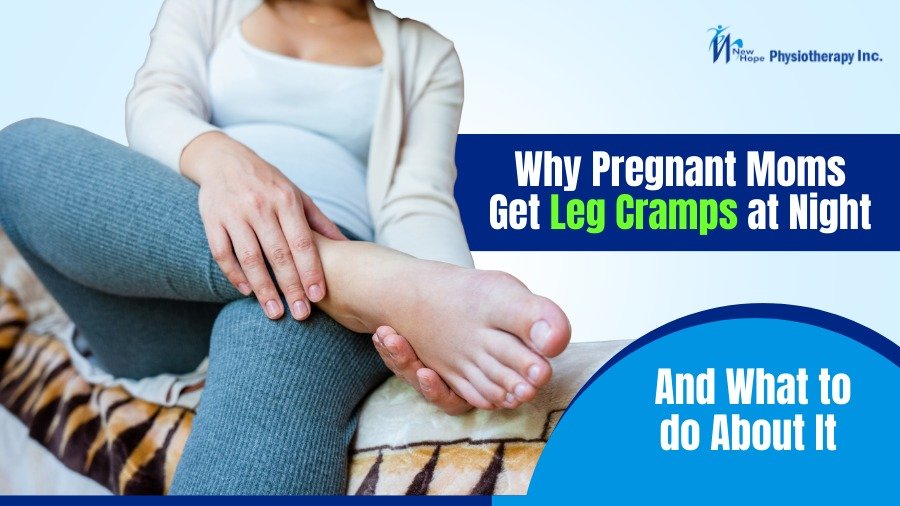
Why Pregnant Moms Get Leg Cramps at Night—And What to Do About It
 26 Aug 2025
- newhope
- 0 Comments
- 1953
Why Pregnant Moms Get Leg Cramps at Night—And What to Do About It
Pregnancy is a wonderful experience, which, however, is fraught with some inconvenient experiences. Sudden leg cramps often force expectant mothers to wake up in the middle of the night, making it one of their most frequent complaints. These short but painful cramps often affect the calf muscles and may leave soreness. Knowing their causes and remedies helps expectant mothers sleep better and stay comfortable.
Also Read: 10 Gentle Workouts to Help Lower Back Pain at Home
What Causes Leg Cramps during Pregnancy?
Also Read: What Should You Not Do After Cupping?
The rushing leg cramps during pregnancy do occur in most of the women especially second and third trimesters. Such muscle spasms typically strike during the day when the body is relaxed. Experts link pregnancy leg cramps to poor circulation, weight gain, and nerve pressure, while dehydration, fatigue, and low calcium or magnesium can make them worse.
Excessive night muslc cramps suddenly tighten the calf muscles, often making moms and dads jump out of bed to exercise their legs. Prolonged sitting or standing also causes these agonizing spasms by restricting blood flow to the lower limbs.
Also Read: 10 Safe Ways to Treat Neck Pain during Pregnancy
Cures to Relieve and Stop Cramps
Also Read: World Arthritis Day 2026: Common Arthritis Mistakes to Avoid
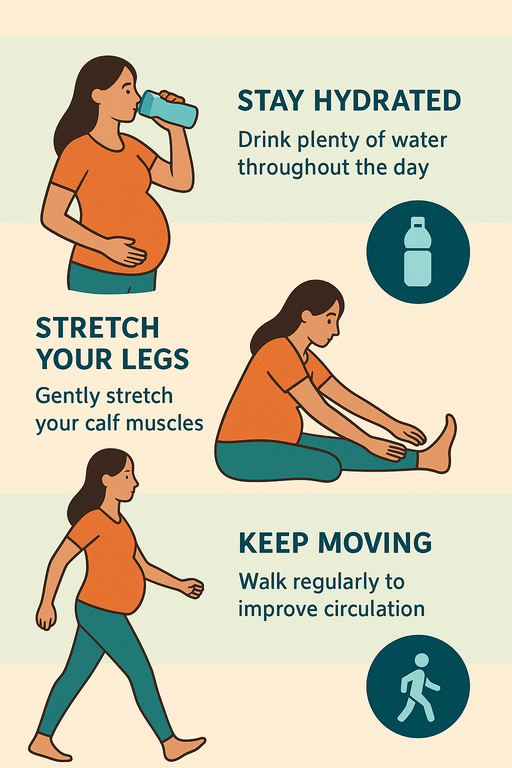
When a cramp leg in pregnancy appears, you would be tempted to tense your body, but extending is the most preferable action. A gentle flexing of the foot towards the shin could help in these muscles relaxation and hence provide immediate relief. To all moms who ask themselves how to stop leg cramps immediately, there are easy solutions such as massage on the affected part or walking around the room.
Also Read: Safe Yoga Poses for Lower Back Pain During Pregnancy
The best way to avoid having cramping legs when you are pregnant is drinking enough water and eating balanced food. There are ways to help:safe pregnancy exercises, calf stretches before bed, and enough rest. Other women even rest on their sides and place a pillow between their legs to enhance blood circulation.
Frequent, intense muscle cramps during pregnancy can be debilitating, so consulting a medical expert is essential, as they may stem from nutrient deficiencies.
Also Read: Cupping Therapy: How Often Should You Schedule Sessions for Optimal Results?
FAQs
1. Is it normal to have leg cramps during pregnancy?
They are very frequent, more so in the latter months. Calf muscle cramps during pregnancy occur in most expectants at night.
Also Read: 5 Conditions Causing Your Shoulder Pain
2. How can I get rid of a night leg cramp the fastest?
One way to stop muscle cramps fast is by simply stretching the calf, actively up-flexing the foot, a light massage, or simply walking around.
3. How do I know when to note that leg cramp is a problem?
Occasional cramps are normal, but severe, persistent and cramping legs in pregnancy accompanied by swelling is worth a doctor visit.
Also Read: 5 Common Types of Back Pain You Should Know
4. Do bananas help with leg cramps?
Yes, bananas may help because they contain potassium, which supports healthy muscle function. However, muscle spasms can also be caused by dehydration or low levels of magnesium and calcium. Eating a balanced diet and drinking enough water may help reduce cramps.
5. How can I avoid leg cramps?
You can lower your risk of leg cramps by staying hydrated, stretching your calf muscles every day, wearing supportive shoes, and avoiding sitting or standing in one position for too long. Regular exercise and good nutrition can also help.
6. How should I sleep to avoid leg cramps at night?
Try sleeping with your legs in a relaxed position and avoid pointing your toes downward. Gentle stretching before bed and staying hydrated may help prevent nighttime muscle spasms. Some people also find that keeping their feet supported with a pillow is helpful.
7. How can I make a leg cramp go away as soon as possible?
Stretch the affected muscle gently and massage the area. Walking a few steps or applying a warm towel or heating pad can also help relax the muscle. If the pain continues, rest until the cramp eases.
Also Read: Shoulder Pain Solutions: 7 Essential Exercises for Quick Relief
8. Does a leg cramp mean labor?
No. Leg cramps are common during pregnancy, especially in the second and third trimesters, and they do not usually mean labor has started. If you have regular contractions, leaking fluid, or severe pain, contact your healthcare provider right away.
9. What can be mistaken for leg cramps?
Conditions such as muscle strains, poor blood circulation, nerve problems, or restless legs syndrome can feel similar to muscle cramps. If your pain is severe, happens often, or does not improve, it is a good idea to see a healthcare professional for an evaluation.
10. How long do pregnancy leg cramps last?
Pregnancy leg cramps usually last from a few seconds to a few minutes. They often happen at night and may continue throughout the second and third trimesters. Most leg cramps improve after the baby is born.
Also Read: Frozen Shoulder vs. Rotator Cuff Tear: Key Differences and Symptoms
Prabhjot Kaur, Registered Physiotherapist
Prabhjot Kaur is a Registered Physiotherapist with over 10 years of clinical experience. She has been practicing since 2015 and holds a Master’s degree in Physiotherapy with a specialization in Neurology. She provides personalized care for people with neurological and musculoskeletal conditions. Her areas of focus include orthopedic and neurological rehabilitation, pain management, therapeutic exercises, balance and mobility training, and injury recovery. Prabhjot believes in a patient-centered approach and works closely with each individual to reduce pain, improve movement, restore function, and help them return to their daily activities with greater confidence and independence. She is registered with the College of Physiotherapists of Ontario.
Medical Disclaimer:
This information is for general education only and is not a substitute for medical advice. Every pregnancy is different. If leg cramps are severe, frequent, or accompanied by swelling, redness, or pain, speak with your doctor or healthcare provider.
Also Read: Top 5 Exercises for Strengthening Your Pelvic Floor
Leave a Comment