

Welcome to New Hope Physiotherapy
- Brampton 905-846-4000
- Malton 905-364-3900
- Orangeville 519-217-9300
- admin@newhopephysio.com
5 Conditions Causing Your Shoulder Pain
 1 Jul 2022
- newhope
- 0 Comments
- 5122
5 Conditions Causing Your Shoulder Pain
Shoulder pain is one of the most common body aches that people struggle within their day-to-day life. The joints of the shoulders are very much flexible and mobile, making them vulnerable to injuries.
And if you are struggling through pain in one or both shoulders, it is advisable not to ignore it and visit a doctor, especially if the pain is for no particular reason. However, the causes and treatment of shoulder pain vary with the location of pain and its severity.
Also Read : 5 Quick Home Remedies for Leg Cramp Relief and Prevention
Below Conditions Causing Shoulder Pain
Also Read: What Should You Not Do After Cupping?
1. Left Shoulder and Arm Pain
Pain in the left shoulder and arm is a normal part of day-to-day activities. But if there is left side pain without injury, it is a condition to be concerned about. Left side pain without injury can be a symptom of a heart attack.
Also Read: What Are the 7 Principles of Massage Therapy?
So one must be careful with the pain in the left shoulder and arm. Left side pain causes involve referred pain which can be a symptom of heart attack, injury to the bone or tissue in the arm, shoulder, elbow, or shoulder bursitis. Also, tendonitis in the shoulder or arm and rotator cuff tear is part of left shoulder pain causes.

2. Right Shoulder Pain
Also, some conditions can result in right side pain, and some of the common causes are rotator cuff, fractures, arthritis, and cervical radiculopathy. If the pain is moderate, one can use home remedies and stretches to ease right shoulder pain symptoms.
Also Read : 10 Gentle Workouts to Help Lower Back Pain at Home
However, if you see right shoulders pain symptoms like swelling, stiffness, bruising, tenderness, and difficulty carrying out your daily activities, such as dressing, bathing, and cooking, you must visit a doctor and get proper treatment.
3. Pain at the Top of the Shoulder
Also, some might feel top of pain resulting from the rotator cuff: tendonitis and bursitis. The top of pain might feel like a dull ache, sharp pain, or mild tenderness.
Also Read: Knee Pain After Sitting Too Long: Causes and Tips
4. Pain in Both Shoulders and Upper Arms
Sometimes, we experience pain in both the shoulders and wonder what causes ache in both shoulders and upper arms. Usually, inflammation of muscles tendons, the tension in your neck and shoulder muscles, chronic overuse injury, and trauma like an automobile accident or a sports injury.
In simple words, the answer to what causes ache in both shoulders and upper arms will be strain and tension in the muscles from poor posture, overuse, or trauma from an injury. However, ache in both shoulders and upper arms is preventable if one maintains posture and maintains a regular exercise regimen with proper techniques.
Also Read : 9 Easy Tricks to Relieve Lower Back Pain
5. Shoulder Pain Related to Poor Posture
The cause of left side pain in women is often seen as poor posture, which causes specific muscles to get too tight and others to get too stretched out and weaker, resulting in muscle imbalances.
Other causes of left side in women can be overuse or too much exercise with poor form and shoulder impingement. Fixing your posture to open up the chest can be a great start to treating this ache in women. However, if the pain still pertains, one must visit a doctor for the treatment.
Also Read: 5 Common Types of Back Pain You Should Know
Also Read: Symptoms that show signs of Sciatica
Shoulder Pain Exercises
Regular shoulder pain exercises and stretches will help in the shoulder pain treatment. The exercises involve pendulum stretch for range of motion, overhead shoulder stretch, chest expansion, stretching an arm across the chest, and neck releases.
Also Read : Cupping Therapy: How Often Should You Schedule Sessions for Optimal Results?
Stretches like Inward and outward rotation armpit and towel stretch, and cross-body reach is part of frozen shoulder treatment as in this condition; the movement of shoulders is limited. Sometimes the exercises are not enough for severe, as in the case of a frozen shoulder.
Thus, the frozen shoulder treatment also involves corticosteroids and numbing medications injected into the joint capsule. Also another kind of shoulder injury, rotator cuff injury, is a widespread shoulder injury that hinders the movement of the shoulders.
Usually, if not severe, the rotator cuff injury treatment involves Conservative treatments like rest, ice, and physical therapy.
Also Read : Top 10 Home Remedies for Reducing Neck Pain and Headaches
Shoulder Pain Treatments and Remedies
- Shoulder pain treatment includes reducing swelling and redness and strengthening the muscles. One should take anti-inflammatory medication that is none steroidal as it will help to relieve pain and reduce inflammation. Reducing inflammation is very important in the rotator cuff injury treatment.
- Cold compression on the swelling area helps numb the sharp pain. However, it is suggested not to apply ice directly on the skin but wrap it in a cloth and then apply it to the swollen area.
- Using a heated gel pack, heating pad, or hot water bottle can help soothe and relax a stiff shoulder, reducing muscle aches.
FAQS:
1. What are the most common causes of shoulder pain?
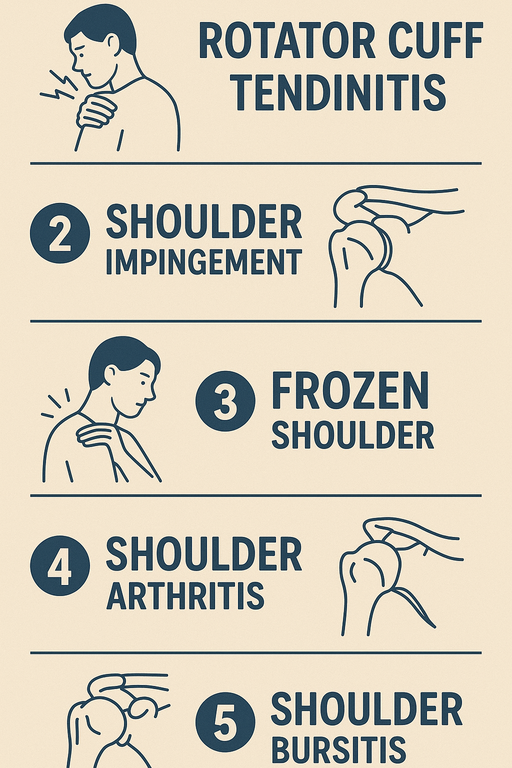
Several conditions often cause shoulder pain. The five most common ones are:
- Rotator cuff injuries
- Frozen shoulder (adhesive capsulitis)
- Shoulder impingement
- Arthritis
- Bursitis
Each of these can cause discomfort and limit your shoulder movement.
Also Read: Frozen Shoulder vs. Rotator Cuff Tear: Key Differences and Symptoms
2. How do I know if my shoulder pain is serious?
If your shoulder aches lasts for more than a few days, keeps getting worse, or causes weakness or numbness, it might be a sign of a more serious problem like a torn rotator cuff or severe arthritis. You should also seek medical help if you can’t move your arm or have intense pain after an injury.
3. Can shoulder pain be treated at home?
Mild shoulder pain caused by overuse or strain often improves with rest, ice, and gentle exercises. However, if your pain is severe, persistent, or accompanied by swelling or fever, it’s best to consult a doctor for proper diagnosis and treatment.
Also Read: World Physiotherapy Day 2026: Helping People Move Without Pain
4. What is the best sleeping position for rotator cuff pain?
The best sleeping position is on your back with a pillow supporting your arm. If you sleep on your side, avoid lying on the painful shoulder and place a pillow in front of you for support.
5. Should a 70-year-old have rotator cuff surgery?
It depends on the severity of the injury, pain level, and overall health. Many people over 70 benefit from physical therapy, while surgery may be recommended if pain and weakness are severe.
6. What can you never do again after shoulder surgery?
Most people can return to normal activities after recovery. However, some patients may need to avoid heavy lifting or repetitive overhead movements if advised by their surgeon.
7. How long do you have to wear a sling after shoulder surgery?
Most patients wear a sling for about 4 to 6 weeks after shoulder surgery. The exact time depends on the type of surgery and your doctor’s recommendations.
8. How long are you tired after shoulder surgery?
Feeling tired for a few days to several weeks after surgery is common. Rest, proper nutrition, and following your recovery plan can help improve energy levels over time.
Also Read: 10 Safe Ways to Treat Neck Pain during Pregnancy
9. What vitamins help with shoulder pain?
Several vitamins may support joint and muscle health. Vitamin D helps keep bones and muscles strong. Vitamin C supports collagen production, which is important for tendons and ligaments. Vitamin E has antioxidant properties that may help reduce inflammation. B vitamins also support healthy nerves. A balanced diet and advice from your healthcare provider are the best approach.
10. What is the fastest way to cure shoulder pain?
The fastest treatment depends on the cause of the pain. Rest, applying ice for the first 48 hours, gentle stretching, and avoiding activities that make the pain worse can help. Physiotherapy is often one of the most effective ways to reduce pain, improve movement, and speed up recovery. If the pain is severe or lasts more than a few days, see a healthcare professional.
11. Is massage good for shoulder pain?
Yes. Massage therapy can help relax tight muscles, improve blood circulation, reduce stiffness, and relieve shoulder pain. It works even better when combined with physiotherapy exercises and proper posture correction. However, if your shoulder pain is caused by a fracture or serious injury, consult a healthcare provider before getting a massage.
12. Which fruit is best for shoulder pain?
Fruits that are rich in antioxidants and vitamin C may help reduce inflammation. Good choices include:
- Oranges
- Berries (blueberries, strawberries)
- Cherries
- Pineapple
- Kiwi
These fruits support healthy joints and may help with recovery when included in a balanced diet.
13. What foods lubricate your joints?
No food directly lubricates your joints, but certain foods help keep your joints healthy. These include:
- Fatty fish like salmon
- Nuts and seeds
- Olive oil
- Leafy green vegetables
- Avocados
- Bone broth
- Plenty of water
These foods support cartilage health and help reduce inflammation.
14. How can I increase my joint lubrication naturally?
You can support healthy joint lubrication by:
- Drinking enough water every day.
- Staying physically active with gentle exercises.
- Eating foods rich in omega-3 fatty acids.
- Maintaining a healthy body weight.
- Stretching regularly to keep joints flexible.
- Following a balanced diet with plenty of fruits and vegetables.
If you have ongoing shoulder pain or stiffness, a physiotherapist can identify the cause and create a personalized treatment plan to help you recover safely.
If you’re experiencing ongoing shoulder pain, New Hope Physiotherapy provides personalized shoulder pain assessment and physiotherapy in Brampton. Call 905-846-4000 to book an appointment.
Also Read: World Arthritis Day 2026: Common Arthritis Mistakes to Avoid
Medical Disclaimer
This content is for general information only and is not a substitute for professional medical advice, diagnosis, or treatment. Shoulder pain can have different causes, so consult a qualified healthcare professional for proper assessment and treatment. If your shoulder pain is severe, sudden, or accompanied by chest pain or difficulty breathing, seek urgent medical care.
Gurpreet Kaur Kandhole, Physiotherapist
Gurpreet Kaur Kandhole is an experienced and caring physiotherapist with a Master’s degree in Musculoskeletal Conditions. She has been practicing physiotherapy since 2010 and has been a registered physiotherapist in Ontario since 2018.
Gurpreet helps patients manage both short-term and long-term pain using evidence-based treatment. Her areas of care include manual therapy, acupuncture, personalized exercise programs, sports injuries, neurological conditions, musculoskeletal conditions, and care for older adults.
She believes every patient is different and creates treatment plans based on their individual needs and goals. Her goal is to help patients reduce pain, improve movement, regain strength, and return to their daily activities with confidence.
Gurpreet is committed to continuing her education and keeping up with the latest developments in physiotherapy. She takes a patient-centered approach and focuses on providing safe, effective, and compassionate care.
Also Read: Top 5 Exercises for Strengthening Your Pelvic Floor


Leave a Comment