
Welcome to New Hope Physiotherapy
- Brampton 905-846-4000
- Malton 905-364-3900
- Orangeville 519-217-9300
- admin@newhopephysio.com
What is Laser Therapy?
 21 Jun 2022
- admin
- 0 Comments
- 1666
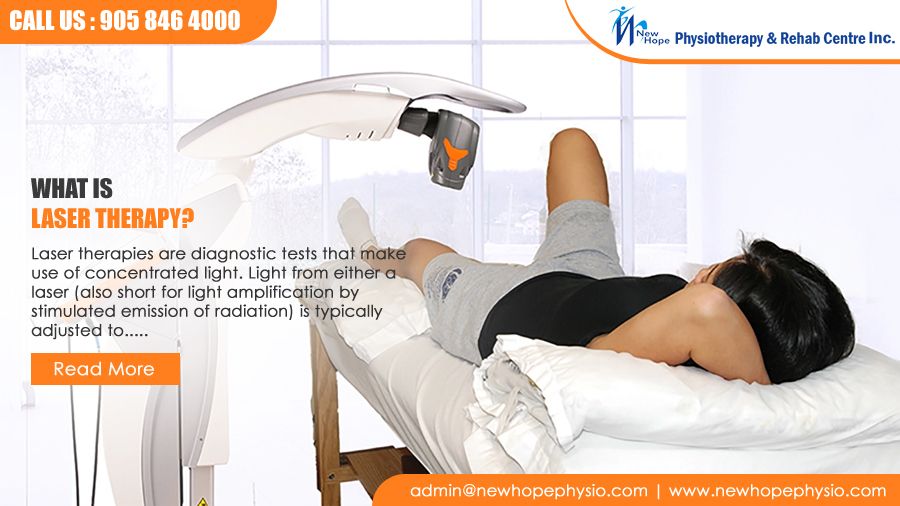
What is Laser Therapy?
Laser therapies are diagnostic tests that make use of concentrated light. Light from either a laser (also short for light amplification by stimulated emission of radiation) typically adjusted to specific wavelengths, unlike light from most other sources. It can then be targeted into powerful beams as a result. The laser beam is so powerful that it will be used to cut steel or shape diamonds.
Lasers in medicine allow operators to work with extreme accuracy by focusing area and causing minor damage to the surrounding tissue. Laser therapy may result in less pain, edoema, and scars than standard surgery. It is on the other hand, can be costly and requires multiple treatments. Many laser therapy clinics in Brampton will provide good laser therapy to you.
Also Read : Is Low-Level Laser Therapy Right For You?
What is the procedure for undergoing laser therapy?
Depending on the operation, several laser therapy techniques used by laser therapists. An instrument (a thin, illuminated, flexible tube) will used to steer the laser and observe structures inside the body if a tumour being treated.
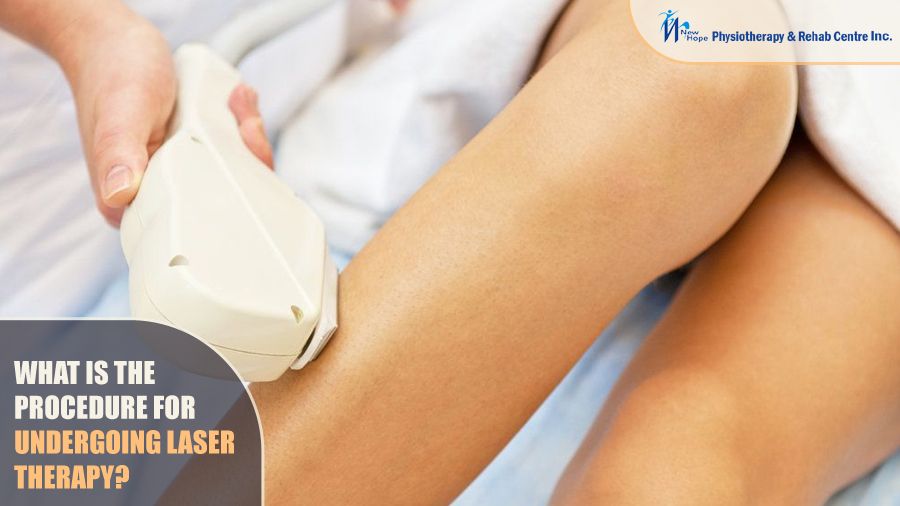
The endoscope put into the body through a hole, such as a mouth. The laser therapist next targets the laser towards the tumour, shrinking or destroying it. Lasers generally used directly to the affected area during cosmetic operations.
Also Read : How Does Laser Therapy Work For Pain?
What distinguishes the various kinds?
- Eye surgery to correct refractive errors (often called LASIK)
- Whitening teeth
- Scar, tattooed, or wrinkle removal are all cosmetic procedures.
- Removing a cataract or a tumour
Laser therapy’s advantages
Doctors may advise surgery in some cases of severe chronic pain. When non-invasive therapies, such as laser therapy, available, most health experts agree that they always preferred.
Taking medications such as NSAIDs or acetaminophen can cause several problems, each with its side effects. Opioids are efficient pain relievers but have a high risk of addiction.
A more effective pain management strategy required; that is where laser therapy steps in.
Also Read : When Is World Physical Therapy Day Observed?
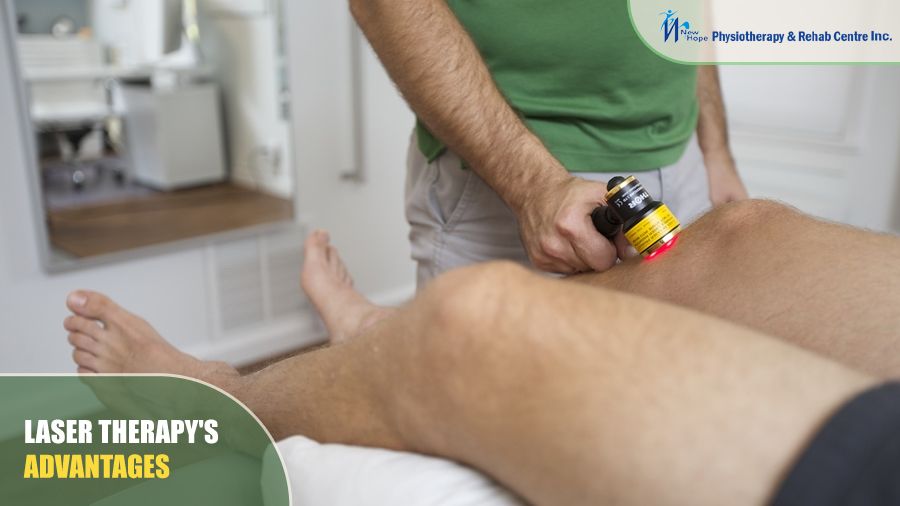
It is a cost-efficient alternative to other non-surgical techniques and delivers highly effective pain relief.
It’s reduces inflammation, enhances blood flow, and expedites tissue repair while also being safe for health, requiring no downtime, and providing long-term comfort to any patient.
Back pain, arthritis, muscular strains, bursitis, tendons, nerve compression, neck and shoulder discomfort, knee pain, and even tennis elbow can all be treated with photobiomodulation therapy. In brief, laser treatment can effectively cure practically any chronic pain.
What is the laser therapy price range?
The price of a soft tissue laser determined by the severity and nature of your problem. We offer attractive deals if you acquire 6, 12, or 20 laser treatments. The cumulative effects will adjust the packages to your illness and severity.
How does laser therapy make you feel?
Most people feel little to nothing during the treatment, while others may sense a minor tingling or warmth. Our laser will produce a small amount of heat that will felt. As a result, the patient feels warm when the laser touches the patient’s skin.
Also Read : 36 Questions Should I Ask A Physiotherapist?
What is the average length of treatment?
Treatments might last anything from 5 minutes to 15 minutes. Since some patients may see instant effects after just one or two procedures, others may need multiple treatments before seeing any results.
Conclusion
The patient or the medical teams are not at risk from the laser light beam. Pain, bleeding, and discolouration all concerns associated with laser treatment, just as with open surgery. However, surgery recovery frequently faster than open surgical recovery, and laser treatment in Brampton considered the best.
Lasers can utilized for a variety of medical applications. Because the laser beam is so narrow and accurate, health care personnel can treat tissue safely without causing harm to the surrounding area.
Also Read: 10 Gentle Workouts to Help Lower Back Pain at Home
FAQs:
1. What is laser therapy?
Laser therapy is a non-invasive treatment that uses focused light energy to help reduce pain, decrease inflammation, and support the body’s natural healing process. It is commonly used for muscle, joint, and soft tissue injuries.
2. How does laser therapy work?
Laser therapy sends light energy into the injured area. This energy helps improve blood flow, reduces swelling, and encourages cells to repair damaged tissue faster.
3. What conditions can laser therapy treat?
Laser treatment may help with:
- Back pain
- Neck pain
- Shoulder pain
- Knee pain
- Arthritis
- Sports injuries
- Tendonitis
- Muscle strains
- Plantar fasciitis
4. Is laser therapy painful?
No. photobiomodulation therapy is usually painless. Most people feel a gentle warmth or nothing at all during the treatment.
5. How long does a laser therapy session take?
A typical session lasts between 5 and 20 minutes, depending on the area being treated and the condition.
Also Read: What Should You Not Do After Cupping?
6. How many laser treatment sessions will I need?
The number of sessions depends on your condition. Some people feel better after a few treatments, while long-term or chronic problems may require several sessions.
7. Is laser therapy safe?
Yes. Laser therapy is considered safe when performed by a trained healthcare professional. It is a drug-free and non-surgical treatment.
8. Are there any side effects?
Most people do not experience side effects. Some patients may notice mild redness or temporary soreness, but this usually goes away quickly.
9. Can laser therapy be combined with other treatments?
Yes. Physiotherapists often combine laser therapy with physiotherapy, chiropractic care, massage therapy, or exercise programs to improve recovery and reduce pain.
10. Who should avoid laser therapy?
Laser therapy may not be suitable for everyone. It is generally avoided over cancerous areas, directly over the eyes, and in certain situations during pregnancy. Your healthcare provider will determine if it is right for you.
Also Read: Frozen Shoulder vs. Rotator Cuff Tear: Key Differences and Symptoms
Medical Disclaimer:
Laser Treatment may not be suitable for everyone. Results can vary based on your condition and overall health. Always consult a qualified healthcare professional before starting any treatment.
Leave a Comment