

Welcome to New Hope Physiotherapy
- Brampton 905-846-4000
- Malton 905-364-3900
- Orangeville 519-217-9300
- admin@newhopephysio.com
11 Sciatica Stretches for Quick Pain Relief
 19 Apr 2025
- newhope
- 0 Comments
- 3846
11 Sciatica Stretches for Quick Pain Relief
Patient experiences with sciatica typically bring problems because the discomfort blocks movement and reduces overall quality of life. You are one of many people who have encountered the intense and electric pain that spreads from the lower back and hips into the legs. Basic effective stretches exist as simple remedies to reduce tension while creating a comfortable state. The following list includes eleven helpful stretches which provide immediate relief and strengthen your sciatica pain treatment process.
Also Read: Shoulder Pain Solutions: 7 Essential Exercises for Quick Relief
11 Sciatica Stretches for Quick Pain Relief
1. Seated Spinal Twist
The stretch area works to release tension from the sciatic nerve while focusing on both the lower back and the spine. Position yourself on the floor with legs fully stretched while keeping your back against the wall. Bring your right knee across your left leg while bending your right knee. Put your right hand behind your body while resting the left elbow on the outside of your right knee. Slowly rotate your body to the right with a duration of 30 seconds.

2. Knee-to-Chest Stretch
Rest your back against the floor then carefully move your knee toward your torso. The lower back muscles that produce sciatica pain can be relaxed through this stretching technique.
3. Reclining Pigeon Pose
The modified yoga position performs by opening the hips area. Position yourself on your back then put your right ankle over your left knee while carefully drawing your left thigh in the direction of your chest. Repeat on both sides.
4. Cat-Cow Stretch
While in a quadruped position alter your movements between extending your spine in a Cow posture and folding it into a Cat position. This dynamic stretching motion enables spinal movement to decrease sciatic pain that arises from stiffness.
Also Read: What are the 7 Core Principles of Physiotherapy?
5. Child’s Pose
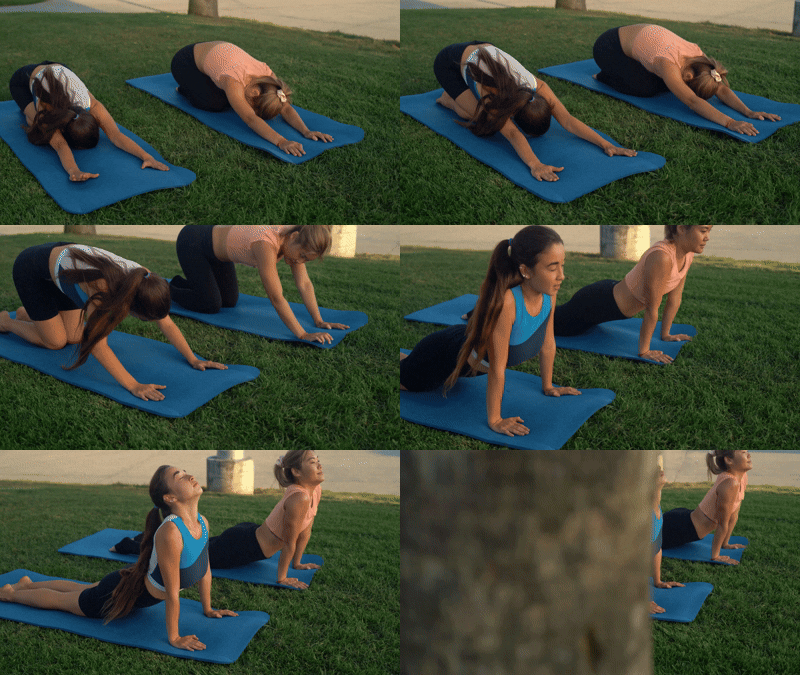
The gentle stretch of hip and lower back areas makes Child’s Pose both therapeutic and relaxing for the body. Lower your chest to the floor by stretching your arms in front while sitting with your back on your heels and kneeling on the floor.
Also Read: Unravelling the Mystery: Dry Needling vs. Acupuncture
6. Cobra Stretch

Position your body with your face down and your hands should support your shoulders. Perform a gentle push through your hands to lift your chest from the floor position while maintaining your hips fixed on the flooring. Performing a backbend stretch might effectively ease your sciatica pain symptoms.
Also Read: 5 Quick Home Remedies for Leg Cramp Relief and Prevention
7. Standing Hamstring Stretch
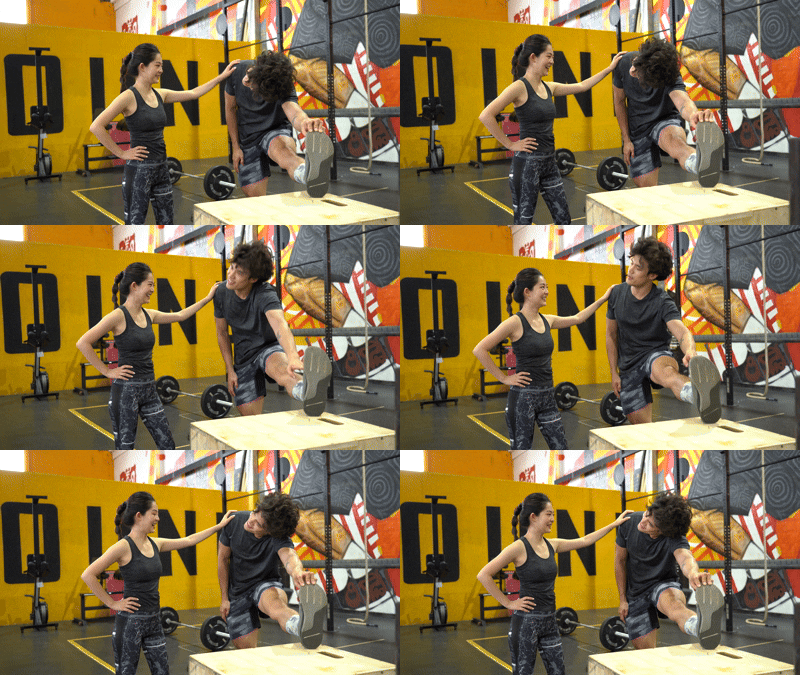
You should stand with full height while placing one of your feet on a raised object. Your back needs to be straight while your body makes a gentle leaning position forward. Stretching the hamstrings serves as a method to ease sciatic nerve pressure which leads to decreased symptoms for sciatica pain conditions.
Also Read: 5 Common Types of Back Pain You Should Know
8. Pelvic Tilt
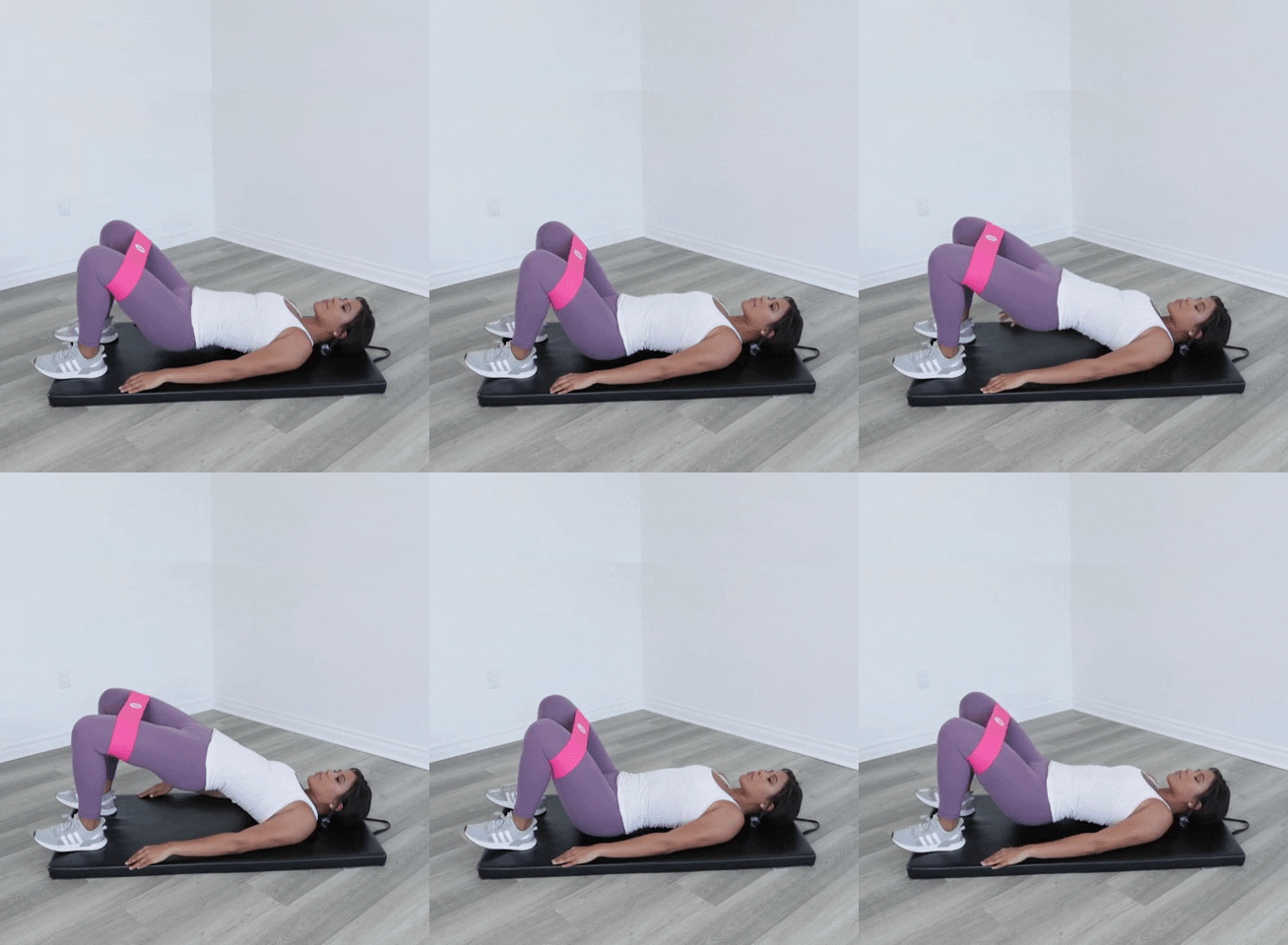
Let your back rest on the floor as you bend your knees before pushing your lower back down against the ground for several seconds. Performing this exercise develops core strength because it assists sciatica pain treatment methods.
Also Read: 10 Gentle Workouts to Help Lower Back Pain at Home
9. Wall Hamstring Stretch
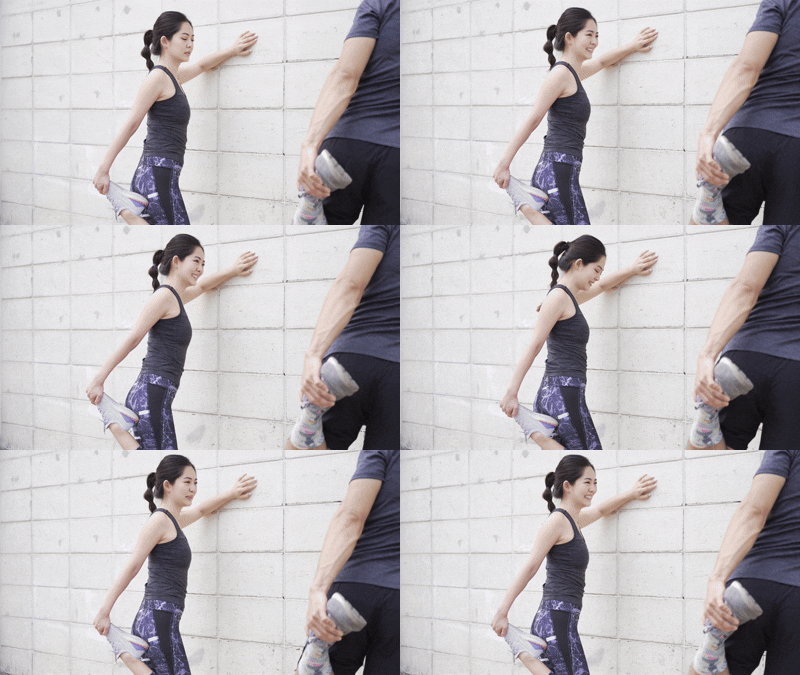
Prop your back against a wall before you extend a leg towards it while keeping your other foot still resting on the floor. The passive stretching process offers tender sciatic pain treatment that works effectively.
Also Read: Sciatica vs Hamstring Pain: What You Need to Know
10. Figure Four Stretch
Place yourself on the ground while resting your ankle across the opposing knee. You should pull the limb which does not cross your body toward your chest. The stretch assists in opening up your hips while lowering nerve compression.
11. Low Lunge Stretch
Sit in a kneeling position and extend your leg throughout a lunge movement. Let your back leg remain fully extended then lower your hips ahead of you. Extending the hip flexor muscles becomes possible when performing this exercise because tight hip flexors contribute to sciatica pain.
Also Read: What Are the 7 Principles of Massage Therapy?

FAQS:
Q1. Can stretching really help with sciatica pain?
Yes, gentle stretches can relax tight muscles, improve flexibility, and reduce pressure on the sciatic nerve, which may help ease pain and discomfort.
Also Read: 10 Safe Ways to Treat Neck Pain during Pregnancy
Q2. How often should I do sciatica stretches?
You can try these stretches once or twice a day. Always listen to your body—if any stretch causes sharp pain, stop and rest. Slow and regular practice gives the best results.
Q3. Are these stretches safe for everyone with sciatica?
Most people can benefit, but if you have severe pain, recent injury, or other health conditions, it’s better to consult a doctor or physiotherapist before starting.
Also Read: Cupping Therapy: How Often Should You Schedule Sessions for Optimal Results?
Q4. What is the quickest pain relief for sciatica?
Quick relief for sciatica may include gentle stretching, using ice or heat packs, and avoiding long periods of sitting. Over-the-counter pain medicine may also help. If the pain is severe or lasts for a long time, it is best to see a healthcare professional.
Q5. What shoes should I wear with sciatica?
Supportive and comfortable shoes with good cushioning are usually best for people with sciatica. Walking shoes or shoes with proper arch support can help reduce pressure on the lower back and legs.
Q6. What not to wear when having sciatica pain?
Avoid wearing high heels, tight shoes, or footwear with poor support. These can affect your posture and may increase pressure on the sciatic nerve, making your symptoms worse.
Q7. How long is too long to have sciatica?
Sciatica usually improves within a few weeks. If the pain lasts longer than 6 to 8 weeks or gets worse, you should see a healthcare professional for an evaluation.
Also Read: What Should You Not Do After Cupping?
Q8. How to get strength back in legs after sciatica?
Gentle exercises, stretching, and physiotherapy can help rebuild leg strength. A treatment plan designed for your condition can support a safe recovery.
Q9. Can sitting too long make sciatica worse?
Yes. Sitting for long periods can put pressure on the sciatic nerve and increase pain. Taking regular breaks and maintaining good posture may help.
Q10. Can a chiropractor make sciatica worse?
In some cases, symptoms may temporarily increase after treatment. It is important to receive care from a qualified professional and discuss any concerns if pain becomes worse.
Conclusion
In order to determine proper exercise methods for sciatica pain relief you should seek guidance from a physiotherapist. The clinics providing sciatica treatment in Brampton along with those offering sciatica treatment in Mississauga devise specific plans to help patients heal while stopping further occurrences. Starting your sciatica pain relief with these stretches is beneficial but consulting a professional will help you find the proper methods to address your individual condition in a safe manner.
Also Read: Lower Back Pain vs. Sciatica: What’s the Difference and How to Treat It?
People who attempt home sciatica pain relief through daily stretching either independently or as part of their wellness routine will observe meaningful improvements. Suitable sciatica recovery takes consistent approaches by mixing rest and movements in your treatment to reach your healing goals.
Also Read: 5 Conditions Causing Your Shoulder Pain


Leave a Comment