

Welcome to New Hope Physiotherapy
- Brampton 905-846-4000
- Malton 905-364-3900
- Orangeville 519-217-9300
- admin@newhopephysio.com
Arthritis vs. Osteoarthritis: Key Differences and Treatment Approaches
 19 Feb 2025
- newhope
- 0 Comments
- 1537
Arthritis vs. Osteoarthritis: Key Differences and Treatment Approaches
Joint problems known as arthritis create multiple disorders resulting in swelling along with pain and immobility of joints. Osteoarthritis stands as the most prevalent type among arthritis forms while it usually affects older citizens. Both arthritis conditions have overlapping characteristics yet present separate origins and display different indications and therapeutic approaches.
Also Read: World Arthritis Day 2025: Raising Awareness About Joint Pain
Understanding Arthritis and Osteoarthritis
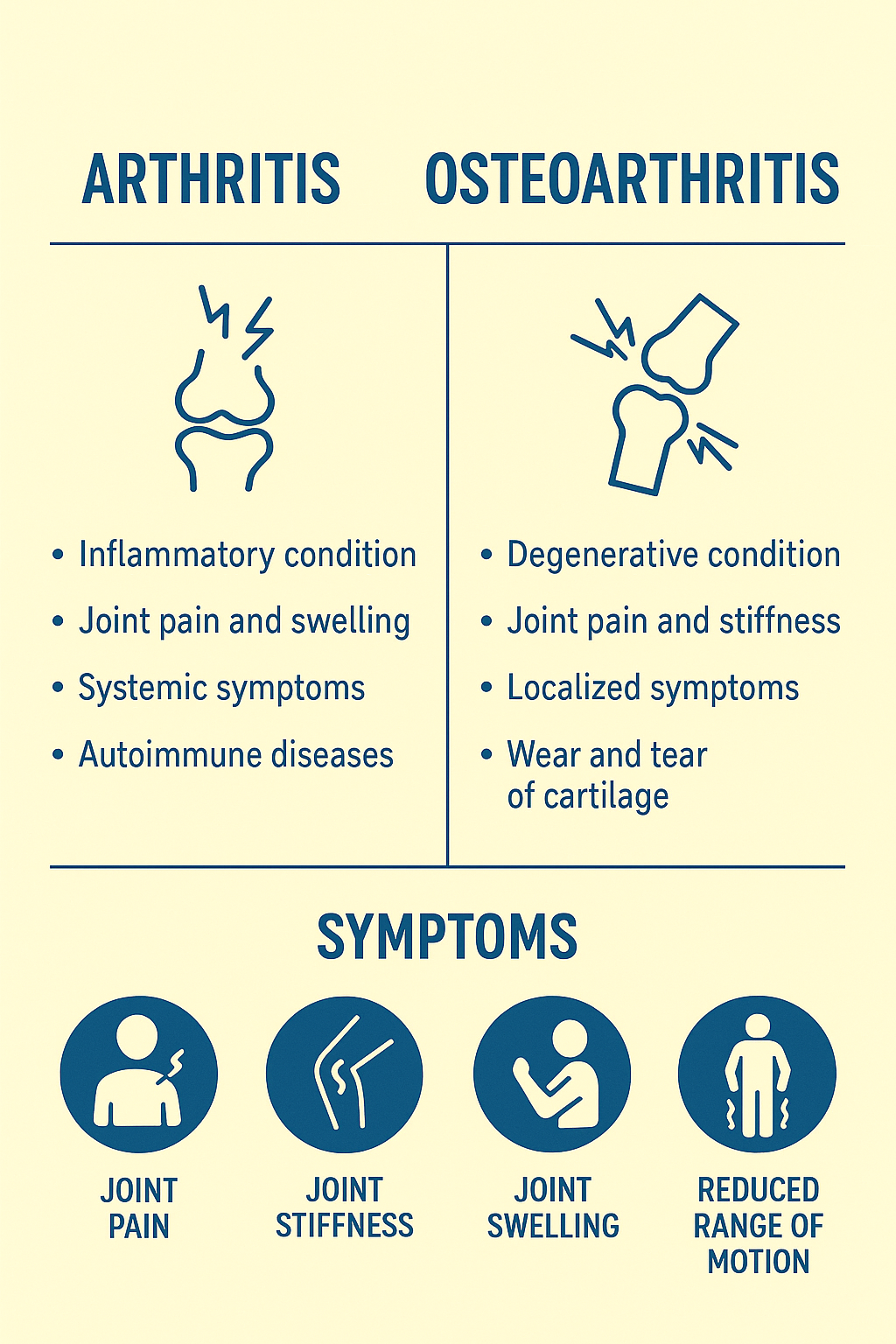
Arthritis includes more than 100 distinct types of joint illnesses which affect people regardless of their age group. Arthritis exists as a result of autoimmune diseases or infections together with metabolic conditions and joint deterioration due to normal wear. Both swelling and joint stiffness together with persistent pain develop as common symptoms that can grow progressively worse.
The degenerative joint disease osteoarthritis emerges when cartilage gradually damages until it breaks down. The condition creates discomfort together with limited movement and rigidness inside body joints especially near the weight-bearing areas such as the knee area and hips along with the spinal region. People with osteoarthritis in Ontario regularly consult healthcare professionals to receive medical guidance for their arthritis treatment while wishing to stay active.
Also Read: Cupping Therapy: How Often Should You Schedule Sessions for Optimal Results?
The Major Differences Exist Between Osteoarthritis and Arthritis
- The main cause of osteoarthritis stems from mechanical deterioration while arthritis emerges as a combination of inflammatory or autoimmune or infectious conditions.
- General arthritis symptoms include swelling together with redness whereas osteoarthritis presents with bone spurs and cartilage reduction.
- Arthritis symptoms either emerge quickly during abrupt onset or develop steadily as per the selected type yet osteoarthritis changes at a slow pace through time.
Treatment Approaches
People who need arthritis treatment in Canada have multiple paths to control their pain and promote better joint operation. Overall treatment selection depends on both the extent of patient illness as well as personal health elements.
- Doctors prescribe three types of medication as treatment options for arthritis pain relief which include pain relievers alongside anti-inflammatory drugs and disease-modifying agents.
- Physiotherapy delivers essential treatment of osteoarthritis by developing joint mobility while reinforcing muscles to lower stiffness levels.
- Healthy lifestyle actions involving weight control and physical exercise combined with proper dietary choices can reduce the progression of joint damage.
- Some cases require joint injections or regenerative therapy and sometimes surgery becomes the recommended option. To obtain osteoarthritis treatment in Brampton patients can seek care from clinics that offer specific personalized medical attention.
Seeking Professional Help
Those who feel pain in their joints should consult an arthritis clinic in Brampton to receive both an accurate diagnosis and individualized treatment advice. Specialized centers equip patients with multiple healthcare services regarding osteoarthritis to achieve comfort and regain mobility.
Also Read: 5 Common Types of Back Pain You Should Know
Arthritis knowledge growth helps people detect initial warning signs thus enabling them to get proper medical attention right away. Getting help from healthcare providers who offer arthritis diagnosis and treatment recommendations becomes important for people looking for arthritis treatment in their location.
FAQs:
Q1. What is the difference between arthritis and osteoarthritis?
Arthritis is a general term for joint inflammation. Osteoarthritis is the most common type of arthritis, caused by wear and tear of joint cartilage over time.
Q2. What symptoms can patients experience with osteoarthritis?
Common symptoms include joint pain, stiffness (especially in the morning), swelling, and reduced flexibility. Symptoms may gradually worsen with age or overuse.
Q3. How is osteoarthritis treated?
Treatment focuses on reducing pain and improving mobility. Options include physiotherapy, exercise, weight management, pain relief medications, and in severe cases, joint injections or surgery.
Also Read: 10 Gentle Workouts to Help Lower Back Pain at Home
Q4. Is osteoarthritis the most common type of arthritis?
Yes. Osteoarthritis is one of the most common types of arthritis, especially in older adults. It commonly affects the knees, hips, hands, and spine.
Q5. What are the common symptoms of osteoarthritis?
Common symptoms include joint pain, stiffness, swelling, reduced movement, and pain that may become worse with activity.
Q6. Can arthritis affect people of all ages?
Yes. Different types of arthritis can affect people at different ages. Some forms can occur in younger adults, while osteoarthritis becomes more common with age.
Q7. What causes osteoarthritis?
Osteoarthritis can develop due to age-related joint changes, previous injuries, repeated stress on a joint, excess body weight, or other factors.
Q8. Can physiotherapy help with osteoarthritis?
Yes. Physiotherapy may help improve joint movement, muscle strength, flexibility, balance, and daily function. A physiotherapist can create an exercise plan based on your needs.
Q9. What treatments are available for arthritis?
Treatment depends on the type and severity of arthritis. It may include exercise, physiotherapy, lifestyle changes, medication, pain management, and other treatments recommended by a healthcare professional.
Also Read: What Should You Not Do After Cupping?
Q10. Can exercise make arthritis worse?
The right exercises usually help improve strength and movement. However, exercises should be adjusted to your condition and pain level. A physiotherapist can guide you safely.
Q11. Can osteoarthritis be cured?
There is currently no cure that completely reverses osteoarthritis. However, proper treatment and lifestyle changes can help manage symptoms and improve movement and quality of life.
Q12. When should I see a physiotherapist for arthritis?
Consider seeing a physiotherapist if joint pain, stiffness, or reduced movement is affecting your daily activities. Early guidance may help you stay active and manage symptoms.
Medical Disclaimer:
This information is for general education only and is not a substitute for medical advice. Arthritis and osteoarthritis can affect people differently. Please consult a qualified healthcare professional for proper diagnosis and treatment.
Also Read: Shoulder Pain Solutions: 7 Essential Exercises for Quick Relief

Leave a Comment