

Welcome to New Hope Physiotherapy
- Brampton 905-846-4000
- Malton 905-364-3900
- Orangeville 519-217-9300
- admin@newhopephysio.com
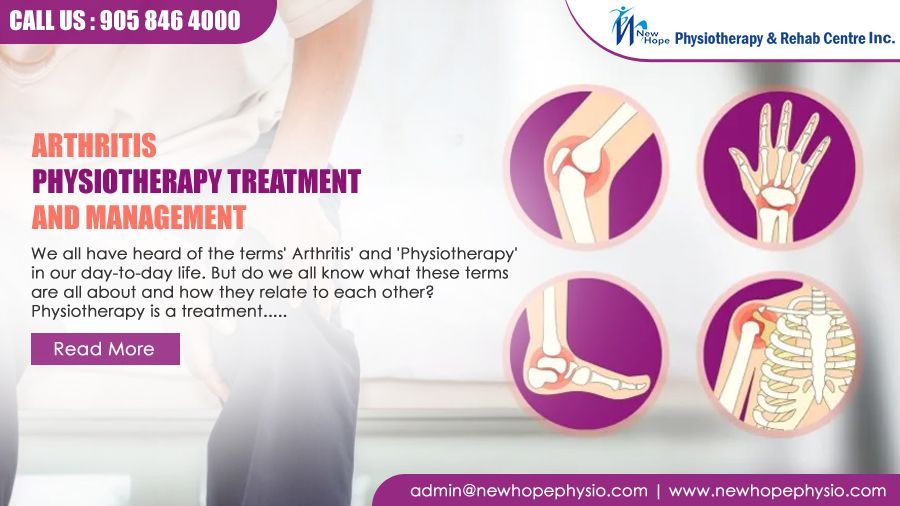
Arthritis : Physiotherapy Treatment and Management
 4 Jul 2022
Arthritis : Physiotherapy Treatment and Management
The Short Version
Arthritis means pain and inflammation in your joints. It leads to stiffness and makes movement harder.
Physiotherapy is treatment that restores movement, eases pain, and helps prevent further injury.
The two go together. Physiotherapy is one of the main non-surgical treatments for arthritis — and one of the best-supported.
Also Read: Rheumatoid Arthritis vs. Osteoarthritis: Key Differences Explained
Why Movement Helps
It seems backwards. Sore joints, so move more?
But rest makes stiff joints stiffer. Strong muscles support the joint and take load off it. Staying active generally keeps arthritis pain lower over time.
A physiotherapy program for arthritis usually includes:
- Strengthening — builds muscle around the joint
- Stretching — keeps range of motion
- Balance and stability work — reduces falls
- Endurance work — walking, cycling, treadmill
- Posture training — takes strain off the joint
Your therapist will also encourage you to keep moving day to day. That matters as much as the exercises.
Rheumatoid Arthritis
Rheumatoid arthritis is a long-term condition. It’s driven by inflammation and, without treatment, can damage joints permanently.
Physiotherapy won’t cure it. But it can help you keep function and manage pain.
A program may include:
- Range of motion work
- Strength building
- Balance and coordination
- Fall prevention
- Heat and cold therapy
- Electrical stimulation
- Hydrotherapy (exercise in water)
One caution: during a flare-up, when joints are acutely inflamed, some exercises need to be paused or scaled back. Your physiotherapist will adjust. This is why a supervised program beats doing it alone.
Rheumatoid arthritis needs medical management alongside physiotherapy. Speak to your doctor or rheumatologist.
Also Read: World Arthritis Day (WAD) 2023 : Activities, Theme, Quotes
Knee Osteoarthritis
Knee arthritis wears down the cartilage and bone in the joint. It’s one of the most common joint problems there is.
Severity varies a lot from person to person, so treatment does too.
Physiotherapy for knee arthritis combines supervised sessions with exercises at home. It aims to:
- Reduce pain and swelling
- Improve flexibility
- Build strength
- Improve balance and endurance
Typical program: rest when needed, stretching, strengthening, and walking.
Hip Osteoarthritis
Hip arthritis happens when the hip joint wears down and the bones start rubbing.
Physiotherapy improves mobility and flexibility through targeted exercises, stretches, and hands-on treatment.
A hip program often includes:
- Stretching — standing hip flexor stretch, for example
- Strengthening the glutes (buttocks and outer thighs)
- Aerobic work like cycling
- Heat and cold therapy
- Electrical stimulation
- Manual therapy
The Takeaway
Physiotherapy for arthritis does two things.
It treats — less pain, better movement, more strength.
And it teaches. You learn what your condition is, what makes it worse, and what you can do about it. That knowledge lasts.
If you have arthritis or you’re noticing joint pain and stiffness, book an assessment with a physiotherapy clinic near you. The earlier you start, the more you protect.
FAQs:
1. What is arthritis?
Arthritis is a condition that causes pain, swelling, and stiffness in the joints. It can affect people of all ages, but it is more common as people get older.
2. Can physiotherapy help with arthritis?
Yes. Physiotherapy can help reduce pain, improve joint movement, increase strength, and make everyday activities easier. A physiotherapist creates a treatment plan based on your needs.
3. What treatments do physiotherapists use for arthritis?
A physiotherapist may use:
- Gentle exercises
- Stretching
- Manual therapy
- Heat or cold therapy
- Strength training
- Balance exercises
- Posture and movement education
4. Which types of arthritis can physiotherapy treat?
Physiotherapy can help people with:
- Osteoarthritis
- Rheumatoid arthritis
- Psoriatic arthritis
- Ankylosing spondylitis
- Other joint conditions
5. Can exercise make arthritis worse?
No. The right exercises can help reduce pain and improve joint function. Your physiotherapist will recommend safe exercises based on your condition.
Also Read: What Should You Not Do After Cupping?
6. How often should I have physiotherapy for arthritis?
The number of sessions depends on your symptoms and goals. Many people benefit from weekly sessions at first, along with a home exercise program.
7. Can physiotherapy reduce arthritis pain without surgery?
Yes. Physiotherapy is often one of the first treatments recommended. It can help manage pain, improve movement, and delay or reduce the need for surgery in some cases.
8. How long does it take to see results?
Some people feel better after a few sessions, while others may need several weeks. Regular treatment and following your home exercises can improve results.
9. What can I do at home to manage arthritis?
You can:
- Stay active with gentle exercise
- Stretch regularly
- Maintain a healthy weight
- Use hot or cold packs
- Follow your physiotherapist’s advice
- Avoid staying in one position for too long
10. When should I see a physiotherapist for arthritis?
You should see a physiotherapist if you have ongoing joint pain, stiffness, swelling, or difficulty moving. Early treatment can help you stay active and improve your quality of life.
Also Read: 10 Gentle Workouts to Help Lower Back Pain at Home
Medical Disclaimer:
This information is for general education only and is not a substitute for professional medical advice, diagnosis, or treatment. Arthritis symptoms and treatment needs can vary from person to person. Always consult a qualified healthcare professional or physiotherapist for advice suited to your condition.
Gauravdeep Randhawa, Physiotherapist
Gauravdeep Randhawa is a caring and experienced physiotherapist with over 17 years of experience helping patients recover and improve their quality of life.
She started her own practice in Canada in 2009 and has treated many patients with muscle, joint, sports, neurological, and pelvic health conditions. She has also owned and operated multidisciplinary clinics.
Gauravdeep is a Certified Manual Therapist and has completed training in Contemporary Medical Acupuncture and Pelvic Floor Therapy. She uses hands-on treatment, personalized exercise programs, and evidence-based care to support each patient’s recovery.
Her goal is to help people reduce pain, restore movement, improve function, and achieve long-term wellness in a comfortable and supportive environment.
Also Read: Top 5 Exercises for Strengthening Your Pelvic Floor
Leave a Comment