
Welcome to New Hope Physiotherapy
- Brampton 905-846-4000
- Malton 905-364-3900
- Orangeville 519-217-9300
- admin@newhopephysio.com
Knee Pain in Kids: What Parents Should Know
 9 Aug 2025
- newhope
- 0 Comments
- 4105
Knee Pain in Kids: What Parents Should Know
Knee pain is worrying when children complain of it. Although adults tend to think of the knee pain as an element of aging or injury, pain among knees in children can have multiple underlying causes, and a significant part of them is not permanent. Nonetheless, it is important to know the probable causes along with the adequate reaction to be sure of the safety of your child and avoid complications in the long-term perspective.
Also Read: How Physiotherapists Shape Child Development?
Common Reasons Behind Knee Pain in Children
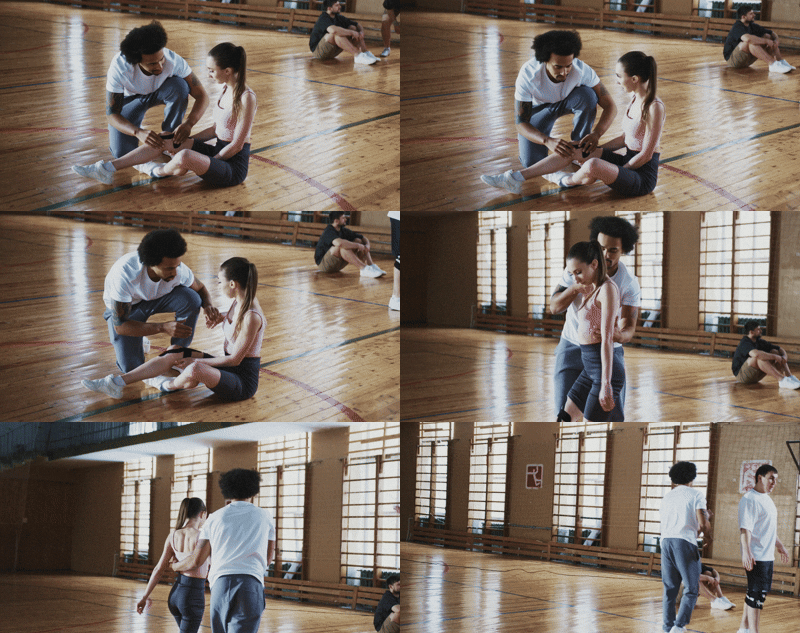
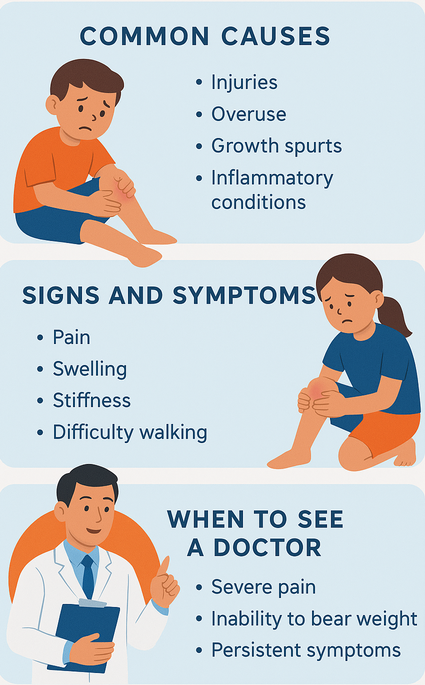
In most cases, knee joint pain in children is linked to growth spurts, overuse during physical activity, or minor injuries. Common causes include Osgood-Schlatter disease, often seen in athletic teens, and patellofemoral pain syndrome (runner’s knee). These conditions cause knee pain but are not usually serious. They often improve with standard treatment.
Sometimes, knee pain or strain can be caused by problems with the hips or feet. Tight muscles, wearing the wrong shoes, or flat feet can also put extra stress on the knees and cause discomfort. Younger people can experience knee aggrievance due to juvenile arthritis or infection, therefore, persistent ache could not be overlooked.
Also Read: 10 Safe Ways to Treat Neck Pain during Pregnancy
Early identification of the Symptoms
Children might not be able to explain the pain well, so the parents could be attentive to such symptoms as limping, swelling, redness, or inability to move or play. Pain occurring at night, which interrupts the sleep of a child, or pain in both knees, might require additional examination. It is possible to avoid future complications by obtaining an early diagnosis and undergoing the proper treatment of the knee pain.
Also Read: 5 Quick Home Remedies for Leg Cramp Relief and Prevention
Treatment of Pain in a Child with painful Knee
Common measures will eliminate a great number of cases.. Relaxation, ice-packs and elevation are easy initial treatments. Such methods usually manage to alleviate the ache in the knee in moderate and mild conditions. You can find ways of treating knee pain at home too like donning supportive shoes or favorable compression sleeves. Nevertheless, one must check with a pediatrician before trying something new.
There are more stubborn cases where it may be necessary to consult a specialist knee pain treatment Brampton or the one in your locality. The recommendation can involve physiotherapy that will incorporate certain exercises on knee pain to enhance muscle strength and flexibility. Such exercises do not only contribute to the recovery, but also prevent the relapse.
In case parents are concerned about how to relieve knee pain quickly, early rest, supportive care and awareness of the level of activity of the child should be the main keys. Do not encourage kids to play through pain because it can only increase the injury.
Also Read: 5 Myths about Chiropractic Care for Kids You Shouldn’t Ignore
FAQs
Q1: When should I take my child to the hospital for a knee problem?
When there is persistence in pain, swelling, fever, and walking problems in your child, you should consult a doctor to eliminate some serious problems.
Q2: Is it possible to get knee ache in kids due to being overexerted when on sports?
In active children, indeed, one of the most frequent causes of knee pains is overuse. This risk may be reduced by making sure that warm-ups are provided and that the player is given days off.
Q3: Are there some kid safe knee pain home remedies?
Yes. Acute home treatments of basic knee pain such as resting, icing, and some minor stretching under professional direction may be secure and successful in minor relief.
Also Read: Frozen Shoulder vs. Rotator Cuff Tear: Key Differences and Symptoms
Q4: What is the new treatment for knee pain without surgery?
Non-surgical options such as physiotherapy, shockwave therapy, platelet-rich plasma (PRP) injections, and regenerative treatments are becoming more popular. A healthcare professional can recommend the most suitable option based on your condition.
Q5: What to do if your knee hurts for kids?
If your child has knee pain, let them rest and avoid activities that make the pain worse. Applying ice for 15–20 minutes and keeping the leg elevated may help reduce swelling. If the pain is severe, lasts for several days, or makes walking difficult, see a healthcare professional.
Q6: What causes knee pain in children?
Knee pain in children can happen because of sports injuries, growing pains, overuse, or conditions that affect the muscles and joints. Sometimes a fall or twisting injury can also cause pain. A proper check-up can help find the exact cause and the right treatment.
Q7. How to help kids with knee pain?
Kids with knee pain should rest, avoid running or jumping for a few days, and use ice packs for 15–20 minutes. Gentle stretching and proper footwear may also help. If the pain continues, visit a healthcare professional.
Also Read: Top 10 Home Remedies for Reducing Neck Pain and Headaches
Q8. Is knee pain in one leg common for kids?
Yes, knee pain in one leg can be common in children. It may happen because of sports injuries, overuse, growth-related changes, or minor muscle strains. Persistent pain should be checked by a healthcare provider.
Q9. What is the fastest way to ease knee pain?
The fastest way to ease knee pain is to rest the knee, apply ice, keep the leg elevated, and avoid activities that cause discomfort. Mild stretching and proper support can also help reduce pain.
Also Read: 5 Common Types of Back Pain You Should Know
Q10. What are the 10 signs of low calcium?
Common signs of low calcium include muscle cramps, weak bones, numbness in fingers, tingling sensations, fatigue, brittle nails, tooth problems, muscle spasms, poor concentration, and abnormal heart rhythms.
Q11. Which fruit is highest in calcium?
Figs are one of the fruits with the highest calcium content. Other fruits that contain calcium include oranges, kiwi, blackberries, and apricots. Eating a variety of fruits can support overall health.
Also Read: What Should You Not Do After Cupping?
Q12. How to get 100% daily calcium?
You can meet your daily calcium needs by eating calcium-rich foods such as milk, yogurt, cheese, fortified plant-based drinks, leafy green vegetables, almonds, tofu, and calcium-rich fruits. A balanced diet helps maintain healthy bones and teeth.
Conclusion
Parents can help reduce the effects of knee pain in children by staying alert and taking action early. With the right care and support, children can stay active, confident, happy, and healthy.
Also Read: 10 Gentle Workouts to Help Lower Back Pain at Home
Gauravdeep Randhawa – Physiotherapist
Gauravdeep Randhawa is a caring and experienced physiotherapist with over 17 years of experience helping patients recover and improve their quality of life.
She started her own practice in Canada in 2009 and has treated many patients with muscle, joint, sports, neurological, and pelvic health conditions. She has also owned and operated multidisciplinary clinics.
Gauravdeep is a Certified Manual Therapist and has completed training in Contemporary Medical Acupuncture and Pelvic Floor Therapy. She uses hands-on treatment, personalized exercise programs, and evidence-based care to support each patient’s recovery.
Her goal is to help people reduce pain, restore movement, improve function, and achieve long-term wellness in a comfortable and supportive environment.
Medical Disclaimer
The information in this article is for general education only and is not a substitute for professional medical advice, diagnosis, or treatment. Every child is different, and knee pain can have different causes. If your child has severe, persistent, or worsening pain, swelling, fever, or difficulty walking, please consult a qualified healthcare professional.
Also Read: 5 Common Types of Back Pain You Should Know

Leave a Comment