

Welcome to New Hope Physiotherapy
- Brampton 905-846-4000
- Malton 905-364-3900
- Orangeville 519-217-9300
- admin@newhopephysio.com
Recognizing the Importance of Chiropractic Care This October
 8 Oct 2024
- newhope
- 0 Comments
- 973
Recognizing the Importance of Chiropractic Care This October
About 80% of the population in America experiences lower back pain at one point in their lives. This chronic back pain is certain to lessen productivity at work, so you are likely to earn less, and therefore be less happy than you ought to. Opioids are often used in the treatment of pain on a required basis. Opioids are unhealthy for you when taken in high doses. National Chiropractic Month is in October and emphasizes the use of conservative care.
Read More: Two types of Chiropractor
How to Celebrate?
- Support Medicare Equality: The American Chiropractic Association (ACA) has been campaigning for federal legislation that would entitle patients to be paid by Medicare.
- Educate yourself: This is so because regardless of the type of treatment that is planned for you it is always advised to find some time and educate yourself. Patients who are participated in joint manipulation and the use of the painkiller drugs should ensure that they have balanced information as far as the pros and cons of the exercise.
5 Tips For A Pain-Free Back
1. Work on Your Posterior Core
Your core includes both your stomach and your back muscles. In general, most people are much stronger in their abdominal muscles. Spend most of your time on the muscles in your back when you are at the gym.
Read More: 36 questions should I ask a Physiotherapist?
2. Practice Endurance Over Strength.
In other words, the primary goal should be to perform more repetitions with your back exercises than you are using in lifting weights. Out of the isometric core exercise, plank help to build muscles on the back part of the body.
3. Try the “Hip Hinge” Instead
When you are lowering yourself to pick an object, make sure that you perform the ‘hip hinge’ without compromising the spine’s posture. As you will notice, most back injuries are prevented when you do not bend your back.
Also Read: What Should You Not Do After Cupping?
4. Wear Better Shoes
Shoes help your body and spine to maintain the right posture. They should not be too tight around the heel to enable you to maintain a good walking or standing posture.
5. Stand Up From Your Desk Often
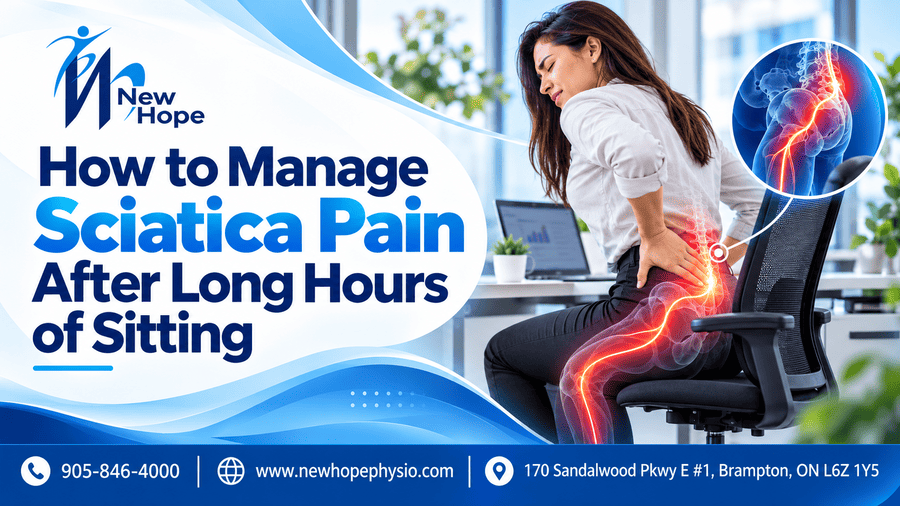
Your lower spine is three times more stressed when you are sitting, compared to standing. Prolonged sitting causes chronic back issues, and sitting for long durations is not healthy for the body. Try to have a break from work every half an hour or so. Even a quick walk is enough.
Also Read: 10 Gentle Workouts to Help Lower Back Pain at Home
Why is National Chiropractic Month Important?
- Helpful to the economy of Canada: Acute low back pain can cost the economy $100 billion per year. Many of these costs are related to reduced efficiency and lost earnings. With National Chiropractic Month, people can return to their feet faster.
- Non-narcotic help: A major problem in this country is the use of non-prescription pain relievers. Further, opioids are less efficacious than spinal manipulation in the treatment of chronic LBP.
- It gives chiropractors their deserved: Many researchers in the recent past have conducted research that has shown that chiropractic care is useful and has preventive health benefits.

Leave a Comment