

Welcome to New Hope Physiotherapy
- Brampton 905-846-4000
- Malton 905-364-3900
- Orangeville 519-217-9300
- admin@newhopephysio.com
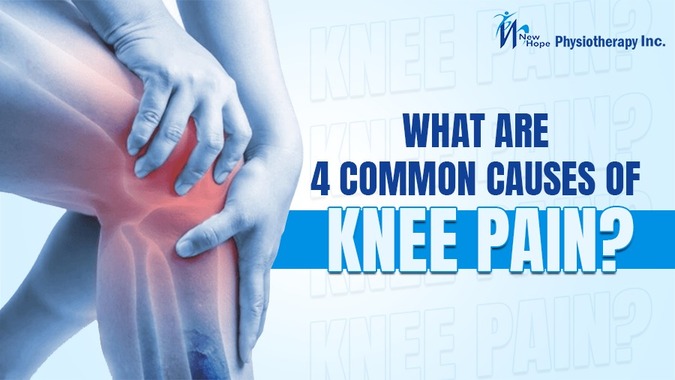
What Are Four Common Causes of Knee Pain?
 6 Oct 2025
- newhope
- 0 Comments
- 1195
What Are Four Common Causes of Knee Pain?
Knee pain is one of the most frequent musculoskeletal issues that pose people of different ages. As an athlete, working professional, or older person, age-related knee joint problems can seriously disrupt mobility and daily life.The understanding of what causes knee pain is the first step in long-term relief. Knee joint ache is caused by four factors which are of paramount relevance to be discussed.
Also Read: Knee Pain in Kids: What Parents Should Know
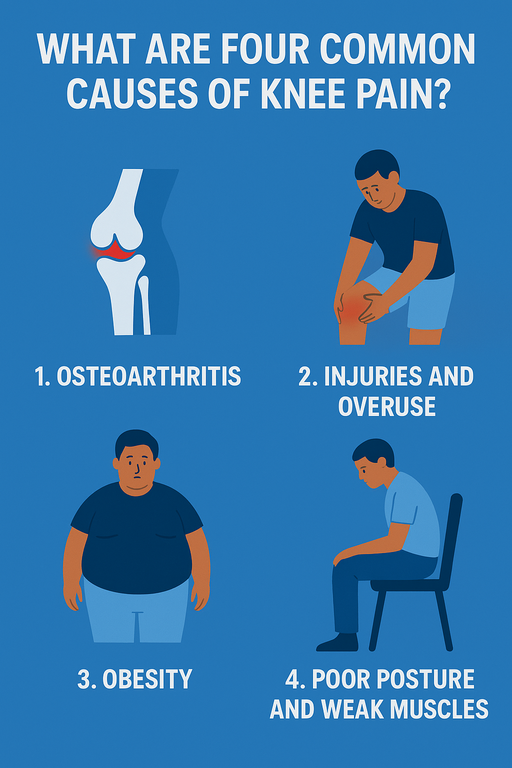
Four Common Causes of Knee Pain
1. Osteoarthritis
One of the most significant causes of persistent knee ache is osteoarthritis particularly in old age and women. Hormonal changes and a higher predisposition to knee ache make females less exposed to joint wear and tear.Gradually the cartilage surrounding the knee fades causing stiffness and inflammation. Numerous Institutions will offer specialized services such as Knee Pain treatment Brampton to help patients in controlling the signs and symptoms of the ailment.
2. Injuries and Overuse
Although there is no apparent event, recurrent injury to the knee can be produced by running, squatting, or pushing heavy objects which do not result in injury to the knee. Conditions that are caused by such excessive use include the patellar tendonitis or bursitis. Knee pain stretches and knee pain exercises can help athletes and other sportspeople to strengthen the muscles around them and minimize its stress.
Also Read: World Arthritis Day 2025: Raising Awareness About Joint Pain
3. Obesity
Knees are highly strained by excess body weight. The fact that one has been higher weight is one of the most neglected causes of knee ache because all the excess weight adds more pressure on the knee. Slow weight loss, knee pain began at low impact exercises and change of lifestyle may make a great contribution towards the reduction of knee ache without improtransfection.
4. Poor Posture and Weak Muscles.
Weak glutes or tailbones can cause poor movement mechanics and send wrong signals to the body.In the long-run, such an imbalance might lead to pain in the knee joint. Introduction of strengthening habits at home or with supervision participants at a knee pain Clinic Brampton would help a lot.
Also Read: Physiotherapist in Brampton | New Hope Physiotherapy
How to Cope with Knee Ache.
When setting aside the functions of the food cart that allow you to get rid of knee ache in a short time frame, a combination of rest, light mobility exercises, and topical anti-inflammatory gels could be relevant. In case of undying ache, it is important to see the specialists of knee pain treatment. Several individuals further seek self-treatment of Knee ache including hot and cold elimination, ranching, or compression bandages.
Also Read: 10 Gentle Workouts to Help Lower Back Pain at Home
The development of symptoms is the reason to consult the professionals, who provide the Knee Pain Treatment Brampton, to avoid the complications in the long term.
Frequently Asked Questions
1. Which painkiller most effectively treats knee pain?
The most effective painkiller for knee pain is usually an over-the-counter anti-inflammatory drug like Ibuprofen. However, it’s best to avoid using it for a long time without consulting a doctor.
Also Read: 10 Safe Ways to Treat Neck Pain during Pregnancy
2. Is exercise able to alleviate knee aches?
Yes! Knee ache can be treated by controlled exercises that lead to both the enhancement of strength and joint stability. Not to make people move high-impact and choose low-resistance movement.
3. What are the indications when to go to a clinic because of knee pain?
If the discomfort doesn’t improve within a week, restricts daily movement, or worsens with activity, you should seek assistance from a knee pain clinic in Brampton.
4. What is the new treatment for knee pain without surgery?
Non-surgical options such as physiotherapy, shockwave therapy, platelet-rich plasma (PRP) injections, and regenerative treatments are becoming more popular. A healthcare professional can recommend the most suitable option based on your condition.
5. How can I lubricate my knees naturally?
Staying hydrated, maintaining a healthy weight, and eating foods rich in omega-3 fatty acids may support joint health. Regular low-impact exercises can also help keep the joints moving smoothly.
Also Read: 5 Quick Home Remedies for Leg Cramp Relief and Prevention
6. What not to do when your knee hurts?
Avoid running, jumping, or lifting heavy objects if your knee hurts. Do not ignore the pain or keep doing activities that make it worse. Give your knee time to rest and recover.
7. What is the fastest home remedy for knee pain?
Rest your knee, apply an ice pack for 15–20 minutes, and keep your leg raised. You can also use a compression bandage to reduce swelling. If the pain continues, visit a physiotherapist.
8. What exercise should seniors not do?
Seniors with knee pain should avoid high-impact exercises like jumping, deep squats, or running on hard surfaces. Low-impact activities such as walking, swimming, or cycling are usually safer.
9. What is the #1 mistake that makes bad knees worse?
The biggest mistake is ignoring knee pain and continuing activities that cause discomfort. Delaying treatment can lead to more pain and a longer recovery.
10. What sleeping position is best for knee pain?
Sleeping on your back with a pillow under your knees or on your side with a pillow between your knees can reduce pressure and improve comfort while you sleep.
Also Read: What Should You Not Do After Cupping?


Leave a Comment