
Welcome to New Hope Physiotherapy
- Brampton 905-846-4000
- Malton 905-364-3900
- Orangeville 519-217-9300
- admin@newhopephysio.com
What Are the 4 Stages of Frozen Shoulder?
 29 May 2026
- newhope
- 0 Comments
- 533
What Are the 4 Stages of Frozen Shoulder?
Frozen shoulder is honestly one of those problems people don’t really talk about until they actually get it. I used to think it was just normal shoulder pain or maybe stiffness from sleeping badly. But it’s different. A lot different actually.
A family member of mine went through it last year and at first nobody took it seriously. She kept saying her shoulder felt tight and weird. Then after some time she couldn’t even lift her arm properly to wear clothes or reach the kitchen shelf. Even sleeping became annoying. That’s when we realized okay… this is not just “small pain.”
And weirdly, frozen shoulder comes slowly. Like so slowly that people ignore it for months sometimes. You just adjust your movements without noticing. Then suddenly one day you realize your shoulder barely moves.
So yeah, if you’re dealing with shoulder stiffness or pain lately, maybe this helps a little.
Also Read: Frozen Shoulder vs. Rotator Cuff Tear: Key Differences and Symptoms
What Is Frozen Shoulder?
Frozen shoulder is a condition where the shoulder joint becomes painful and stiff over time. Doctors also call it adhesive capsulitis but honestly most people just know it as frozen shoulder.
The shoulder slowly loses movement. That’s the frustrating part.
At first maybe you only feel pain while reaching overhead. Then after some weeks even simple things feel difficult. Like:
- Wearing a shirt
- Driving
- Reaching behind your back
- Lifting groceries
- Sleeping properly
And the night pain… honestly people complain about that the most.
Some common frozen shoulder symptoms are:
- Shoulder pain
- Stiffness
- Reduced movement
- Pain during sleep
- Weak feeling in the arm
- Trouble lifting things
It usually affects people between 40 and 60 years old. Diabetes can increase the chances too. Sometimes injuries or surgery lead to it. Sometimes no clear reason at all. Bodies just do strange things sometimes I guess.
Also Read: 10 Gentle Workouts to Help Lower Back Pain at Home
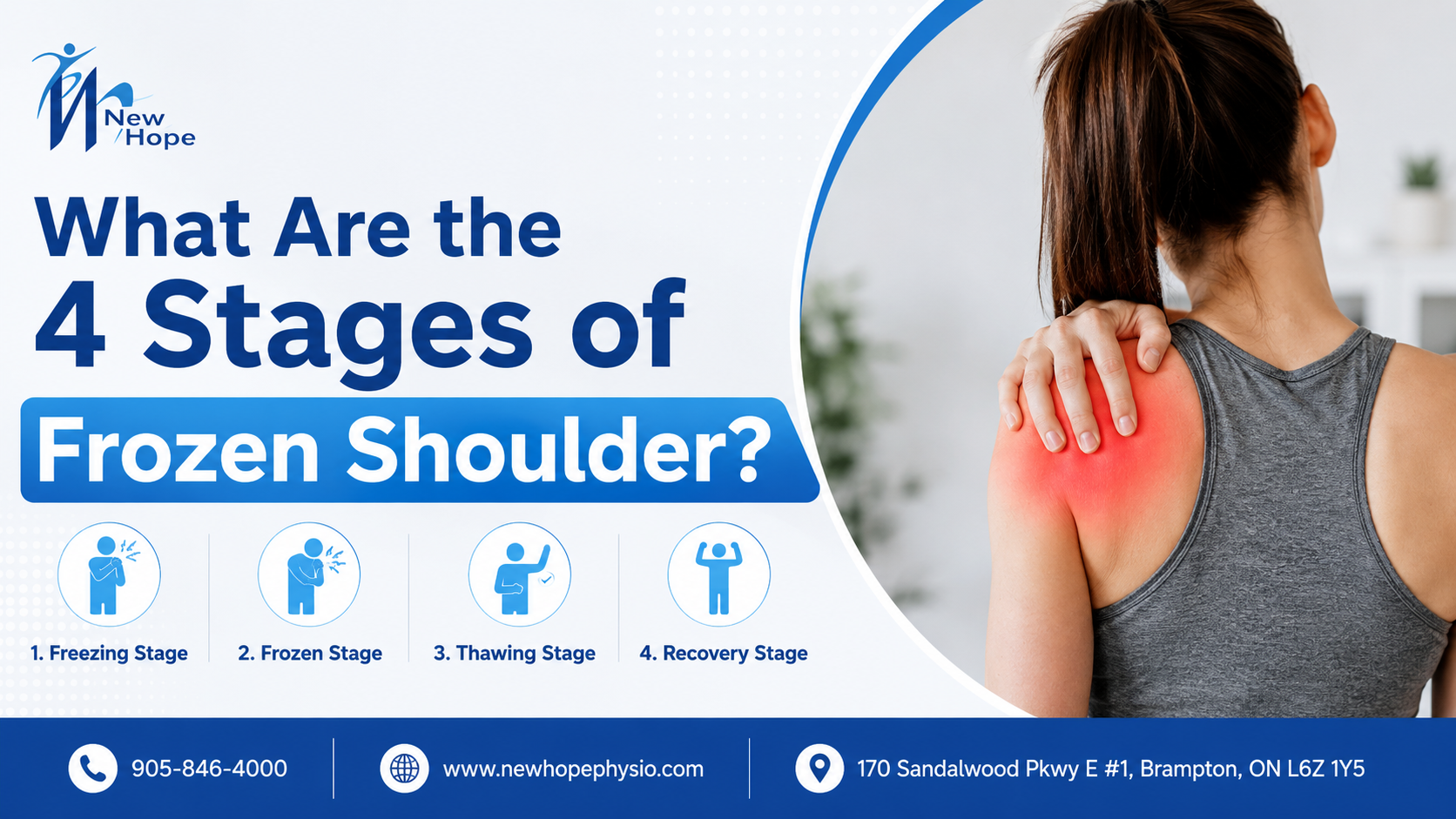
The 4 Stages of Frozen Shoulder
One thing I didn’t know before is that frozen shoulder happens in stages. It’s not just one problem the whole time. It changes.
1. Freezing Stage
This is where everything starts.
Pain slowly increases and shoulder movement starts getting tighter. You may still move the arm, but it hurts more and more. Especially at night. Night pain feels weirdly worse for some reason.
You might notice:
- Sharp pain during movement
- Difficulty raising the arm
- Shoulder tightness
- Pain while sleeping
This stage can last several months. Which honestly feels unfair because most people still think it will just go away by itself.
And maybe sometimes it does improve a bit but usually the stiffness keeps building slowly.
Also Read: 5 Quick Home Remedies for Leg Cramp Relief and Prevention
2. Frozen Stage
This is the stage where stiffness becomes the main issue.
The pain may calm down slightly but now the shoulder feels stuck. Like actually stuck. People describe it differently but “locked” feels pretty accurate.
Simple daily things become exhausting:
- Washing hair
- Reaching shelves
- Putting on jackets
- Driving comfortably
One person described it like their shoulder had rust inside it. That weirdly makes sense.
This stage can stay for months too. Sometimes longer than expected honestly.
3. Thawing Stage
This is the recovery stage. Slowly movement starts coming back.
Not overnight though. That’s the annoying part.
You start noticing little improvements:
- Less stiffness
- Easier arm movement
- Less pain
- Better sleep maybe
Progress feels slow. Really slow sometimes. Like one week you feel better then suddenly stiff again. Recovery isn’t perfectly smooth usually.
But overall this stage means things are improving.
Also Read: 5 Common Types of Back Pain You Should Know
4. Recovery Stage
Some people combine this with thawing stage and some separate it. But basically this is when the shoulder gets closer to normal again.
Movement improves more. Pain keeps reducing.
Most people recover pretty well eventually with proper frozen shoulder treatment and patience. A lot of patience honestly.
What Causes Frozen Shoulder?
There isn’t always one exact reason. That part makes it frustrating.
But common causes include:
- Diabetes
- Shoulder injuries
- Surgery recovery
- Lack of movement for long periods
- Inflammation
- Poor posture maybe too
Sometimes people develop frozen shoulder after keeping the arm still for weeks after surgery or injury. That lack of movement seems to trigger problems.
Desk jobs probably don’t help either. Sitting all day hunched forward. I mean… shoulders already go through enough.
Also Read: What Should You Not Do After Cupping?
What Frozen Shoulder Actually Feels Like
It’s hard to explain unless someone experiences it.
It’s not just pain. It’s stiffness mixed with pulling and weakness. Sometimes a deep ache too.
And honestly the mental frustration becomes part of it after a while. Because simple tasks suddenly become difficult for no obvious reason.
People often say:
- “My shoulder feels tight”
- “It feels locked”
- “I can’t move naturally anymore”
- “It hurts most at night”
That sleep issue keeps coming up again and again.
Frozen Shoulder Treatment Options
The good thing is frozen shoulder can improve. It usually just takes time.
Some common frozen shoulder treatment options are:
Physiotherapy
This helps many people the most.
Physiotherapists guide gentle stretches and movement exercises to improve mobility without making pain worse. That balance matters because aggressive stretching can actually irritate the shoulder more.
Clinics offering frozen shoulder treatment in Brampton often focus on:
- Shoulder mobility exercises
- Stretching
- Manual therapy
- Pain management
- Strength improvement slowly over time
Places like New Hope Physiotherapy inc provide treatment plans for shoulder pain and mobility issues. And honestly having someone guide the process helps because random YouTube stretches can sometimes make things worse if done badly.
Also Read: 10 Safe Ways to Treat Neck Pain during Pregnancy
Heat Therapy
Heat before exercises may help loosen stiffness a bit.
Pain Relief Medication
Some people use anti-inflammatory medicines after speaking with a doctor.
Gentle Movement
Resting too much can actually make frozen shoulder worse. That surprised me honestly.
The shoulder usually needs gentle movement, not complete inactivity.
Frozen Shoulder Exercises
Some frozen shoulder exercises may help improve flexibility slowly:
- Pendulum stretch
- Wall climbing exercise
- Cross-body stretch
- Finger walk exercise
- Towel stretch
But the important thing is not forcing painful movement aggressively. People get impatient sometimes and overdo stretches. Usually backfires.
Consistency matters more than intensity probably.
Also Read: Effective Physiotherapy Exercises for Lower Back Pain Relief
How To Cure Frozen Shoulder Quickly
This is probably the biggest question online.
And honestly there’s rarely a super fast cure. Frozen shoulder recovery usually takes time no matter what.
Still, some things may help speed it up:
- Starting physiotherapy early
- Staying active gently
- Doing exercises regularly
- Improving posture
- Managing diabetes properly
- Using heat therapy
Ignoring symptoms for months usually makes recovery harder. That seems pretty common too.
When To Get Help
You should probably seek professional help if:
- Pain keeps increasing
- Shoulder movement keeps decreasing
- Sleep becomes difficult
- Daily activities become frustrating
- Symptoms last more than a few weeks
A physiotherapy clinic can assess the shoulder properly and guide recovery safely.
Sometimes people wait way too long because they think it’s “just stiffness.” Then suddenly they can barely move the arm.
Also Read: Two types of Chiropractor
FAQs
1. How do I know what stage of frozen shoulder I am in?
More pain than stiffness usually means freezing stage. More stiffness than pain often means frozen stage.
2. Is frozen shoulder a symptom of stroke?
Not usually. But shoulder stiffness can happen after stroke recovery sometimes.
3. Is it possible to fully recover from frozen shoulder?
Yes, many people recover fully or almost fully with treatment and time.
4. What is the root cause of frozen shoulder?
Usually inflammation and tightening around the shoulder joint.
5. When to worry about frozen shoulder?
If pain becomes severe or movement keeps worsening for weeks or months.
6. What is the most common age for frozen shoulder?
Usually between 40 and 60 years old.
7. What is the fastest way to heal a frozen shoulder?
Early physiotherapy and regular gentle movement often help the most.
8. How many years can a frozen shoulder last?
Sometimes 1 to 3 years depending on the person.
9. Can I massage my frozen shoulder?
Gentle massage may help stiffness, but aggressive massage can irritate it.
10. What not to eat if you have frozen shoulder?
There’s no strict food restriction but reducing processed foods and excess sugar may help overall inflammation.
Conclusion
Frozen shoulder is honestly more frustrating than people expect. It affects small daily things in ways you don’t think about until suddenly you can’t do them properly anymore.
The good thing though is that most people improve eventually. Slowly maybe. Sometimes very slowly. But recovery does happen.
Understanding the 4 stages of frozen shoulder helps a little because then at least you know why things feel different over time. And honestly sometimes that reassurance matters too.
If symptoms keep getting worse, getting proper support from a physiotherapy clinic can really help. Even just having guidance during recovery makes the whole thing feel less confusing. Call us today at 905-846-4000 or book your appointment online anytime.


Leave a Comment