

Welcome to New Hope Physiotherapy
- Brampton 905-846-4000
- Malton 905-364-3900
- Orangeville 519-217-9300
- admin@newhopephysio.com
Physiotherapy Treatment for Plantar Fasciitis
 21 Apr 2023
- newhope
- 0 Comments
- 1134
Physiotherapy Treatment for Plantar Fasciitis
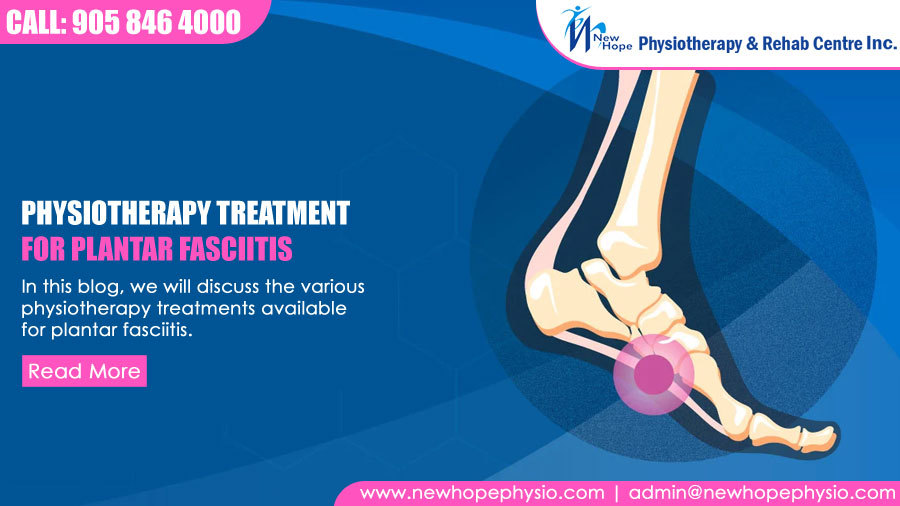
Plantar fasciitis is a common foot condition that affects the plantar fascia, a band of tissue that runs along the bottom of the foot from the heel to the toes. It is characterized by pain and inflammation in the heel and arch of the foot, which can be debilitating and affect daily activities. While there are many treatment options available for plantar fasciitis, physiotherapy is a popular and effective approach. In this blog, we will discuss the various physiotherapy treatments available for plantar fasciitis.
Also Read: 10 Gentle Workouts to Help Lower Back Pain at Home
What is Physiotherapy?
Physiotherapy, also known as physical therapy, is a healthcare profession that focuses on the use of manual techniques, exercise, and education to promote healing, recovery, and rehabilitation. It is often used to treat musculoskeletal conditions such as plantar fasciitis, as well as neurological and respiratory conditions.
Physiotherapy Treatment for Plantar Fasciitis
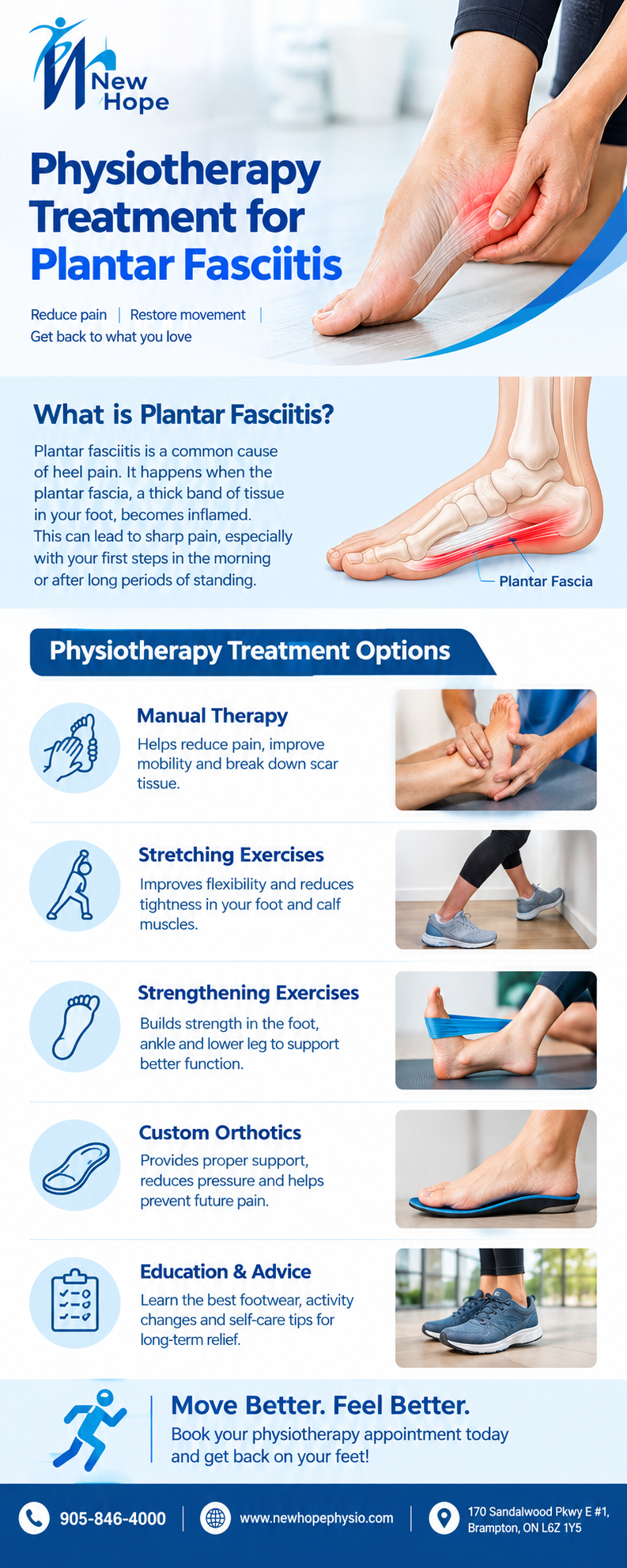
Physiotherapy is a non-invasive and drug-free treatment approach for plantar fasciitis that aims to reduce pain and inflammation, improve mobility and flexibility, and prevent recurrence of the condition. Here are some of the physiotherapy treatments available for plantar fasciitis:
1. Stretching Exercises:
Stretching exercises are a crucial component of physiotherapy treatment for plantar fasciitis. They help to improve flexibility and range of motion in the foot and ankle, which can reduce pain and prevent further injury. Some common stretching exercises for plantar fasciitis include calf stretches, Achilles tendon stretches, and plantar fascia stretches.
2. Massage Therapy:
Massage therapy is another effective physiotherapy treatment for plantar fasciitis. It can help to reduce inflammation, increase circulation, and promote healing in the affected area. Your physiotherapist may use various massage techniques such as deep tissue massage, trigger point therapy, and myofascial release.
3. Taping and Strapping:
Taping and strapping are techniques that involve applying adhesive tape to the foot and ankle to support the affected area and reduce pain. This can help to improve foot alignment and prevent further injury.
Also Read: What Should You Not Do After Cupping?
4. Orthotics:
Orthotics are custom-made shoe inserts that can help to support the foot and reduce pressure on the plantar fascia. Your physiotherapist may recommend orthotics as part of your treatment plan for plantar fasciitis.
5. Electrotherapy:
Electrotherapy involves the use of electrical impulses to stimulate the muscles and promote healing. This treatment can help to reduce pain and inflammation in the affected area.
6. Exercise Programs:
Your physiotherapist may recommend specific exercises to strengthen the muscles in your foot and ankle and improve your overall mobility and flexibility. These exercises can help to prevent further injury and reduce the risk of recurrence.
Also Read: Top 5 Exercises for Strengthening Your Pelvic Floor
Physiotherapy Exercises for Plantar Fasciitis
Physiotherapy exercises can help to relieve the pain and discomfort associated with plantar fasciitis. These exercises aim to strengthen the muscles in the feet and calves, improve flexibility, and reduce inflammation. Here are some of the most effective physiotherapy exercises for plantar fasciitis:
- Calf Stretches: Stand with your hands on a wall and step back with one foot. Keeping your back heel on the ground, lean forward until you feel a stretch in your calf. Hold for 30 seconds and repeat on the other side.
- Toe Curls: Sit with your feet flat on the ground and place a towel under your toes. Curl your toes to grip the towel and hold for 5 seconds, then release. Repeat for 10 repetitions.
- Heel Raises: Stand with your feet shoulder-width apart and raise your heels as high as you can. Hold for 5 seconds and lower your heels back down. Repeat for 10 repetitions.
- Plantar Fascia Stretch: Sit with your legs straight out in front of you and wrap a towel around the ball of your foot. Gently pull the towel towards you until you feel a stretch in the arch of your foot. Hold for 30 seconds and repeat on the other foot.
- Achilles Tendon Stretch: Stand with one foot in front of the other and bend your front knee while keeping your back leg straight. Lean forward until you feel a stretch in your calf and Achilles tendon. Hold for 30 seconds and repeat on the other side.
Preventing Plantar Fasciitis
Preventing plantar fasciitis is always better than having to treat it. Here are some tips to help prevent plantar fasciitis:
1. Wear Proper Footwear:
Wearing shoes that provide proper support for your feet can help to prevent plantar fasciitis. Look for shoes with good arch support, a cushioned sole, and a wide toe box.
2. Maintain a Healthy Weight:
Carrying excess weight can put added pressure on your feet and increase your risk of developing plantar fasciitis. Maintaining a healthy weight can help to reduce this risk.
3. Stretch Regularly:
Regular stretching of the calf muscles, Achilles tendon, and plantar fascia can help to prevent plantar fasciitis. Incorporate stretching exercises into your daily routine to keep your feet flexible and strong.
4. Avoid Overuse:
Overuse of the feet, such as running or walking long distances without proper rest, can increase your risk of developing plantar fasciitis. Make sure to give your feet a rest and avoid overdoing it.
5. Warm-Up Before Exercise:
Before engaging in any physical activity, it is important to warm up properly. This can help to prevent injury and reduce your risk of developing plantar fasciitis.
Also Read: 5 Quick Home Remedies for Leg Cramp Relief and Prevention
When to Seek Medical Advice
If you are experiencing foot pain or suspect you may have plantar fasciitis, it is important to seek medical advice from a healthcare provider or physiotherapist. Plantar fasciitis can be a chronic condition if left untreated, which can lead to long-term pain and disability.
If your foot pain is severe or has been present for a prolonged period, or if you have difficulty walking or standing, it is important to seek medical attention immediately. Your healthcare provider or physiotherapist can assess your condition and recommend the best course of treatment for you.
In some cases, medical intervention may be necessary, such as corticosteroid injections, shockwave therapy, or surgery. However, most cases of plantar fasciitis can be effectively treated with physiotherapy, exercise, and lifestyle changes.
Conclusion
Plantar fasciitis can be a painful and debilitating condition, but with the right physiotherapy treatment, you can reduce pain, improve mobility, and prevent further injury. If you are suffering from plantar fasciitis, it is important to seek professional medical advice and treatment. Your physiotherapist can assess your condition and recommend a personalized treatment plan that meets your needs and goals. With the right treatment, you can get back on your feet and enjoy your daily activities pain-free.
Also Read: 5 Common Types of Back Pain You Should Know
FAQs:
1. What is plantar fasciitis?
Plantar fasciitis is a common foot condition that causes pain under the heel or along the bottom of the foot. It often happens when the plantar fascia becomes irritated or strained.
2. Can physiotherapy help plantar fasciitis?
Yes. Physiotherapy can help reduce foot pain, improve flexibility, strengthen the foot and lower leg, and support better movement.
3. What does physiotherapy treatment for plantar fasciitis include?
Treatment may include stretching, strengthening exercises, manual therapy, soft tissue techniques, advice on footwear, and exercises to improve foot movement.
4. How long does plantar fasciitis take to improve with physiotherapy?
The recovery time varies from person to person. Regular treatment, home exercises, proper footwear, and avoiding activities that increase pain can support recovery.
5. What exercises can help plantar fasciitis?
Calf stretches, plantar fascia stretches, toe exercises, and foot and ankle strengthening exercises may help. A physiotherapist can recommend exercises based on your condition.
Read More: Shoulder Pain Solutions: 7 Essential Exercises for Quick Relief
6. Can physiotherapy reduce heel pain?
Physiotherapy may help reduce heel pain by improving foot and ankle movement, strengthening supporting muscles, and addressing factors that may be contributing to the pain.
7. Should I walk with plantar fasciitis?
Gentle walking may be suitable for some people, but activities that significantly increase pain should be reduced. Your physiotherapist can guide you on safe activity levels.
8. Can footwear make plantar fasciitis worse?
Yes. Shoes with poor support, little cushioning, or worn-out soles may increase stress on the foot. Supportive and comfortable footwear may help reduce strain.
9. When should I see a physiotherapist for plantar fasciitis?
Consider seeing a physiotherapist if heel or foot pain continues, affects your daily activities, or does not improve with basic rest and self-care.
10. Can plantar fasciitis come back after treatment?
It can return in some people. Continuing recommended exercises, wearing suitable footwear, managing activity levels, and maintaining good foot and leg strength may help reduce the risk of recurrence.
Also Read: World Physiotherapy Day 2026: Helping People Move Without Pain
Gauravdeep Randhawa, Physiotherapist
Gauravdeep Randhawa is a caring and experienced physiotherapist with over 17 years of experience helping patients recover and improve their quality of life.
She started her own practice in Canada in 2009 and has treated many patients with muscle, joint, sports, neurological, and pelvic health conditions. She has also owned and operated multidisciplinary clinics.
Gauravdeep is a Certified Manual Therapist and has completed training in Contemporary Medical Acupuncture and Pelvic Floor Therapy. She uses hands-on treatment, personalized exercise programs, and evidence-based care to support each patient’s recovery.
Her goal is to help people reduce pain, restore movement, improve function, and achieve long-term wellness in a comfortable and supportive environment.
Medical Disclaimer:
This information is for general education only and is not a substitute for professional medical advice. Plantar fasciitis can have different causes, so treatment should be based on your individual needs. Please consult a qualified physiotherapist or healthcare professional for proper assessment and treatment.


Leave a Comment