
Welcome to New Hope Physiotherapy
- Brampton 905-846-4000
- Malton 905-364-3900
- Orangeville 519-217-9300
- admin@newhopephysio.com
Top 10 Scoliosis Stretching Exercises
 14 Jun 2022
- admin
- 0 Comments
- 5172
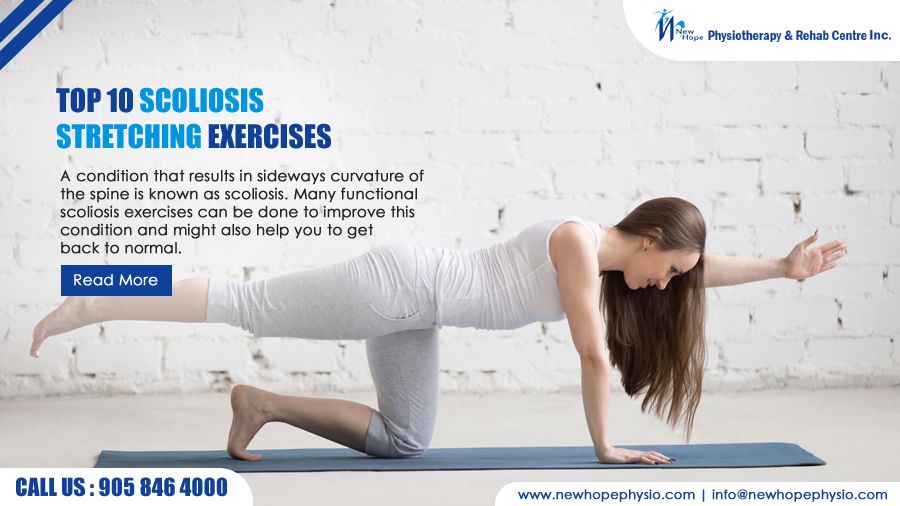
Top 10 Scoliosis Stretching Exercises
A condition that results in sideways curvature of the spine is known as scoliosis. Many functional Scoliosis Stretching Exercises can be done to improve this condition and might also help you to get back to normal.
When you notice that you are having trouble walking, have shortness of breath, difficulty standing straight, numb your legs, bump in the lower back, etc., then it may be the right time for scoliosis exercises to straighten the spine. Scoliosis Stretching exercises are best for this purpose.
Also Read : World Physiotherapy Day 2026: Helping People Move Without Pain
How to fix scoliosis naturally
In some cases, specific exercises, as well as stretches, can help to eliminate the chances of surgery for scoliosis. It is better to speak to doctors or physical therapists and ask about stretching exercises that might be best for you.
The stretching routine you chose also depends upon the scoliosis curve’s location. Lumbar scoliosis exercises mainly focus on lower back exercise, whereas thoracic scoliosis exercises specifically focus on shoulder exercise.
Also Read : Dry Cupping vs Wet Cupping: Key Differences & Treatments
Here are the best ten scoliosis exercises to straighten the spine with pictures:
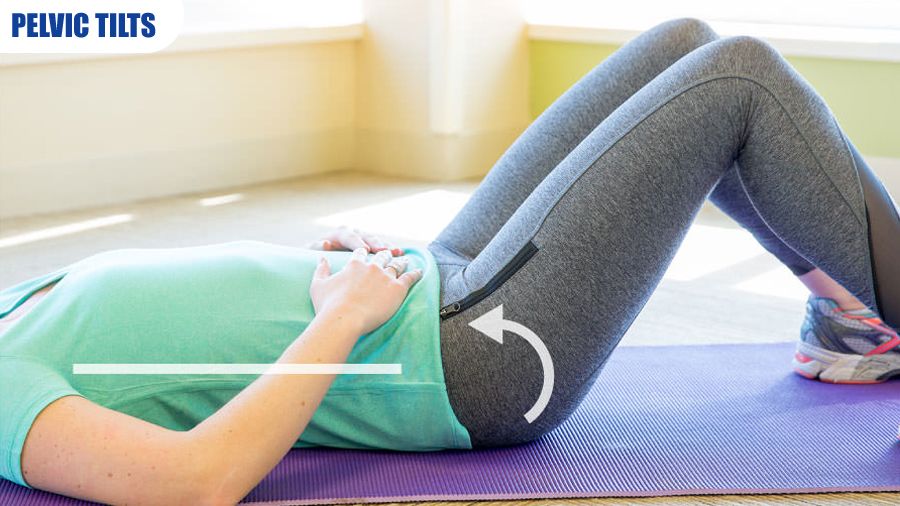
1. Pelvic Tilts
It is a Scoliosis stretching exercise in which tight muscles of the lower back and hips are stretched. This exercise is very easy to do. You need to lie on your back on the floor with bent knees. Tighten the muscles of your stomach. Hold your muscles for 5 seconds, then continue breathing normally.
Also Read : 36 Questions Should I Ask A Physiotherapist?
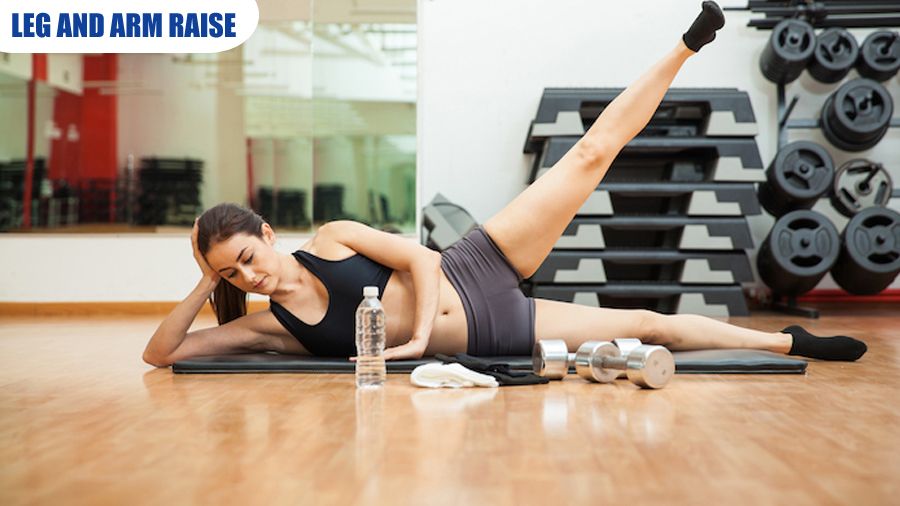
2. Leg and arm raise
Through this exercise, people can straighten their back with the help of arm and leg raises. You need to lie on the ground on your front body, keep your legs straight and extend your arms above your head. Raise only one arm for two seconds and then keep it on the ground. Repeat this exercise simultaneously with both your arms and legs.
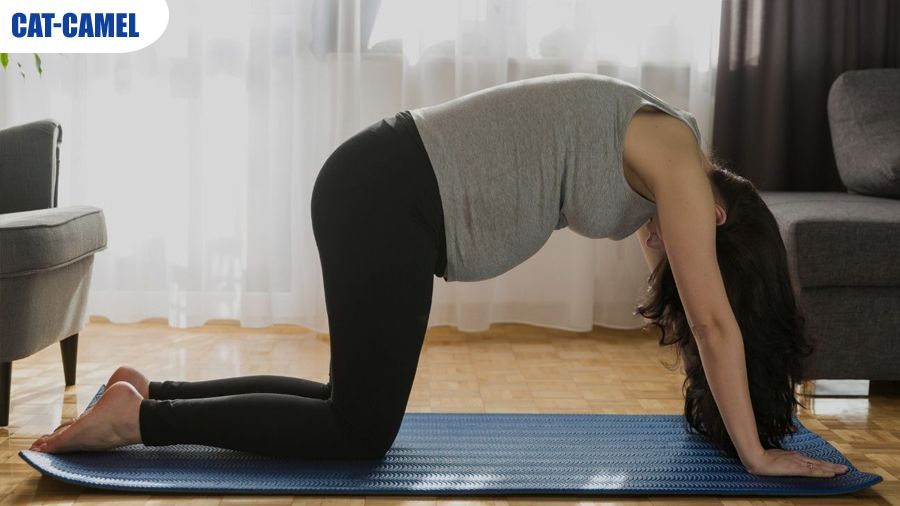
3. Cat-camel
It is a stretchable yoga pose that will help your spine be flexible and free from pain. Make sure your back is level and your head and neck comfortable. Breathe slowly and deeply. Draw the muscles of your abdomen in and up. Exhale while releasing the muscles by letting the belly fall by lifting the head in the upper direction (towards the ceiling).
Also Read : Five Benefits Of Sports Physiotherapy For Athletes
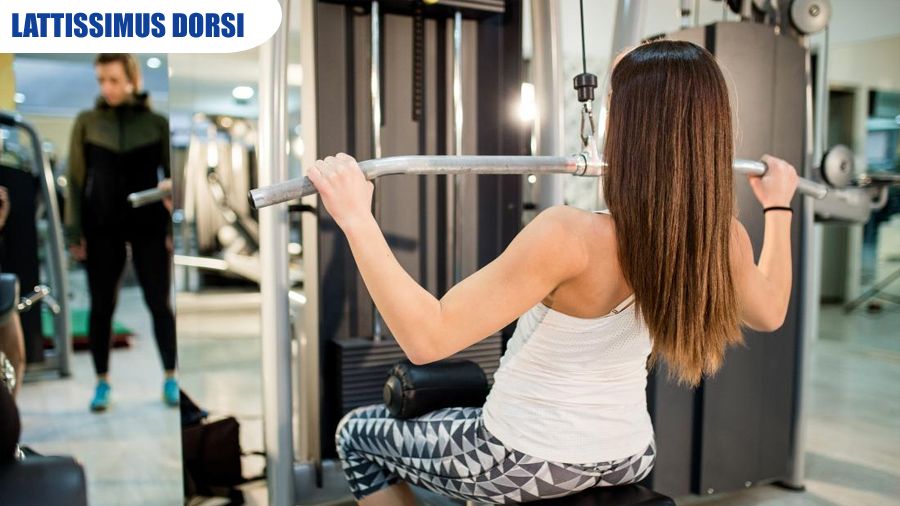
4. Lattissimus Dorsi
This Scoliosis stretching exercise is very effective for scoliosis. You need to stand straight while keeping your knees a little bent. With the help of your left hand, grab the wrist of your right hand over your head. Bend slowly and slightly on the left side to feel the stretch on the right side and vice versa. Repeat this exercise on both sides.
Also Read : Why Do We Commemorate World Physiotherapy Day?
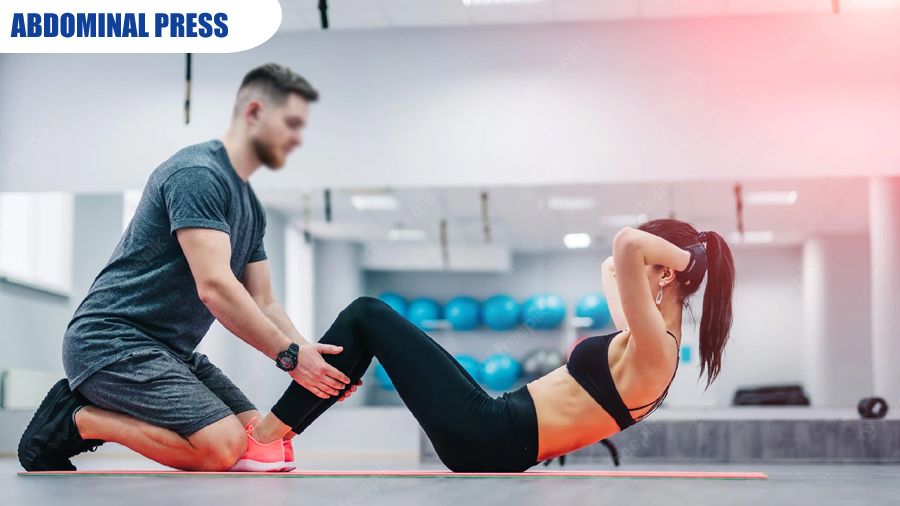
5. Abdominal press
This can reduce stress on your back. Keep your knees bent while lying on the ground. Raise your lower legs in 90o while keeping your arms at rest as it is a static exercise.
Also Read : When Is World Physical Therapy Day Observed?
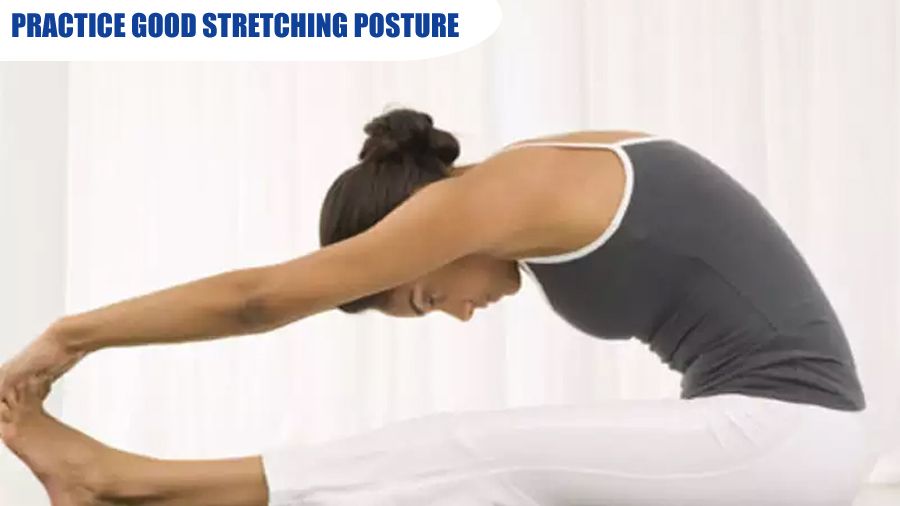
6. Practice good stretching posture
Stand straight on your feet while keeping your back straight. Take your arms above your head and stretch your hands as up as possible; this will treat your back and ease your condition.
Also Read : 10 Gentle Workouts to Help Lower Back Pain at Home
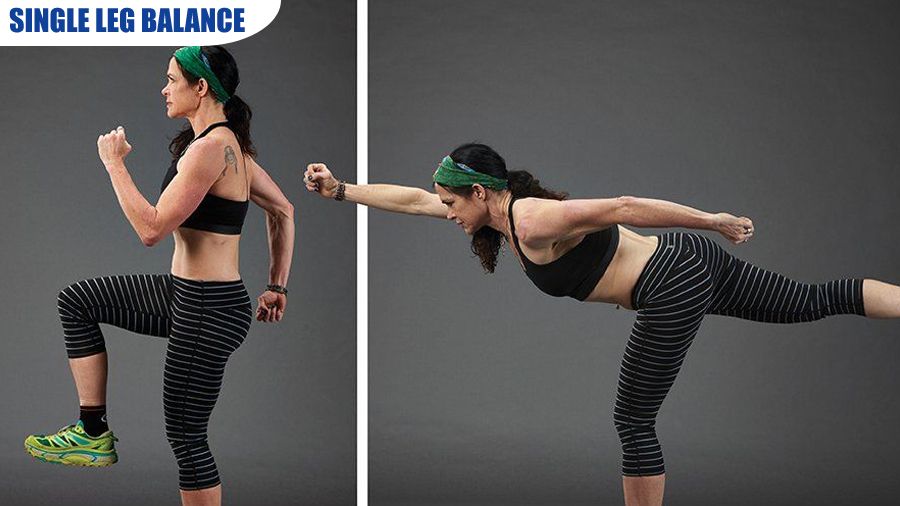
7. Single leg balance
Start this exercise while bending your one knee up. You can also take support of a chair or wall. Try this position while bringing your hands closer to your chest by staying in the same place.
Also Read : Living With Arthritis? Say Goodbye To Pain With Physiotherapy
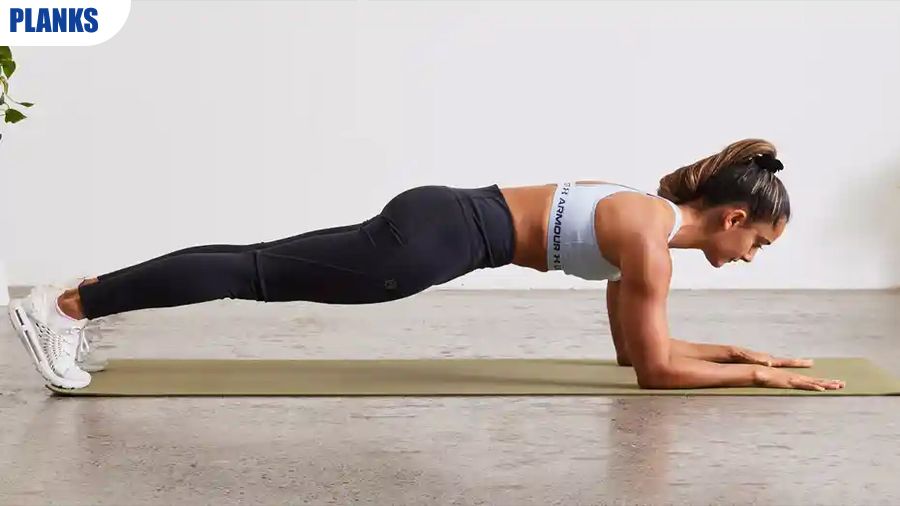
8. Planks
This Scoliosis Stretching Exercises can support your spine. Lie on the ground on your front side while keeping your forearms ahead of your shoulder. Keep your back straight. Stay in this position for a few seconds.
Planks
Also Read : How Our Physiotherapists Can Help After A Car Accident
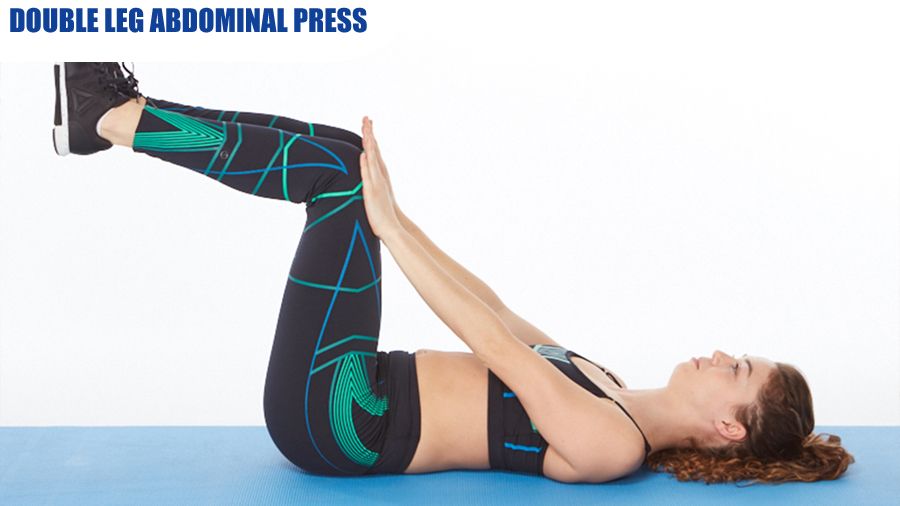
9. Double leg abdominal press
Lay on your back, bend your knees, and keep your back straight. Raise one leg at a time in 90o to your hips. Keeps your hands against your knees. Be in this position for three breaths and repeat it.
Also Read : 6 Ways To Find The Best Physiotherapist In Brampton For You
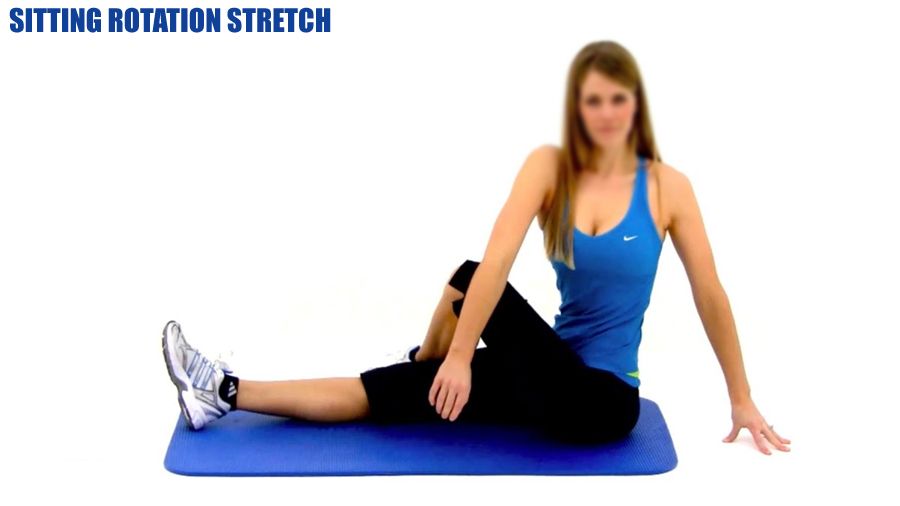
10. Sitting rotation stretch
This exercise can improve the flexibility of your spine. Place right leg sole on the floor while sitting. Try twisting your torso towards the right leg. You can extend your left arm to press the elbow against the knee. Repeat this position on the other side.
Conclusion
These exercises can help you to improve your situation. You can also get an opinion from your trainer or doctor for better advice. Scoliosis exercises to avoid include running, jumping, ballet steps, playing football, etc.
Also Read: The Path to Becoming an Acupuncturist in Canada: How Long Does It Take?
FAQS:
Q1: What are some effective scoliosis stretching exercises?
A1: Some effective stretching exercises for scoliosis include the cat-cow stretch, side stretch, and hamstring stretch. These exercises help improve flexibility, reduce muscle tension, and alleviate discomfort associated with scoliosis.
Q2: How many times a week should I perform scoliosis stretching exercises?
A2: It’s recommended to perform scoliosis stretching exercises at least three to five times a week for optimal results. Consistency is key to improving flexibility, relieving tension, and promoting spinal health.
Q3: Are there any precautions to consider before starting scoliosis stretching exercises?
A3: Before starting any new exercise routine, especially for scoliosis, it’s essential to consult with a healthcare professional or a qualified physical therapist. They can provide personalized recommendations, assess your condition, and ensure that the stretching exercises are safe and appropriate for your specific needs.
Also Read: 5 Quick Home Remedies for Leg Cramp Relief and Prevention
Q4. What exercises should not be done with scoliosis?
A4: Exercises that cause pain or put too much pressure on the spine should usually be avoided. Heavy lifting, repeated twisting, deep back bending, and high-impact exercises may not be suitable for some people with scoliosis. The right exercises depend on the type and severity of the curve, so it is best to follow a physiotherapist’s advice.
Q5. What is the best sleeping position for scoliosis?
A5: Many people with scoliosis feel comfortable sleeping on their back or side. If you sleep on your back, placing a pillow under your knees may reduce pressure on the lower back. Side sleepers may find it helpful to place a pillow between the knees. Sleeping on the stomach may be uncomfortable for some people because it can place extra strain on the neck and back.
Q6. What are the newest treatments for scoliosis in adults?
A6: Treatment for adult scoliosis may include physiotherapy, scoliosis-specific exercises, pain management, posture training, and strength exercises. In some cases, doctors may use injections or recommend surgery when symptoms are severe. Newer surgical techniques may use smaller incisions and more advanced spinal implants, depending on the patient’s condition.
Q7. What should you not do with adult scoliosis?
A7: Try to avoid activities that repeatedly cause or increase back pain. This may include lifting very heavy objects, poor lifting techniques, sitting in the same position for long periods, or doing exercises that place excessive stress on the spine. Staying active is usually better than avoiding movement completely.
Q8. How can scoliosis be treated in older adults?
A8: Scoliosis in older adults cannot always be completely corrected, but symptoms can often be managed. Treatment may include physiotherapy, strengthening exercises, stretching, posture training, walking, and pain management. The goal is usually to improve movement, reduce pain, and help the person stay independent.
Q9. Is walking a lot good for scoliosis?
A9: Walking can be a good low-impact exercise for many people with scoliosis. It may help improve circulation, fitness, muscle strength, and overall mobility without putting too much stress on the spine. Start with a comfortable distance and increase gradually. If walking increases pain, speak with a healthcare professional.
Q10. Is it normal to have scoliosis at 65 years old?
A10: Yes. Scoliosis can be present from younger years or develop later in life because of age-related changes in the spine. This is sometimes called adult degenerative scoliosis. Changes in the spinal discs and joints can cause the spine to curve over time. A medical assessment can help determine the cause and the most appropriate treatment.
Also Read: What Should You Not Do After Cupping?
Gauravdeep Randhawa, Registered Physiotherapist
Gauravdeep Randhawa is a caring and experienced physiotherapist with over 17 years of experience helping patients recover and improve their quality of life.
She started her own practice in Canada in 2009 and has treated many patients with muscle, joint, sports, neurological, and pelvic health conditions. She has also owned and operated multidisciplinary clinics.
Gauravdeep is a Certified Manual Therapist and has completed training in Contemporary Medical Acupuncture and Pelvic Floor Therapy. She uses hands-on treatment, personalized exercise programs, and evidence-based care to support each patient’s recovery.
Her goal is to help people reduce pain, restore movement, improve function, and achieve long-term wellness in a comfortable and supportive environment.
Medical Disclaimer:
These scoliosis stretching exercises are for general information only and may not be suitable for everyone. Stop if you feel pain or discomfort. If you have scoliosis, an injury, or other health concerns, speak with a qualified physiotherapist or healthcare professional before starting any exercise program.
Also Read: Scoliosis Awareness Month 2026: Common Questions Answered

Leave a Comment