

Welcome to New Hope Physiotherapy
- Brampton 905-846-4000
- Malton 905-364-3900
- Orangeville 519-217-9300
- admin@newhopephysio.com
Winter Injuries and Treatment in Ontario
 9 Apr 2023
- newhope
- 0 Comments
- 953
Winter Injuries and Treatment in Ontario
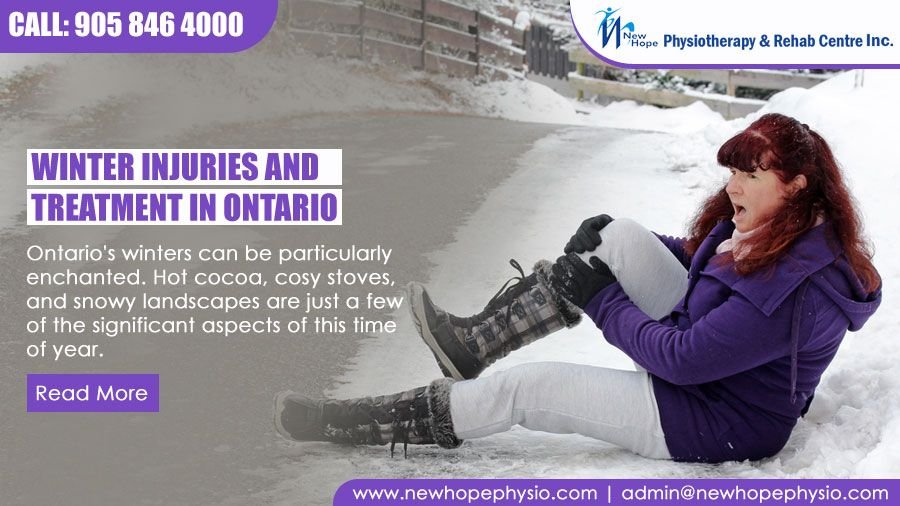
Winter Injuries and Treatment: Ontario’s winters can be particularly enchanted. Hot cocoa, cosy stoves, and snowy landscapes are just a few of the significant aspects of this time of year. But certain risks come with all of the fun. Winter Injuries can result from ice roadways, slick walkways, and frigid temperatures.
We’ll look into one of the most typical winter injuries in this blog post, along with possible remedies.
Also Read: 10 Gentle Workouts to Help Lower Back Pain at Home
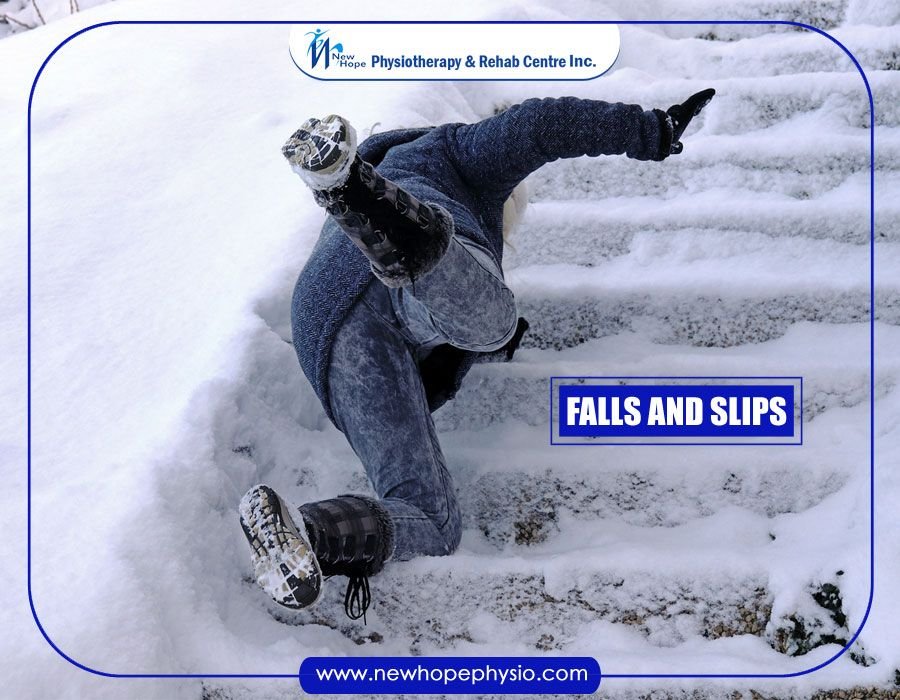
Falls and Slips
Having fallen on snow or ice is one of the major hazards in the winter. It’s far too simple to lose balance and crash into the earth. Although some falls may simply leave you with a few winter injuries, others may leave you with fractured bones, head traumas, or even death. Your doctor can determine the extent of your wounds and make treatment suggestions.
Also Read : Top Three Reasons To Choose A Chiropractor Over A Physiotherapist
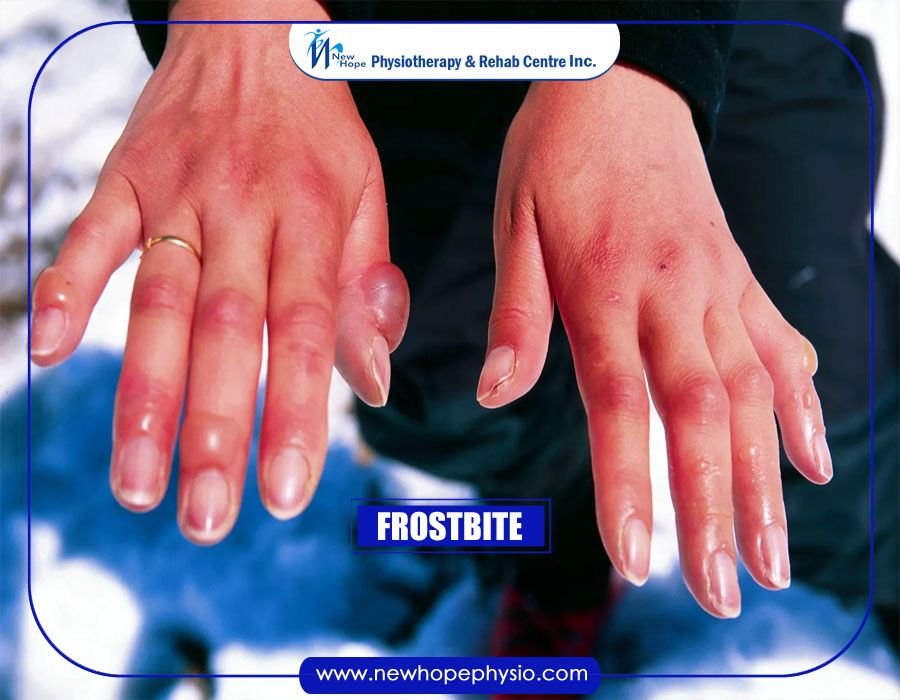
Frostbite
Frostbite is another common winter injury. Skin as well as tissue freeze as a result of protracted exposure to low temperatures. Fingers, toes, noses, and ears are frequently affected by frostbite. Numbness, twitching, and a white or greyish hue to the skin are among the symptoms. You should get medical help immediately if you think you could have frostbite. Rewarming the damaged area, pain relief, and perhaps even surgery are all possible forms of treatment.
Also Read : 36 Questions Should I Ask A Physiotherapist?
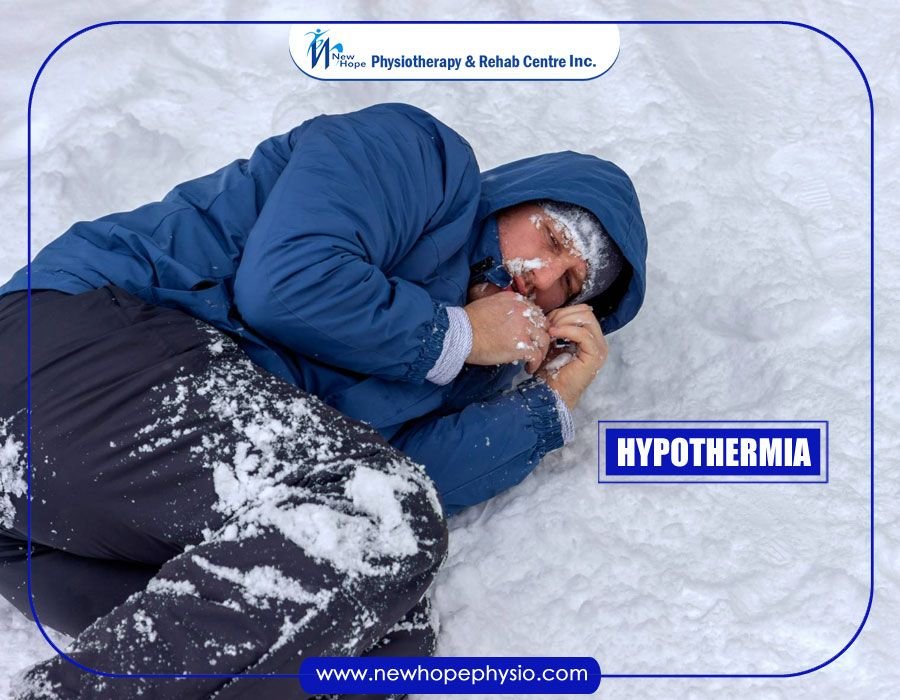
Hypothermia
You develop hypothermia when your body’s temperature drops below average due to extended exposure to cold weather. Shivering, disorientation, tiredness, and unconsciousness are symptoms. It’s crucial to seek medical assistance immediately if you feel someone is hypothermic. Rewarming the body, giving warm drinks, and eyeing for problems are all possible forms of treatment.
Also Read : Physical Therapy For Parkinson’s Disease
Snowboard and ski injuries
Even though snowboarding and skiing are well-liked winter activities in Ontario, there is a chance of damage. Broken bones, head trauma, and sprains are some of the most typical injuries sustained while skiing and snowboarding. Falls, collisions with several other skiers or riders, or even running into trees or other items on the slopes can all result in these injuries.

Also Read : How To Find Physiotherapy Near Me?
Car Mishaps
Driving in the winter can be dangerous due to slippery roads and poor vision. A frequent winter injury is a car accident, which can range in severity from minor incidents to life-threatening ones. Although if you feel great after a car wreck, getting medical help right away is still crucial. Although some injuries, like whiplash, might not seem immediately obvious, they can have long-term effects if not treated.

Also Read : 15 Benefits Of Physical Therapy (PT)
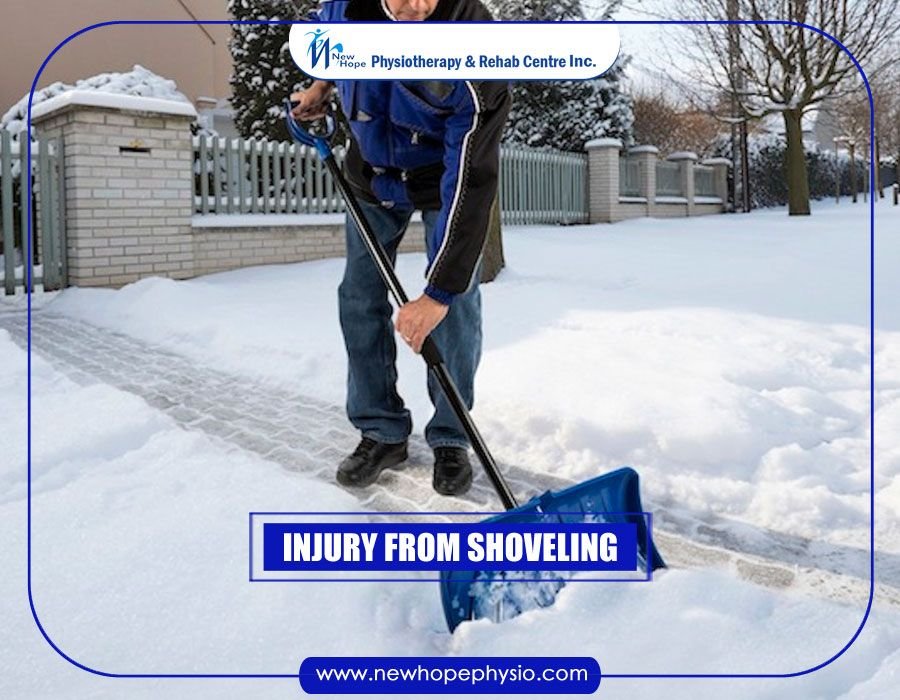
Injury from Shoveling
Snow shovelling is a common aspect of winter for many of us. Nevertheless, this harmless practise might be highly risky. Shoveling can result in muscular strains, disc herniation, and heart attacks since it exerts much pressure on your back, neck, and heart. Moving slowly and paying attention to your body is crucial if you aren’t used to shovelling. If you feel your chest tightening or your breathing becoming laboured, stop immediately and get help.
Also Read : TMJ Physical Therapy For Pain
Alternatives for Winter Injury Therapy
If you get hurt during the winter, you have many recovery alternatives for therapy. The best course of action depends on the kind and extent of your wound, but frequent treatments include:
1. Rest and ice:
The initial step in treating minor injuries like sprains or strains is to rest the injured region while applying ice to decrease swelling and pain.
2. Physiotherapy:
If your condition is more significant, physiotherapy may be required to aid in your recovery. You can work with a physiotherapist to create a specialised treatment plan comprising stretches and exercises to help you rebuild your power, mobility, and range of motion.
Medication:
In some circumstances, painkillers and anti-inflammatory medications can help manage inflammation and pain.
Splints or braces can assist in keeping the injured region immobile and offer support as it recovers.
Surgery:
Surgery may occasionally be required to treat more severe wounds like fractures or damaged ligaments.
To ensure you get the proper care after suffering a winter injury, getting medical help is critical as soon as possible. Later on, more significant issues can arise due to postponing treatment or disregarding symptoms.
Other alternative therapies are available in addition to these conventional therapy choices, some of which may be helpful for specific patients. They consist of chiropractic treatment, massage therapy, and acupuncture. Although there is little scientific evidence to back up these treatments, some people find they are effective at managing pain and enhancing wellness in general.
The best course of action for a winter accident will ultimately rely on the patient and the specifics of the injury. Collaborating with a health practitioner can help ensure you get the attention and assistance you require to recover completely.
Also Read : Benefits Of Massage In Physical Therapy
What can you do to avoid getting hurt this winter? Here are some pointers:
- Use handrails when strolling on stairs or irregular surfaces.
- Use caution and walk thoughtfully on icy or snowfall surfaces.
- Wear suitable attire, including toasty layers and non-slip shoes or boots. Maintain your home and vehicle to avoid accidents.
- Know the symptoms of pneumonia and frostbite, and get help if you think you could have either.
- Warm up before skiing or boarding to lower the chance of muscle strains but rather sprains when conducting rigorous tasks like shovelling or another heavy lifting.
- Follow the rules of the hillsides, which include remaining in control and giving other snowboarders and skiers plenty of room.
- Be mindful of your surroundings and watch for hazards like rocks, trees, and other skiers and snowboarders.
- Take lessons if you’re a newbie, and always stay within your skill level.
- Ultimately, the key to staying safe during winter is to be prepared and aware of the risks.
- If you suffer a winter injury, don’t hesitate to seek medical attention. Your health and well-being are worth it.
Winter might be dangerous, but that doesn’t imply it can’t still be enjoyable. Grab your mittens, make a snowman, and take advantage of everything the season offers. Make sure you do it safely, however!
Also Read: 5 Essential Tips for Safely Shoveling Snow and Avoiding Injury
FAQs:
1. What are the most common winter injuries in Ontario?
Common winter injuries include slips and falls, sprained ankles, back pain, shoulder injuries, wrist fractures, muscle strains, and neck pain. These injuries often happen because of snow, ice, poor visibility, or sudden movements on slippery surfaces.
2. Why do slip-and-fall injuries happen more often in winter?
Snow and ice can make sidewalks, driveways, parking lots, and stairs very slippery. Black ice can be especially dangerous because it may be hard to see. Wearing proper footwear and walking carefully can help reduce the risk of falling.
3. What should I do after slipping and falling on ice?
Try to stay calm and check yourself for pain or injury before getting up. If you have severe pain, swelling, dizziness, numbness, or difficulty moving, seek medical attention. Even if the pain seems minor at first, symptoms may become worse later.
4. Can physiotherapy help with winter injuries?
Yes. Physiotherapy may help with pain, stiffness, weakness, poor balance, and reduced movement after a winter injury. A physiotherapist can create a treatment plan based on your injury and recovery goals.
Also Read: What Should You Not Do After Cupping?
5. What treatments are commonly used for winter injuries?
Treatment depends on the type and severity of the injury. It may include gentle exercises, stretching, strengthening, manual therapy, massage therapy, chiropractic care, acupuncture, heat or cold therapy, and education about safe movement.
6. How can I treat a minor sprain or muscle strain at home?
For a minor injury, you may initially need to rest the injured area and avoid activities that increase pain. Ice may help reduce swelling during the early stage. If the pain continues, becomes worse, or limits your movement, speak with a healthcare professional.
7. When should I see a doctor after a winter injury?
You should seek medical attention if you have severe pain, major swelling, numbness, weakness, loss of movement, difficulty walking, a possible broken bone, or a head injury. You should also get checked if your symptoms are not improving.
8. Can winter weather make existing joint or back pain feel worse?
Some people notice increased stiffness or discomfort during colder weather, especially if they already have arthritis, back pain, or an old injury. Staying active, warming up properly, and following an appropriate exercise program may help manage these symptoms.
9. How can I prevent winter injuries in Ontario?
Wear winter boots with good grip, keep walkways clear of snow and ice, use handrails, take smaller steps on slippery surfaces, and avoid rushing. Warming up before outdoor activity can also help reduce the risk of muscle strains.
10. How long does it take to recover from a winter injury?
Recovery time depends on the type of injury and how serious it is. A mild strain may improve within days or weeks, while a more serious injury may take several weeks or months. Early assessment and the right treatment plan can support a safer recovery.
Also Read: Top 5 Exercises for Strengthening Your Pelvic Floor

Leave a Comment