

Welcome to New Hope Physiotherapy
- Brampton 905-846-4000
- Malton 905-364-3900
- Orangeville 519-217-9300
- admin@newhopephysio.com
What Does Physiotherapy Involve
 7 May 2022
What Does Physiotherapy Involve
A joint injury is sprain or strain which occurs due to torn or stretched ligaments or tendons or band of tissues which hold the bone and also muscles together in a stable position.
So here Newhope sports therapy Brampton is also playing good role in it.
Also Read : Dealing With Sciatica Pain? Give Physiotherapy A Try!
Sites of common joint injuries in the body:-
- Knee
- Ankle
- Wrists
- Shoulder
- Elbow
Signs of joint injuries:-
- Associated pain in joints
- Redness and inflammation
- Joint stiffness
- Instability and immobility
- Weakness ,limping
- Swelling
- Loss of range of motion of joints
Also Read : Decrease Your Pain And Increase Your Energy With These 5 Easy Tips
Types of physiotherapy exercises for injuries:-
- Manual traction – This technique basically used to relieve pain of neck, stiffness, muscle tension and back region.
- Joint mobilization and manipulation – It also used to increase the range of movements of joints and is used in cases of joint immobility and stiffness.
- Deep transverse friction – this technique of physiotherapy is used remove adhesion of wounds and improves quality of scar.
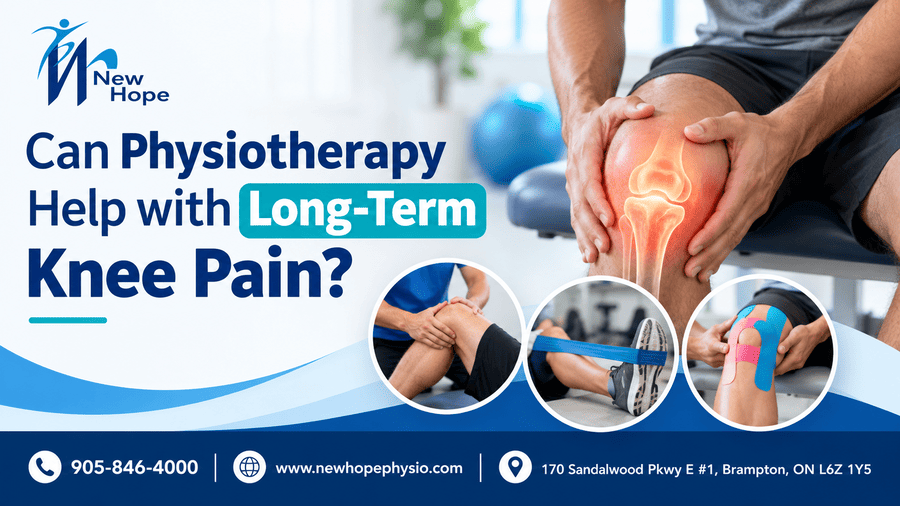
- K taping therapy Brampton – So, this technique used for faster recovery of person from injury . In this technique movement of certain muscles or joints restricted to guard them against strain. basically used for accidental or sports injuries
- Electrotherapy – it includes laser and ultrasound physiotherapy in Brampton and additionally used for the diagnosis and treatment of tissue swellings and pain associated with it.
- Corrective and preventive exercises – these exercises used to treat cases of post trauma or accidents or post surgeries for proper alignment and also function of the body.
Also Read : How To Alleviate Pelvic Girdle Pain During Pregnancy?
FAQS:
1. What is physiotherapy?
Physiotherapy is a treatment that helps reduce pain, improve movement, and support recovery from injury, surgery, or illness. It uses exercises, manual therapy, and advice to improve your body’s function.
2. What happens in a physiotherapy session?
In a session, the physiotherapist checks your condition, asks about your pain, and may do physical tests. Then they create a treatment plan that may include exercises or hands-on therapy.
3. Is physiotherapy painful?
Physiotherapy is usually not painful. Some exercises may feel a little uncomfortable at first, but they are designed to help you heal safely and improve over time.
4. What conditions can physiotherapy treat?
It can help with back pain, neck pain, joint problems, sports injuries, post-surgery recovery, and muscle stiffness.
5. Do I need a referral for physiotherapy?
In many places, you do not need a referral. You can directly book an appointment with a physiotherapist.
6. Does physiotherapy involve exercises?
Yes, exercises are an important part of physiotherapy. Your physiotherapist may recommend stretching, strengthening, and balance exercises based on your condition and fitness level.
6. How long does a physiotherapy session last?
A physiotherapy session usually lasts between 30 and 60 minutes. The exact time depends on your condition, treatment plan, and the clinic.
7. How many physiotherapy sessions will I need?
The number of sessions depends on your condition, pain level, and recovery progress. Your physiotherapist will recommend a treatment schedule based on your needs.
8. Do I need a doctor’s referral for physiotherapy?
In many cases, you can visit a physiotherapist directly without a doctor’s referral. However, some insurance plans or specific healthcare programs may require one. Check your coverage before your appointment.
9. What should I wear to a physiotherapy appointment?
Wear comfortable, loose-fitting clothes that allow you to move easily. Choose clothing that lets your physiotherapist assess the affected area, such as your knee, shoulder, or back.
10. What are the benefits of physiotherapy?
Physiotherapy can help reduce pain, improve flexibility, build strength, and restore movement. It can also help you return to daily activities and lower the risk of future injuries.
Also Read: World Arthritis Day 2026: Common Arthritis Mistakes to Avoid
Gauravdeep Randhawa, Registered Physiotherapist
Gauravdeep Randhawa is a caring and experienced physiotherapist with over 17 years of experience helping patients recover and improve their quality of life.
She started her own practice in Canada in 2009 and has treated many patients with muscle, joint, sports, neurological, and pelvic health conditions. She has also owned and operated multidisciplinary clinics.
Gauravdeep is a Certified Manual Therapist and has completed training in Contemporary Medical Acupuncture and Pelvic Floor Therapy. She uses hands-on treatment, personalized exercise programs, and evidence-based care to support each patient’s recovery.
Her goal is to help people reduce pain, restore movement, improve function, and achieve long-term wellness in a comfortable and supportive environment.

Leave a Comment