

Welcome to New Hope Physiotherapy
- Brampton 905-846-4000
- Malton 905-364-3900
- Orangeville 519-217-9300
- admin@newhopephysio.com
Top Myths and Facts About Acupuncture You Should Know
 6 Sep 2025
- newhope
- 0 Comments
- 1087
Top Myths and Facts About Acupuncture You Should Know
Acupuncture is an ancient practice that is steadily becoming recognized as a safe and effective therapy of a large number of pathologies. Although, some myths continue to exist about this therapy and as a result, people do not enjoy the full potential of the therapy. Many common myths and facts exist, and knowing them will help you understand the topic more clearly.
Also Read: World Physiotherapy Day 2026: Helping People Move Without Pain
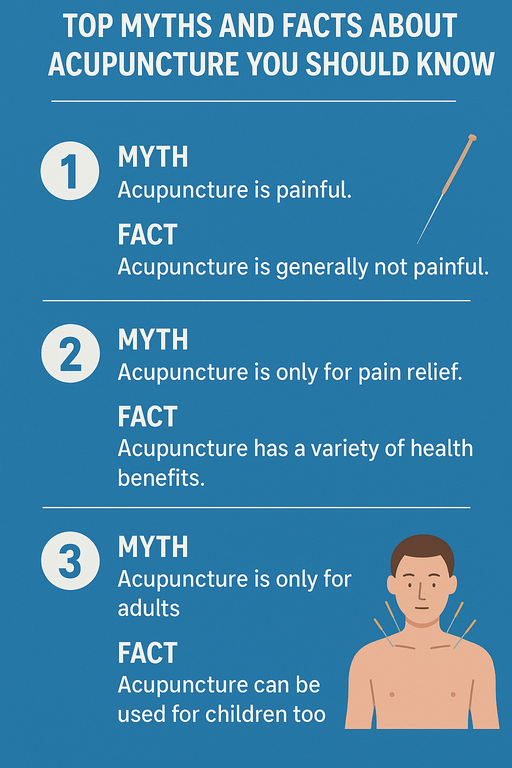
Myth 1: Acupuncture Is Painful
Also Read: World Arthritis Day 2026: Common Arthritis Mistakes to Avoid
Fact: It is not painful as many people would lead to believe. The needles applied are so thin, far finer than those employed in making injections. The patients mostly report that they experience a tingling sensation or warmth when the acupuncturist touches the acupuncture points. As a matter of fact, some individuals note that they rest during the session.
Myth 2: It Can Be Effectively Used to Treat Pain
Fact: Pain management is one of the more famous benefits of acupuncture, but it is not the only one. It also helps relieve stress, improve digestion, treat sleep problems, and restore the body’s overall energy balance. Even when a person types in acupuncture near me with back pain, they usually find out that the acupuncture has a great variety of uses.
Also Read: Sciatica: Causes, Treatment, Exercises, and Symptoms
Myth 3: Acupuncture and Dry Needling are the Same Thing
Fact: There is an often held belief that dry needling and acupuncture are the same thing. Although they both deal with the insertion of thin needles, their philosophies are different. The principle of functioning of dry needling consists in focusing on the muscle trigger points to de-tense them, whereas the functioning principle of stylostixis consists in the traditional Chinese circulation and the mechanism of reinstating the energy flow, or Qi, in the body.
Myth 4: Acupuncture Works Only in Adults
Fact: Many people mistakenly believe that acupuncture is unsuitable for children or older people, but practitioners safely adapt it for all age groups with proper guidance. Gentle treatments help pediatric and geriatric patients sleep, digest, and relax better.
Myth 5: Acupuncture Cannot be Scientifically Proved
Fact: scientific studies have been positive on discovering the mechanism of stylostixis. Research shows that stimulating certain acupuncture points can affect the nervous system. It can also improve blood flow and release natural painkillers in the body called endorphins. Clinics offering acupuncture in Toronto, Mississauga, and Brampton frequently highlight personal success stories alongside increasing clinical evidence.
Also Read: 5 Myths about Chiropractic Care for Kids You Shouldn’t Ignore
FAQs:
1. Is acupuncture very painful?
Myth: Acupuncture needles cause a lot of pain.
Fact: Acupuncture needles are very thin. Most people feel little or no pain when the needles are inserted. You may feel a small pinch, tingling, warmth, or mild pressure.
2. Are acupuncture needles the same as injection needles?
Myth: Acupuncture needles are large like medical injection needles.
Fact: Acupuncture needles are much thinner than needles used for injections or blood tests. They are designed to enter the skin gently.
3. Is acupuncture only used for pain?
Myth: Acupuncture is only useful for back pain or muscle pain.
Fact: Acupuncture is often used for different concerns, including headaches, neck pain, joint pain, muscle tension, stress, and some other conditions. Your healthcare provider can help determine whether acupuncture may be suitable for you.
4. Does acupuncture work after just one session?
Myth: One acupuncture treatment should completely fix the problem.
Fact: Some people may notice changes after one session, while others may need several treatments. The number of sessions can depend on your condition, symptoms, overall health, and how your body responds.
Also Read: Cupping Therapy: How Often Should You Schedule Sessions for Optimal Results?
5. Is acupuncture only for older adults?
Myth: Acupuncture is mainly for seniors.
Fact: Adults of many different ages may receive stylostixis. Treatment is usually adjusted based on the person’s health, symptoms, and needs.
6. Is acupuncture unsafe?
Myth: Acupuncture is dangerous because needles are placed into the body.
Fact: Acupuncture is generally considered safe when it is performed by a trained and qualified professional using sterile, single-use needles. Mild temporary effects such as soreness or bruising may sometimes occur.
Also Read: 10 Gentle Workouts to Help Lower Back Pain at Home
7. Can acupuncture replace all medical treatment?
Myth: Acupuncture can replace medication, physiotherapy, surgery, or medical care.
Fact: stylostixis may be used as part of a larger treatment plan. It should not automatically replace medical advice or treatment recommended by your doctor or other healthcare provider.
8. Is acupuncture only based on relaxation?
Myth: Acupuncture only works because people relax during treatment.
Fact: Relaxation can be one benefit of an acupuncture session, but stylostixis is also used as a treatment for certain types of pain and other symptoms. Research continues to study how stylostixis affects the nervous system and the body’s response to pain.
Also Read: 6 Myths And Facts About Chronic Pain
9. Do acupuncture needles stay in forever?
Myth: Acupuncture needles remain in the body for a very long time.
Fact: Needles are normally left in place for a limited period during the appointment and are removed before you leave. The exact treatment time may vary.
10. Is acupuncture suitable for everyone?
Myth: Anyone can receive stylostixis without discussing their health history.
Fact: stylostixis may not be suitable in every situation. Tell your practitioner if you are pregnant, taking blood-thinning medication, have a bleeding disorder, use a pacemaker, or have other important medical conditions.
Also Read: What Should You Not Do After Cupping?
Final Thoughts
Acupuncture is often misunderstood because of myths about needles, pain, and how treatment works. Learning the facts can help you feel more comfortable before your first appointment.
If you are considering acupuncture, speak with a qualified healthcare professional who can assess your symptoms and explain whether stylostixis may be appropriate for you.
Also Read: Shoulder Pain: Myths, Facts, and Expert Advice
Gauravdeep Randhawa, Registered Physiotherapist
Gauravdeep Randhawa is a caring and experienced physiotherapist with over 17 years of experience helping patients recover and improve their quality of life.
She started her own practice in Canada in 2009 and has treated many patients with muscle, joint, sports, neurological, and pelvic health conditions. She has also owned and operated multidisciplinary clinics.
Gauravdeep is a Certified Manual Therapist and has completed training in Contemporary Medical Acupuncture and Pelvic Floor Therapy. She uses hands-on treatment, personalized exercise programs, and evidence-based care to support each patient’s recovery.
Her goal is to help people reduce pain, restore movement, improve function, and achieve long-term wellness in a comfortable and supportive environment.
Medical Disclaimer:
This content is for general information only and is not a substitute for professional medical advice, diagnosis, or treatment. Always speak with a qualified healthcare professional before starting stylostixis or any new treatment.
Also Read: Acupuncture vs. Chiropractic: Which Treatment is Right for You?
Leave a Comment