
Welcome to New Hope Physiotherapy
- Brampton 905-846-4000
- Malton 905-364-3900
- Orangeville 519-217-9300
- admin@newhopephysio.com
Is it safe to undergo Physiotherapy during Pregnancy?
 4 Jun 2022
- admin
- 0 Comments
- 1536
Is it safe to undergo Physiotherapy during Pregnancy?
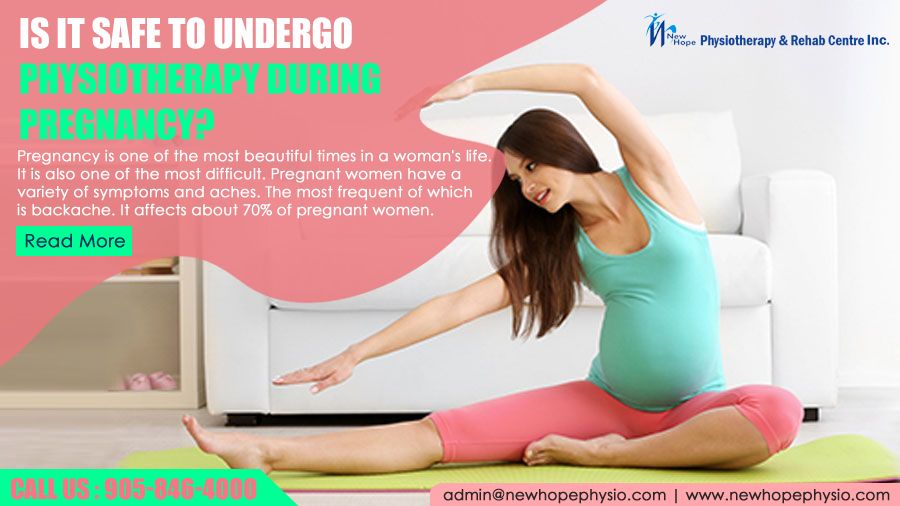
Pregnancy is one of the most beautiful times in a woman’s life. It is also one of the most difficult. Pregnant women have a variety of symptoms and aches. The most frequent of which is backache. It affects about 70% of pregnant women. In such instances, physiotherapy is your best bet.
Also Read : Living With Arthritis? Say Goodbye To Pain With Physiotherapy
Is Physiotherapy Harmful to a Pregnant Woman?
To begin, you should understand that physiotherapy is a medical treatment. It includes massages, heat therapy, exercise, and electrotherapy, among other things. It excludes all medications and surgical procedures.
This makes it an ideal method for treating problems during pregnancy. This is done as taking medications or undergoing surgery might be harmful. This also can be to your unborn child’s health.
Pregnancy is different for everyone. It could be your first or fifth child. The hardships are distinct. As a result, it’s difficult to come up with a definitive list of diseases. It regularly affects pregnant women. However, here are a few that can be addressed by a Physiotherapist in Brampton.
Also Read : How Our Physiotherapists Can Help After A Car Accident
Benefits of Pelvic Floor Therapy during Pregnancy
The following are some of the advantages of fitness for pregnant moms:
- The chances to reduces of premature labour.
- Reduces the chance of the birth of a small baby by increasing oxygen and nutrient delivery to the tissues.
- Weight gain Reduces and fat deposition by reducing physical discomforts and hastening recovery.
- Assists in making labour easier, shorter, and less complicated.
- Positive attitudes are improved.
- Immune function is improved.
- Increases energy levels.
- Reduces the incidence of gestational diabetes and improves sleep.
Also Read : 6 Ways To Find The Best Physiotherapist In Brampton For You
Ailments alleviated by physiotherapy
Carpal Tunnel Syndrome (CTS)
Carpal tunnel syndrome can cause symptoms. They can be numbness in the hands, pins, and needles, clumsiness in the hands, etc. It also helps with night-time hand pain, hand weakness, and wrist weakness. Hormones fluctuate dramatically during pregnancy. The volume of blood in the body increases dramatically during pregnancy. This can cause nerve compression.
Also Read: 5 Quick Home Remedies for Leg Cramp Relief and Prevention

As the wrist area is a bit tight, blood circulation in these places is hampered. This results in acute pain. You can learn the proper exercises for pain management. This can be through physiotherapy. Physical therapy’s joint ligament programme can be extremely beneficial in treating this problem.
Also Read : Top Three Reasons To Choose A Chiropractor Over A Physiotherapist
Existing injuries and their severity
If you have an old wound or injury, such as knee pain or a slipped disc. These symptoms will likely resurface during pregnancy and become serious. Physical therapy comes to the rescue in such situations. If you have a history of slipped discs, you should see an orthopaedic doctor. Follow his advice before enrolling in physiotherapy.
Sign up for prenatal fitness sessions of pregnancy physiotherapy near me if you have access to them. They are the workouts adapted for pregnancy. You’ll also have the opportunity to bond with your fellow expectant mothers. This will be over amusing symptoms like heartburn, swollen feet, and haemorrhoids. You might even receive labour advice.
Also Read : 10 Safe Ways to Treat Neck Pain during Pregnancy
Pregnancy Physiotherapy Exercises
If your favourite courses don’t provide pregnancy options, keep going as long as you pay attention to how your body feels. They must restrict your intensity and stay within your regular range of motion. Just make sure the instructor is aware of your pregnancy. He/she should be knowledgeable about any changes. If your instructor hasn’t worked with pregnant women before, look for one who has.
Also Read : Physical Therapy For Parkinson’s Disease
Yoga
Prenatal yoga not only strengthens your core and increases flexibility. It also promotes a sense of peace. It includes gentle movements and an emphasis on breathing and meditation. Exaggerated twists and movements that tug on your tummy. Techniques that need you to lie on your back or belly for long periods should avoided. Inversions like headstands and shoulder stands should all be avoided. This is in the second half of your pregnancy.
Also Read : How To Find Physiotherapy Near Me?
Aerobics in the Water
You won’t slip and tumble, overheat, feel like a huge clod for the first time. It’s no surprise that water aerobics is a popular third-trimester activity. Your joints will be grateful! Wear aqua shoes to avoid slipping on the pool’s bottom for the pelvic physiotherapy pregnancy near me.
Also Read : 15 Benefits Of Physical Therapy (PT)
Choosing the Right Program: Some Pointers
Expectant women today have a wide range of prenatal care choices to choose from. The key is to find the right pelvic floor physiotherapy. Be aware of therapy plans that are inert and increase joint tension. Do not incorporate exercise to improve muscle strength and flexibility.
Here are some characteristics to look for in physiotherapy in the first trimester of pregnancy:
-
- A certified professional is in charge of the project.
- Strengthening, increasing flexibility, and improving posture are all priorities.
- Included home-based aspects that you can do on your own.
- Looks for any flaws that could create an issue later
Pregnancy is the final test of a woman’s body. The role of physiotherapy in pregnancy can help to relieve this stress. Physical therapy can help to relieve this stress. Preventing or reducing the severity of uncomfortable symptoms with proactive strength, flexibility, and stabilisation is all provided. Our Physiotherapy Clinic in Brampton will help you have a more happy pregnancy experience.
Also Read : TMJ Physical Therapy For Pain
FAQs:
1. Is physiotherapy safe during pregnancy?
Yes, physiotherapy is generally safe during pregnancy when done by a trained professional. Therapists use gentle and safe techniques suitable for each stage of pregnancy.
2. What are the benefits of physiotherapy while pregnant?
It helps relieve back pain, reduce joint stiffness, improve posture, and prepare the body for an easier delivery.
3. Can physiotherapy help with pelvic pain during pregnancy?
Yes, physiotherapists can design specific exercises and treatments to manage pelvic and lower back pain commonly experienced during pregnancy.
Also Read: Why Pregnant Moms Get Leg Cramps at Night—And What to Do About It
4. Are there any risks involved?
When done under expert supervision, physiotherapy poses little to no risk. However, some intense treatments or positions are avoided for comfort and safety.
5. When should I start physiotherapy during pregnancy?
You can begin anytime after consulting your doctor. Most women start in the second trimester when the body begins to change more noticeably.
Also Read: 10 Best Exercises for Lower Back Pain Relief
6. Can I do pelvic floor physio while pregnant?
Yes. Pelvic floor physiotherapy is generally safe during pregnancy when provided by a qualified physiotherapist. It can help reduce pelvic pain, improve bladder control, prepare your body for childbirth, and support recovery after delivery. Your therapist will choose exercises that are safe for your stage of pregnancy.
7. Why shouldn’t you exercise on your back while pregnant?
After about 20 weeks of pregnancy, lying flat on your back for a long time can put pressure on a major blood vessel called the vena cava. This may reduce blood flow and make you feel dizzy or uncomfortable. Many exercises can be modified so you can safely exercise on your side, sitting, or standing.
8. What is the hardest month of pregnancy?
Every pregnancy is different, but many women find the eighth or ninth month the most challenging. As the baby grows, you may experience back pain, pelvic pressure, trouble sleeping, swelling, and tiredness. Regular gentle exercise, pelvic floor physiotherapy, and good rest can help manage these symptoms.
9. What age is pregnancy harder?
Pregnancy can become more challenging after the age of 35 because the risk of certain health conditions and pregnancy complications may increase. However, many women over 35 have healthy pregnancies with regular prenatal care, a healthy lifestyle, and support from their healthcare team.
10. Do older moms deliver early or late?
There is no single answer. Some older mothers deliver before their due date, while others go past it. Your due date depends on many factors, including your overall health, the baby’s development, and whether there are any pregnancy complications. Your healthcare provider will closely monitor your pregnancy and recommend the safest timing for delivery if needed.
Also Read: What Should You Not Do After Cupping?


Leave a Comment