
Welcome to New Hope Physiotherapy
- Brampton 905-846-4000
- Malton 905-364-3900
- Orangeville 519-217-9300
- admin@newhopephysio.com
Does Shockwave Therapy Help in Ankle Ligament Sprain?
 1 Jul 2024
- newhope
- 0 Comments
- 2964
Does Shockwave Therapy Help in Ankle Ligament Sprain?
An ankle ligament sprain is a type of injury that can bring about limitations in daily movement and disruption of normal living. This is usually caused by twisting or rolling of the ankle. It is an action that stretches or tears the ligament found within the joint. Simple sprains can feel better if you avoid putting weight on the injured area. However, severe ones may call for more efforts to cure before complications arise. Another new velocity of treatment that has drawn interest is shockwave therapy which can have the capacity to speed up healing in several muscular skeletal injuries. But, does shockwave therapy aid in the stability of ankle ligament sprains? Now let us take a closer look at this question closer.
Also Read: Frozen Shoulder vs. Rotator Cuff Tear: Key Differences and Symptoms
Reasons for Ankle Pain
Ankle pain has many causes, ranging from unsuitable gait or feeding habits to pathological processes. Here are some of the typical causes of ankle pain:
- Ankle Sprains: Ankle sprain and hence inflammation pain is due to improper motion which strains the ligaments of the foot.
- Arthritis: It is a qualifier for joint disability and can happen to the ankle joint leading to stiffness and pains.
- Fractures: In this area, fractures are sure to be accompanied by extreme unbearable pain.
- Tendonitis: Pain can arise from tendinitis of the tendons located in the area of the ankle.
- Sports Injuries: Sports, of any nature, that are done may cause an injury to the ankle as well as pain.
- Medical conditions like gout or neuropathy: These conditions can result in long-term or persistent ankle pain.
Benefits of Shockwave Therapy in Ankle Pain
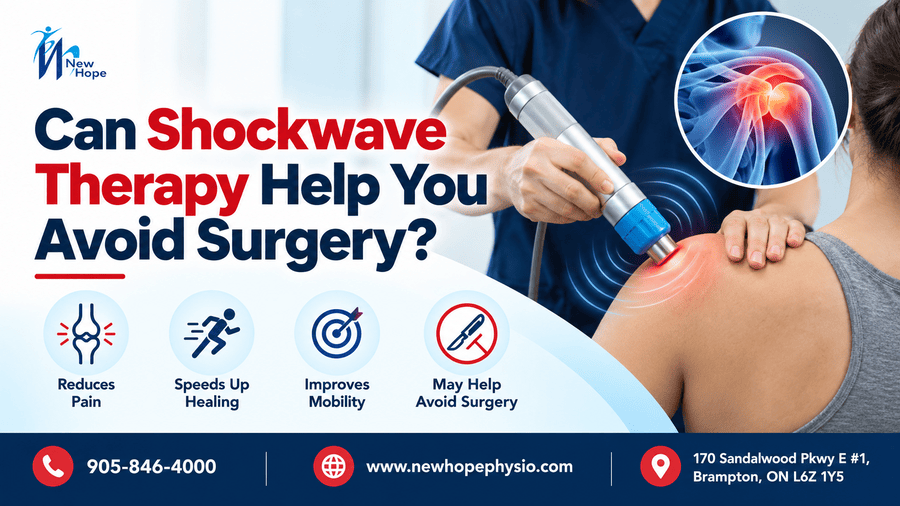
Several advantages are accorded to non-surgical treatment especially shockwave therapy especially when delivered within the ankle. It includes the application of effective sound waves on the affected bone tissue to stimulate the process of bone regeneration.
1. Prompt Healing: The extracorporeal shock wave treatment is a noninvasive treatment method that uses sound waves at high intensity to aid in the healing process. It assists in the process of tissue repair which is beneficial in cases with muscular and or ligament problems making it suitable for chronic or repetitive pain in the ankle joint.
2. Decreased Dependence on Medications: Many of the recommended treatments for the management of ankle pain involve the use of pain-relieving drugs with side effects on the body. Stress wave treatment offers an opportunity to manage aches without using drugs or performing additional procedures. It is an appealing option for people who idealize non-pharmacological approaches to therapy.
Also Read: 10 Gentle Workouts to Help Lower Back Pain at Home
3. Enhanced Quality of Life: Ankle pain, thus, has the potential to reduce the quality of life. The ankle is crucial in carrying out daily activities or participation in hobbies. Shockwave treatment is beneficial in relieving pain and supporting the improvement of the patient’s range of motion. This ability enables them to perform their everyday tasks and even enhance their quality of life.
4. Safe and Non-Invasive: The use of Shockwave therapy for ankle pain is also attainable with no invasive surgical operations and unlike most other treatment methods. This does not require any surgical operations of cutting or the administration of any anesthesia. It has minimal side effects. As such, it proves more helpful for individuals who prefer going for more complex procedures.
Therefore, shockwave therapy is an effective treatment for individuals experiencing ankle pain.
Also Read: Cupping Therapy: How Often Should You Schedule Sessions for Optimal Results?
FAQs:
Q1. What is shockwave therapy for ankle sprains?
Shockwave therapy is a non-invasive treatment that uses sound waves to improve blood flow, reduce pain, and speed up healing in injured ligaments.
Q2. Can shockwave therapy help in ankle ligament sprain recovery?
Yes. It may reduce pain, improve mobility, and support faster recovery in mild to moderate ankle ligament sprains.
Q3. How many sessions of shockwave therapy are needed?
The number of sessions depends on the severity of the injury. Many patients feel relief after 3–5 sessions.
Q4. Is shockwave therapy safe for ankle sprains?
Yes. It is generally safe, non-surgical, and has minimal side effects like mild soreness or redness at the treated area.
Q5. Who should consider shockwave therapy for ankle ligament sprains?
It is recommended for people with ongoing pain, stiffness, or slow healing after an ankle sprain, especially when regular treatments are not enough.
Also Read: 5 Quick Home Remedies for Leg Cramp Relief and Prevention
Q6. Does shockwave help a sprained ankle?
Yes. Shockwave therapy may help reduce pain and support healing in some ankle sprains. It is often used along with exercises and physiotherapy.
Q7. Can shockwave therapy heal ligaments?
Shockwave therapy can stimulate blood flow and healing, but it does not instantly repair damaged ligaments. Recovery also depends on the severity of the injury.
Q8. What helps ankle ligaments heal faster?
Rest, ice, compression, elevation, physiotherapy, and following your healthcare provider’s advice can help ankle ligaments recover more quickly.
Q9. Where should you not use shockwave therapy?
Shockwave therapy should not be used over open wounds, areas with infections, blood clots, or certain medical conditions. A professional assessment is important before treatment.
Also Read: 10 Safe Ways to Treat Neck Pain during Pregnancy
Q10. How long do ankle ligaments take to fully heal?
Mild ankle ligament injuries may heal in a few weeks, while severe sprains can take several months for complete recovery.
Q11. Should you walk after shockwave therapy?
Light walking is usually allowed after treatment. However, avoid high-impact activities if your therapist recommends rest.
Q12. What should you avoid before shockwave therapy?
Avoid anti-inflammatory medications, heavy exercise, and alcohol before treatment unless your healthcare provider advises otherwise.
Q13. How many times can I do shockwave therapy?
Most people need 3 to 6 sessions, depending on their condition. Your physiotherapist will recommend the number of treatments that is best for you.
Also Read: What Should You Not Do After Cupping?
Conclusion
Thus, shockwave treatment could also be viewed as a viable intervention option in the treatment of ankle ligament sprains. Creative therapies also enhance the clients’ health through a quick recovery process, and reduced medication consumption. It is efficient with minimal adverse symptoms. Though it still has room for improvement, these recent studies tie it to effective rehabilitation. It also considers rebuilding of the ligaments that gets involved in a sprained ankle.
Also Read: 5 Common Types of Back Pain You Should Know

Leave a Comment