
Welcome to New Hope Physiotherapy
- Brampton 905-846-4000
- Malton 905-364-3900
- Orangeville 519-217-9300
- admin@newhopephysio.com
Difference Between Acupuncture and Cupping Therapy
 26 Apr 2023
- newhope
- 0 Comments
- 2145
Difference Between Acupuncture and Cupping Therapy
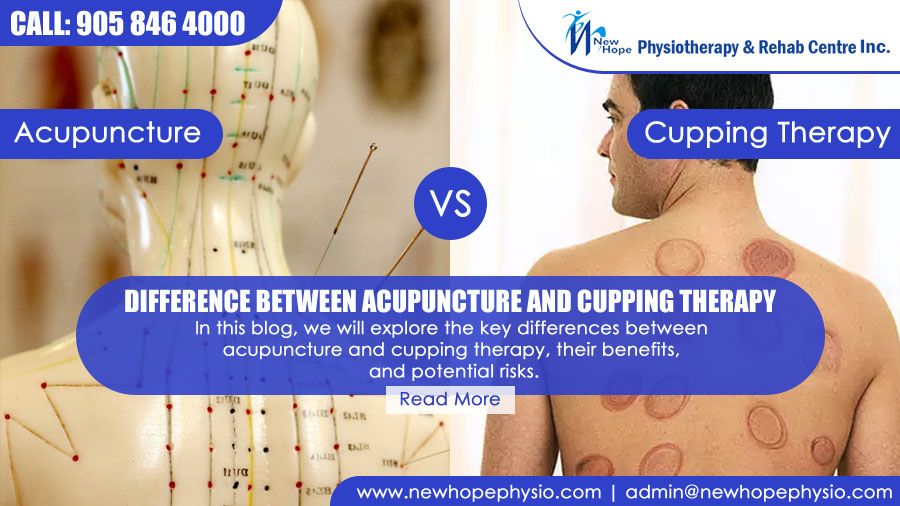
Acupuncture and cupping therapy are two popular complementary therapies that have been used for centuries to improve health and well-being. While both techniques involve the application of pressure to specific points on the body, they differ in their approach, tools, and intended outcomes. In this blog, we will explore the key differences between acupuncture and cupping therapy, their benefits, and potential risks.
Also Read: What Should You Not Do After Cupping?
Acupuncture:
Acupuncture is an ancient Chinese medical practice that involves the insertion of thin needles into specific points on the skin. These points, also known as acupoints, correspond to different parts of the body and are believed to be connected by pathways of energy or Qi. By stimulating these points, acupuncturists aim to balance the flow of Qi and restore harmony to the body.
Also Read: Shoulder Pain Solutions: 7 Essential Exercises for Quick Relief
Tools:
Acupuncturists use thin, sterile needles made of stainless steel or other materials. These needles can be as fine as a human hair and are typically inserted to a depth of 1/4 to 1 inch, depending on the location and the condition being treated.
Benefits:
Acupuncture has been used to treat a variety of conditions, including chronic pain, migraines, anxiety, depression, infertility, and digestive disorders. Studies have shown that acupuncture may help to reduce inflammation, improve circulation, boost the immune system, and promote relaxation.
Also Read: 5 Quick Home Remedies for Leg Cramp Relief and Prevention
Risks:
Acupuncture is generally considered safe when performed by a trained and licensed practitioner. However, there is a small risk of infection, bleeding, or nerve damage if the needles are not inserted correctly. Patients with bleeding disorders, pacemakers, or certain medical conditions may not be suitable candidates for acupuncture.
Cupping Therapy:
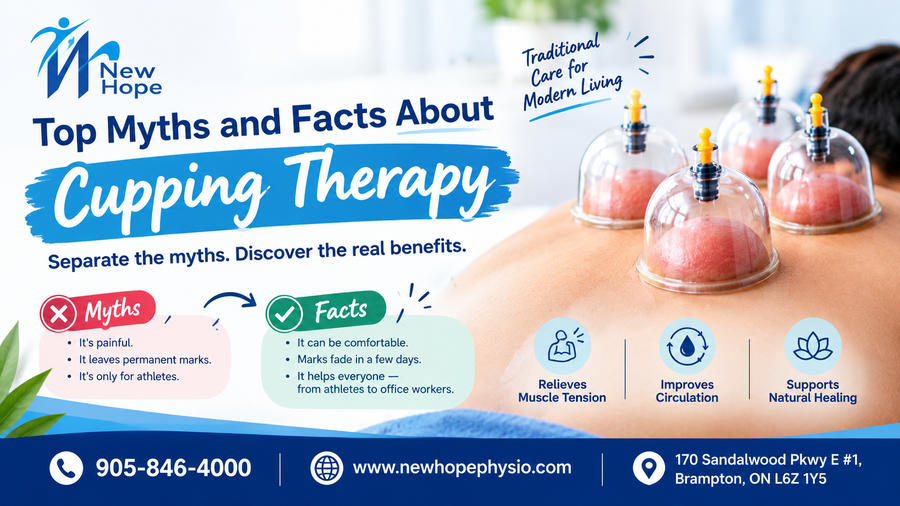
Cupping therapy is a traditional Chinese medicine practice that involves placing cups on the skin to create suction. The suction is created either by using heat (fire cupping) or a pump (air cupping) to remove the air from the cups. The cups are left in place for several minutes, creating a vacuum effect that pulls the skin and underlying tissue upward.
Tools:
Cupping therapy requires special cups made of glass, bamboo, or silicone. Fire cupping involves heating the air inside the cup with a flame, then quickly placing the cup on the skin to create suction. Air cupping uses a pump to create suction in the cup without the use of heat.
Also Read: Before Cupping vs. After Cupping: Real-Life Experiences
Benefits:
Cupping therapy has used to treat a variety of conditions, including chronic pain, respiratory issues, and skin disorders. Proponents of cupping therapy claim that it can help to improve circulation, reduce inflammation, and promote relaxation.
Risks:
Cupping therapy generally considered safe when performed by a trained and licensed practitioner. However, there is a risk of skin irritation, burns, or bruising from the cups. Patients with bleeding disorders, skin conditions, or who are pregnant should not undergo cupping therapy.
Also Read: Unravelling the Mystery: Dry Needling vs. Acupuncture
Acupuncture vs. Cupping Technique:
Acupuncture involves inserting thin needles into the skin at specific acupoints, which may cause a mild, temporary sensation of tingling, warmth, or pressure. The needles left in place for 20-30 minutes before removed. Cupping therapy, on the other hand, involves placing cups on the skin and creating suction to pull the skin and underlying tissue upward. The cups left in place for several minutes before removed.
Acupuncture vs. Cupping Tools:
Acupuncturists use thin, sterile needles made of stainless steel or other materials. These needles can as fine as a human hair and typically inserted to a depth of 1/4 to 1 inch, depending on the location and the condition treated. Cupping therapy requires special cups made of glass, bamboo, or silicone.
Also Read: 10 Best Exercises for Lower Back Pain Relief
Acupuncture vs. Cupping Benefits:
Acupuncture has found to effective in treating a range of conditions, including chronic pain, migraines, anxiety, depression, infertility, and digestive disorders. Cupping therapy may also help to relieve pain, promote relaxation, and improve circulation. Some studies have suggested that cupping therapy may effective in reducing pain and muscle tension, but more research needed to confirm its effectiveness.
Also Read: What are the 7 Core Principles of Physiotherapy?
Acupuncture vs. Cupping Risks:
Acupuncture generally considered safe when performed by a licensed practitioner, but there is a small risk of infection, bleeding, or nerve damage if the needles not inserted correctly. Cupping therapy also considered safe, but there a risk of skin irritation, burns, or bruising from the cups. Patients with bleeding disorders, skin conditions, or who are pregnant should not undergo cupping therapy.
Conclusion:
While acupuncture and cupping therapy share some similarities, they differ in their techniques, tools, and intended outcomes. Acupuncture involves the insertion of needles into specific points on the skin to stimulate the flow of energy and promote healing. Cupping therapy, on the other hand, uses cups to create suction and promote circulation. Both therapies have used for centuries to treat a variety of conditions and generally considered safe when performed by a trained and licensed practitioner. However, patients should always consult with their healthcare provider before trying any new therapies or treatments.
Also Read: 10 Gentle Workouts to Help Lower Back Pain at Home
FAQs:
1. Should I do cupping or acupuncture first?
It depends on your condition and your therapist’s recommendation. Most acupuncturists start with acupuncture to relax the body and improve energy flow. They then use cupping to release muscle tightness. Your therapist will choose the best order for your treatment.
2. Is cupping therapy considered acupuncture?
No. Cupping therapy and acupuncture are different treatments. Acupuncture uses very thin needles placed at specific points on the body. Cupping uses special cups to create gentle suction on the skin. Both are traditional therapies and are often used together.
3. Can I do cupping and acupuncture the same day?
Yes. Many people receive both treatments during the same appointment. Combining them may help reduce pain, improve blood flow, and relax tight muscles. Your therapist will decide if both treatments are suitable for you.
4. Where shouldn’t you do cupping?
Your therapist should avoid placing cups on broken skin, open wounds, burns, skin infections, areas with severe swelling, large varicose veins, or other sensitive areas. A trained therapist will know where it is safe to place the cups.
5. Why can’t you shower after cupping?
It is usually recommended to wait a few hours before taking a hot shower. Your skin may be more sensitive after cupping, and hot water can irritate the treated area. If needed, a lukewarm shower is generally a better choice.
Also Read: 5 Common Types of Back Pain You Should Know
6. What are the signs acupuncture is working?
Many people notice less pain, reduced muscle tension, better movement, improved sleep, and a greater sense of relaxation. Some feel relief after the first session, while others may need several treatments to notice improvements.
7. What should I do immediately after cupping?
Drink plenty of water, rest if needed, and keep the treated area warm. Avoid heavy exercise, alcohol, and hot baths for the rest of the day. Mild marks or bruises are normal and usually fade within a few days.
8. Why avoid dairy after cupping?
Some traditional medicine practitioners recommend limiting dairy because it may increase mucus or slow digestion in some people. However, scientific evidence supporting this advice is limited. Instead, focus on eating a healthy, balanced diet and drinking plenty of water to support your recovery.
9. What should I do before cupping?
Eat a light meal one to two hours before your appointment. Drink water, wear comfortable clothing, and avoid arriving with an empty stomach. Tell your therapist about any medications or health conditions before treatment.
10. Is acupuncture covered by insurance?
Many health insurance plans include coverage for acupuncture, but the amount and conditions vary by provider and policy. Check with your insurance company to confirm your benefits before booking an appointment.
11. What should I do to prepare for my first acupuncture session?
Wear loose, comfortable clothing and have a light meal before your visit. Stay hydrated and bring a list of your symptoms, medications, and any questions you may have. Try to arrive a few minutes early so you can relax before the session.
12. How long does a typical session last?
A typical acupuncture or cupping session usually lasts 30 to 60 minutes. Your first appointment may take a little longer because the therapist will discuss your health history, symptoms, and treatment goals before starting treatment.
Also Read: Frozen Shoulder vs. Rotator Cuff Tear: Key Differences and Symptoms
Leave a Comment