
Welcome to New Hope Physiotherapy
- Brampton 905-846-4000
- Malton 905-364-3900
- Orangeville 519-217-9300
- admin@newhopephysio.com
Exploring the 5 Benefits of Laser Therapy for Pain Management
 13 Jun 2023
- newhope
- 0 Comments
- 1514
Exploring the 5 Benefits of Laser Therapy for Pain Management
If you’re dealing with chronic pain, a sports injury, or slow recovery after surgery, you’ve probably tried a few things already. Medication. Rest. Maybe physio. But there’s another option that more people are turning to — laser therapy.
It’s non-invasive, painless, and backed by growing research. Here’s everything you need to know.
Also Read: 10 Gentle Workouts to Help Lower Back Pain at Home
What is Laser Therapy?
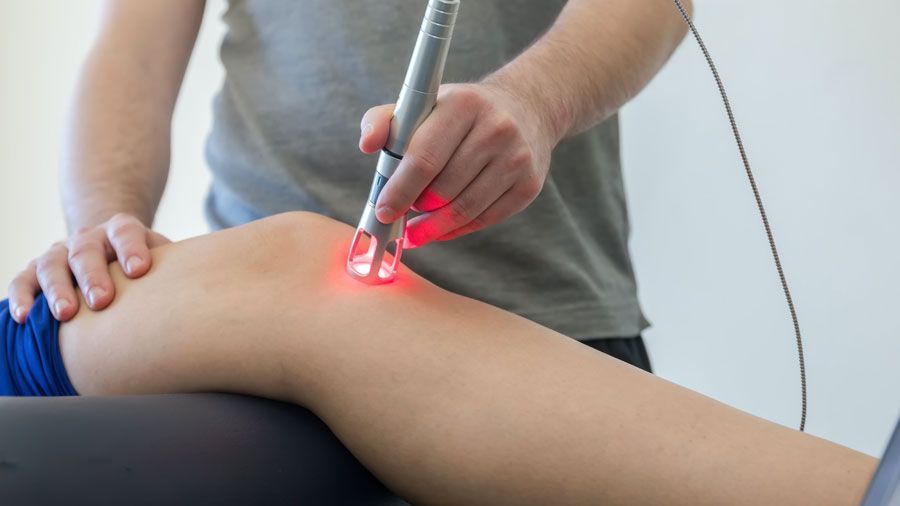
Laser therapy — also called low-level laser therapy (LLLT) or photobiomodulation — uses focused light energy to help your body heal. A device is held over the painful area. The light penetrates your skin and gets to work at the cellular level.
It doesn’t cut. It doesn’t inject. It doesn’t hurt.
How Does It Actually Work?
Here’s a simple breakdown of what happens inside your body during a session:
⚡ Energizes Your Cells
The light is absorbed by your cells’ mitochondria — the part that produces energy. This boosts cell metabolism and triggers your body’s natural repair process.
🩸 Improves Blood Flow
Laser therapy widens blood vessels, which increases circulation to the treated area. More blood flow means more oxygen and nutrients reaching damaged tissue — and faster healing.
🔥 Reduces Inflammation
Inflammation causes pain. Laser therapy reduces the chemicals in your body that drive inflammation and promotes anti-inflammatory responses instead.
💊 Natural Pain Relief
The therapy blocks pain signals from reaching your brain. It also triggers the release of endorphins — your body’s own natural painkillers.
🔧 Repairs Damaged Tissue
By boosting cell activity, laser therapy speeds up the production of new proteins and helps tissue regenerate. This is especially useful after injuries or surgery.
💪 Strengthens Tissue
Laser therapy stimulates collagen production. Collagen is the protein that holds tendons, ligaments, and skin together. More collagen means stronger, more resilient tissue.
Also Read: 5 Quick Home Remedies for Leg Cramp Relief and Prevention
5 Key Benefits of Laser Therapy
1. It’s Non-Invasive and Painless
This is one of the biggest reasons people choose laser therapy.
- No cuts, no needles, no stitches
- Most people feel only a gentle warmth or mild tingling
- Sessions are quick — typically 5 to 30 minutes
- No recovery time needed — you can go straight back to your day
- Safe for people who are sensitive to touch or have low pain tolerance
It’s a treatment you can fit into your lunch break.
2. It Speeds Up Healing
Laser therapy doesn’t just mask pain — it helps your body fix the problem.
- Increases blood flow so damaged tissue gets what it needs to heal
- Boosts cellular energy to speed up repair
- Promotes collagen production for stronger tissue
- Reduces scar tissue formation after soft tissue injuries
- Supports nerve regeneration in cases of nerve damage
For athletes or anyone wanting to recover and get back to normal life faster, this matters a lot.
3. It Provides Real, Lasting Pain Relief
Unlike painkillers that wear off, laser therapy works on the underlying cause of your pain.
Here’s how it delivers relief:
| Mechanism | What It Does |
|---|---|
| Targets inflammation | Reduces swelling at the source |
| Blocks pain signals | Interrupts pain messages to the brain |
| Releases endorphins | Natural pain relief from within |
| Repairs tissue | Less damage = less pain over time |
| Modulates nerve sensitivity | Makes nerves less reactive to pain |
Many patients report that pain continues to improve even after their sessions are complete — because the healing keeps going.
4. It’s Versatile and Personalized
Laser therapy isn’t a one-size-fits-all treatment. Your therapist can adjust:
- Intensity — how strong the light energy is
- Duration — how long each session lasts
- Frequency — how often you come in
It can be used on almost any part of the body and treats a wide range of conditions, including:
- Arthritis and joint pain
- Tendonitis and sprains
- Back and neck pain
- Fibromyalgia
- Sports injuries
- Post-surgical recovery
- Neuropathic (nerve) pain
It also works well alongside physiotherapy, chiropractic care, and other treatments — often making them more effective.
Also Read: 5 Common Types of Back Pain You Should Know
5. Minimal Side Effects
Compared to surgery or long-term medication, laser therapy is remarkably low-risk.
- No drugs involved — so no risk of dependency or drug interactions
- Non-invasive — no infection risk, no scarring
- Rarely causes side effects
- When side effects do occur, they’re mild — slight redness or temporary skin sensitivity that fades quickly
- Safe for most people, including those who can’t tolerate strong medications
The key is working with a trained, qualified professional who can tailor the treatment safely to your needs.
Who Is Laser Therapy For?
Laser therapy is a good fit if you:
✅ Have chronic pain that hasn’t responded well to other treatments
✅ Want to avoid surgery or reduce your reliance on pain medication
✅ Are recovering from a sports injury or surgical procedure
✅ Have nerve pain or a condition involving tissue damage
✅ Want a safe, drug-free option to add to your existing treatment plan
Frequently Asked Questions
1. How many laser therapy sessions will I need?
It depends on your condition and how your body responds. Acute injuries may improve in just 3–6 sessions. Chronic conditions often require 8–12 sessions or more. Your therapist will monitor your progress and adjust the plan as needed. Most people start noticing improvement within the first few visits.
2. Is laser therapy safe? Are there any risks?
Yes, laser therapy is considered safe when performed by a trained professional. Side effects are rare and typically mild — such as brief skin redness at the treatment site. It is not recommended for use over cancerous tissue, directly on the eyes, or during pregnancy without medical guidance. Always disclose your full medical history before starting treatment.
3. Does laser therapy hurt?
No. Most people find it completely comfortable. You may feel a gentle warmth or light tingling during the session, but there is no pain. The device doesn’t touch your skin with heat or pressure — it simply emits focused light energy.
4. How is laser therapy different from other light therapies like infrared or red light therapy?
All of these use light to support healing, but they differ in wavelength, intensity, and depth of tissue penetration. Low-level laser therapy (LLLT) used in clinical settings is more precise and powerful than most consumer red light devices. A physiotherapy clinic uses medical-grade equipment calibrated for your specific condition — which produces better, more consistent results.
Also Read: 5 Common Types of Back Pain You Should Know
5. Can laser therapy be combined with physiotherapy?
Absolutely — and it often works best that way. Laser therapy reduces pain and inflammation, which can make your physiotherapy exercises easier and more effective. Many clinics offer both in the same visit. Together, they address both the symptoms and the underlying cause of your pain, giving you faster and longer-lasting results.
Conclusion
It has emerged as a game-changer in the field of pain management. Its non-invasive nature, painless application, accelerated healing properties, and effective pain relief make it an attractive option for individuals seeking relief from various types of pain. As laser therapy continues to advance, it holds great promise for transforming the way we manage pain, helping countless individuals regain their quality of life and well-being.
If you’re dealing with chronic pain or considering alternative pain management options. Consult with a healthcare professional to determine if it is suitable for your condition. Always seek guidance from qualified experts who can assess your unique circumstances and develop a personalized treatment plan.
Also Read: What Should You Not Do After Cupping?
Leave a Comment