

Welcome to New Hope Physiotherapy
- Brampton 905-846-4000
- Malton 905-364-3900
- Orangeville 519-217-9300
- admin@newhopephysio.com
What are the 7 Core Principles of Physiotherapy?
 7 Jun 2023
- newhope
- 0 Comments
- 7191
What are the 7 Core Principles of Physiotherapy?
Physiotherapy is more than just exercises and stretches. It’s a structured, science-backed approach to helping people move better, feel better, and live better.
But what guides a physiotherapist’s decisions? What makes one treatment plan different from another?
The answer lies in seven core principles. These are the foundation of every good physiotherapy practice. Here’s what they mean — and why they matter to you.
Also Read: 10 Gentle Workouts to Help Lower Back Pain at Home
At a Glance: The 7 Principles
| # | Principle |
|---|---|
| 1 | Individualized Assessment and Treatment |
| 2 | Evidence-Based Practice |
| 3 | Patient Education and Empowerment |
| 4 | Active Participation and Exercise |
| 5 | Manual Therapy and Hands-On Techniques |
| 6 | Continuity of Care and Collaboration |
| 7 | Outcome Measurement and Quality Assurance |
1. 🧍 Individualized Assessment and Treatment
No two patients are the same. So no two treatment plans should be either.
Before anything else, your physiotherapist takes the time to understand you — your history, your condition, your lifestyle, and your goals. This shapes everything that follows.
What this looks like in practice:
- A detailed review of your medical history and current symptoms
- Physical tests to measure strength, flexibility, balance, and movement
- A treatment plan built specifically around your needs and goals
- Regular check-ins to track your progress and adjust the plan
- Teaching you exercises and strategies you can use at home
The goal is simple: get you the right treatment — not a generic one.
Also Read: What are the 7 Core Values of Physical Therapy?
2. 🔬 Evidence-Based Practice
Good physiotherapy is grounded in science. Your therapist doesn’t guess — they use what the research says works.
Evidence-based practice means:
- Staying up to date with the latest research and clinical studies
- Combining research findings with hands-on clinical experience
- Taking your personal preferences and values into account
- Following established clinical guidelines and best practices
- Measuring results to make sure the treatment is actually working
This combination — research + experience + your input — leads to better, safer outcomes.

3. 📚 Patient Education and Empowerment
A good physiotherapist doesn’t just treat you. They teach you.
Understanding your condition changes everything. When you know what’s happening in your body and why, you can make better decisions, manage symptoms at home, and avoid future injury.
What patient education covers:
- What your condition is and what causes it
- How your treatment plan works and why
- Exercises and stretches you can do independently
- Posture, movement habits, and ergonomic adjustments
- How to manage pain without always needing a clinic visit
- How to prevent the problem from coming back
This isn’t just about recovery. It’s about long-term independence.
Also Read: Shoulder Pain Solutions: 7 Essential Exercises for Quick Relief
4. 🏋️ Active Participation and Exercise Prescription
Physiotherapy is not passive. You’re not just lying on a table while someone works on you. You’re an active part of your own recovery.
Exercise is one of the most powerful tools in physiotherapy — but only when it’s done right.
How exercise is prescribed:
- Your strength, mobility, and function are assessed first
- Exercises are chosen based on your specific condition and goals
- Programs start at the right level and gradually get harder as you improve
- Proper technique is taught to keep you safe and maximize results
- Exercises are varied to keep things engaging and effective
- Movements mirror real-life activities so you can apply the gains
The aim is always to get you back to doing what you love — safely and confidently.
Also Read: Exploring the 5 Benefits of Laser Therapy for Pain Management
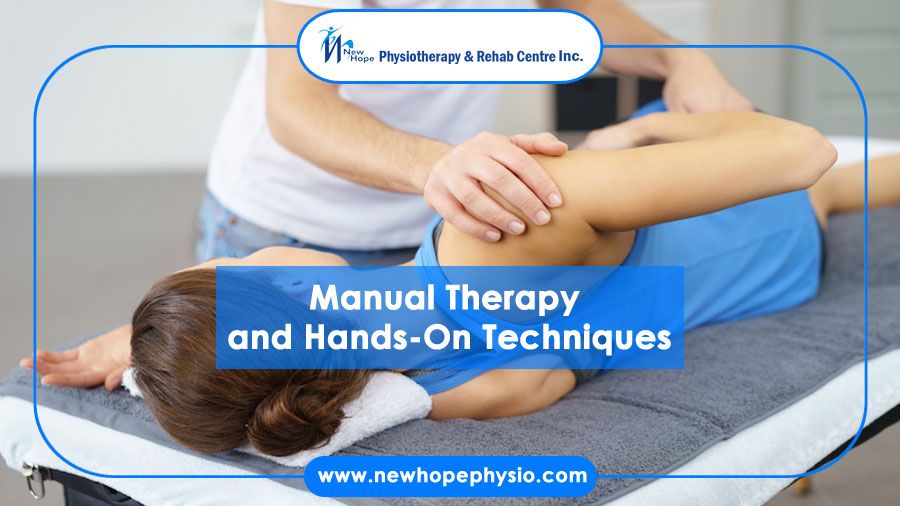
5. 🙌 Manual Therapy and Hands-On Techniques
Sometimes the most effective treatment is the therapist’s hands.
Manual therapy is a collection of hands-on techniques used to reduce pain, restore movement, and improve function. It works alongside exercise — not instead of it.
Common manual therapy techniques:
| Technique | What It Does |
|---|---|
| Soft Tissue Mobilization | Releases muscle tension, improves circulation |
| Joint Mobilization | Restores joint movement, reduces stiffness |
| Spinal Manipulation | Realigns the spine, reduces back and neck pain |
| Neural Mobilization | Relieves nerve-related pain and restriction |
| Manual Stretching | Improves flexibility and muscle length |

Your therapist will also show you self-care versions of some techniques you can do at home between sessions.
6. 🤝 Continuity of Care and Collaboration
Recovery doesn’t happen in isolation. It takes a team.
Physiotherapists work closely with doctors, specialists, occupational therapists, and other healthcare providers to make sure your care is coordinated and consistent.
What continuity of care looks like:
- Smooth handoffs between different stages of your treatment
- Sharing your progress reports and treatment plans with your healthcare team
- Coordinating referrals when you need specialist input or imaging
- Planning your transition back to home or community life
- Regular communication with you and your family throughout
- Ongoing follow-up after your main treatment ends
You should never feel like you’re starting from scratch every time you see someone new.
Also Read: The Path to Becoming an Acupuncturist in Canada: How Long Does It Take?
7. 📊 Outcome Measurement and Quality Assurance
How do you know if the treatment is working? You measure it.
Physiotherapists track your progress using reliable tools and tests. This keeps your care on track and ensures you’re getting real results — not just showing up to appointments.
How outcomes are measured:
- Physical tests — strength, range of motion, balance, functional movement
- Pain scales — like the Visual Analog Scale (VAS)
- Mobility tests — like the Timed Up and Go (TUG) test
- Quality of life questionnaires
- Your own feedback on how you’re feeling and functioning
If something isn’t working, these measures help your therapist spot it early and change course. This is how physiotherapy stays evidence-based and patient-centered at the same time.
Also Read: 5 Quick Home Remedies for Leg Cramp Relief and Prevention

Why These 7 Principles Matter
Together, these principles ensure that every patient receives:
✅ A treatment plan made for them — not copied from a textbook
✅ Care grounded in real science — not guesswork
✅ The knowledge to manage their own health long-term
✅ An active role in their own recovery
✅ Hands-on treatment that actually addresses the root problem
✅ Coordinated support across their entire healthcare journey
✅ Measurable results they can see and feel
Medical Disclaimer
This information is for general education only and is not a substitute for professional medical advice, diagnosis, or treatment. Physiotherapy exercises and treatments should be chosen based on your individual needs and condition. Always consult a qualified physiotherapist or healthcare professional before starting a new treatment or exercise program.
Frequently Asked Questions
Physiotherapy can feel complex, especially if it’s your first time. Here are honest answers to the questions patients ask most often.
Also Read: 10 Safe Ways to Treat Neck Pain during Pregnancy
1. Do I need a referral to see a physiotherapist in Ontario?
No. In Ontario, physiotherapy is a direct-access profession — you can book an appointment without a doctor’s referral. However, some insurance plans require a physician’s referral before they’ll reimburse your sessions. If you were injured in a car accident, your auto insurer may cover physiotherapy directly. Always check your specific coverage before your first appointment.
2. How long does a physiotherapy treatment plan usually take?
It depends on your condition and how your body responds. A simple sprain might resolve in 4–6 sessions over a few weeks. A post-surgical recovery or chronic condition may take several months of consistent work. Your physiotherapist will give you a realistic timeline after your initial assessment — and will adjust the plan as you progress.
Also Read: 5 Common Types of Back Pain You Should Know

3. What’s the difference between physiotherapy and chiropractic care?
Both address pain and movement, but from different angles. Physiotherapists focus on exercise-based rehabilitation, movement retraining, and a broad range of hands-on techniques. Chiropractors specialize primarily in spinal and joint adjustments. The two approaches complement each other well, and many patients benefit from both at different points in their recovery.
4. Will physiotherapy hurt?
Some discomfort is normal — especially when working on stiff joints, tight muscles, or an area that’s been painful for a long time. Your therapist will always work within your tolerance and explain what to expect. Any soreness after a session usually fades within 24–48 hours. If something feels sharp or wrong, speak up — your therapist will adjust immediately.
5. Can physiotherapy help with conditions beyond injuries — like chronic pain or neurological conditions?
Absolutely. Physiotherapy is highly effective for chronic pain conditions like fibromyalgia, arthritis, and lower back pain. It also plays an important role in rehabilitation after strokes, managing symptoms of Parkinson’s disease, and improving function in people with multiple sclerosis.
Also Read: What Should You Not Do After Cupping?
6. What do you do in your first physio appointment?
During your first visit, the therapist will discuss your symptoms, review your medical history, assess your movement, and create a treatment plan for your recovery.
7. Do I have to take my clothes off for physio?
No, you usually do not need to remove all your clothes. Wear comfortable clothing, and your therapist will only ask you to expose the area being treated if necessary.
8. How much is 1 hour of physiotherapy?
The cost of a one-hour physiotherapy session varies by clinic and location. Prices can range from about $80 to $150 or more.
9. Does insurance cover your services?
The coverage of physiotherapy services varies depending on your insurance provider and plan. Many insurance plans cover physiotherapy, but the amount of coverage and specific services can vary. It is always best to check with your insurance provider to understand your coverage and associated costs. If you have a workplace health plan, your employer may offer extended health benefits that cover physiotherapy services.
10. How long does it take to see results from physiotherapy?
The length of time it takes to see results from physiotherapy will depend on the nature of your condition or injury and your individual needs and goals. In some cases, you may see improvement after just a few sessions. Your physiotherapist will work with you to develop a treatment plan tailored to your specific needs and will provide regular updates on your progress to ensure that you see the desired results.
Also Read: What Are the 7 Principles of Massage Therapy?
Physiotherapy is one of the most versatile and effective healthcare disciplines available. When these seven principles guide your care, you’re not just recovering — you’re rebuilding a stronger, healthier version of yourself.
Ready to start your recovery? Book your physiotherapy assessment today.
11. What are the 4 stages of rehabilitation?
The four stages of rehabilitation are:
- Stage 1: Pain and Swelling Control – Reduce pain and inflammation and protect the injured area.
- Stage 2: Restore Movement – Improve flexibility and regain normal joint movement.
- Stage 3: Build Strength – Strengthen muscles and improve balance and stability.
- Stage 4: Return to Daily Activities or Sports – Safely return to work, exercise, or sports with a lower risk of re-injury.
12. What happens if you do exercise every day?
Exercising every day can improve your health when you choose the right type and intensity. Regular exercise can:
- Increase strength and flexibility.
- Improve heart health.
- Help reduce pain and stiffness.
- Boost energy and mood.
- Support a healthy weight.
It’s also important to include rest days or lighter activities to allow your body to recover.
13. What is the rehab cycle?
The rehabilitation cycle is the step-by-step process of recovering from an injury or surgery. It usually includes:
- Assessment and diagnosis.
- Pain and swelling management.
- Mobility and flexibility exercises.
- Strength and balance training.
- Return to normal activities with ongoing injury prevention.
A physiotherapist adjusts the program as your recovery improves.
Also Read: Manual Therapy vs Massage Therapy: Exploring Differences & Benefits
14. What are rehabilitation exercises?
Rehabilitation exercises are special exercises designed to help you recover after an injury, surgery, or long-term pain. They help:
- Reduce pain.
- Improve joint movement.
- Build muscle strength.
- Improve balance and coordination.
- Prevent future injuries.
Your physiotherapist will choose exercises based on your condition and recovery goals.
15. Should I do physical therapy exercises every day?
It depends on your injury and your physiotherapist’s advice. Many stretching and mobility exercises can be done daily, while strengthening exercises may be recommended only a few times a week to allow muscles to recover. Always follow your treatment plan for the best and safest results.
Conclusion
Physiotherapy is a dynamic discipline that adheres to these seven core principles to provide patients with the highest standard of care. By adopting an individualized, evidence-based, and patient-centered approach, physiotherapists help individuals recover from injuries, manage chronic conditions, and optimize their physical well-being. Understanding the fundamental principles of physiotherapy empowers patients to actively participate in their own healing journey, unlocking the secrets to optimal recovery and a better quality of life.
Also Read: Frozen Shoulder vs. Rotator Cuff Tear: Key Differences and Symptoms
Gauravdeep Randhawa, Registered Physiotherapist
Gauravdeep Randhawa is a Registered Physiotherapist with over 17 years of experience helping people recover from pain, injuries, and movement problems.
Since starting her practice in Canada in 2009, she has helped patients with sports injuries, muscle and joint pain, neurological conditions, and pelvic health concerns.
She is a Certified Manual Therapist and has additional training in Contemporary Medical Acupuncture and Pelvic Floor Therapy. Her treatments may include hands-on therapy, exercises, and personalized rehabilitation programs.
Gauravdeep believes every patient is different. She takes the time to understand each person’s needs and creates a treatment plan that supports their recovery, mobility, and long-term health.

Leave a Comment