

Welcome to New Hope Physiotherapy
- Brampton 905-846-4000
- Malton 905-364-3900
- Orangeville 519-217-9300
- admin@newhopephysio.com
How to Avoid Neck Pain from Bad Sleeping Habits
 24 Jun 2025
- newhope
- 0 Comments
- 4637
How to Avoid Neck Pain from Bad Sleeping Habits
Why Waking Up with a Stiff Neck is Common?
Waking up with a stiff neck can ruin your day. It often comes from poor sleep positions, weak neck support, or muscle tension.With time these problems may result in consistent ache, and you may feel like treating neck pain or even searching how to cure neck pain within a short time.
Also Read: What Are the 7 Principles of Massage Therapy?
Don’t let pain affect your daily life. Schedule your physiotherapy appointment at New Hope Physiotherapy in Brampton. Call 905-846-4000 today!

Also Read: 10 Sleeping Positions for Back Pain Treatment
Sleeping Position Matters
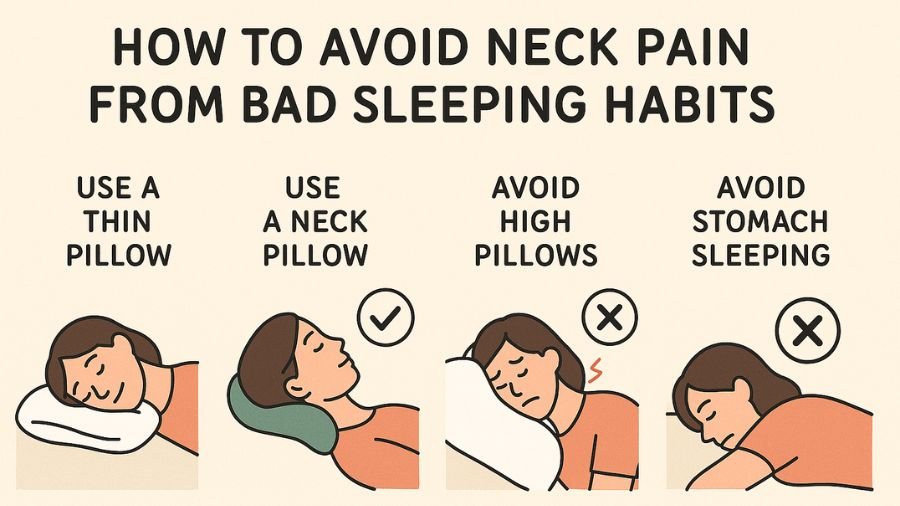
A sleeping position can be one of the most ignored causes of neck pains. Sleeping on your stomach twists the neck unnaturally and strains the spine. The best sleeping position is on your back or side with a supportive pillow that keeps the neck in line with the spine. Orthopedic neck pillows made of memory foam or designed for the cervical area can provide excellent relief.
Also Read: Understanding Physiotherapy for Neck and Shoulder Pain
It is also important to consider your mattress. Mattress that is too soft can produce a dip in your head bringing your neck and the back in bad alignment. Conversely, a mattress that is too hard may provide a lack of contouring of the natural curvature of the spine. In case neck pain has become the common effects of sleeping after you slept, it is high time that you re-evaluate your sleeping arrangement.

Also Read: 5 Quick Home Remedies for Leg Cramp Relief and Prevention
Gentle neck exercises added to daily routines can help prevent night-time ache. Gentle stretching, yoga, or neck rotations before bed can help relax the muscles. While over-the-counter medicines may ease soreness, lasting relief comes from regular care and proper posture.
In case you experience continuous pain, you should involve an expert. The number of people seeking neck pain treatment in Brampton or neck pain treatment near me in Ontario is large. People want to get qualified care. Professional intervention may hasten the process of recovery whether one is dealing with physiotherapy, chiropractic care or massage therapy.
Also Read: Is Physiotherapy Good for Neck and Back Pain?
The whole idea about avoidance of neck pain is not merely a curative approach but an improved life choice. It will save your health: You develop better sleep habits, strengthen your spine, and manage neck pain caused by poor sleeping positions

Also Read: What Should You Not Do After Cupping?
FAQs
Q1: What helps to alleviate neck pains caused by wrong sleeping?
A1: You may perform a soft stretch, put a warm compress, and place a supportive pillow. Should the ache not pass, seek professional advice with a provider of neck ache therapy.
Also Read: 10 Gentle Workouts to Help Lower Back Pain at Home
Q2: How can neck pain be cured quickly at home?
A2: To the people who want to know the best way to cure sore neck in short amounts of time, apply heat or cold treatment, perform a slight stretch, and administer a mild painkiller to stiff neck. Nevertheless, do not excessively wear the neck, keep the right posture.
Q3: At what point do I decide to consult a specialist on neck pain?
A3: Your discomfort may persist longer than several days or can get even worse, in case of such an experience, you should consider exploring neck pain Brampton services or seek sore neck treatment near me to locate a reliable clinic.
Also Read: 10 Safe Ways to Treat Neck Pain during Pregnancy
Q4. How should I sleep to avoid neck issues?
A4: Sleep with your neck in a natural position. Use a pillow that supports your head and keeps your neck aligned with your spine. Sleeping on your back or side is usually the best choice.
Q5. Can bad sleeping positions cause neck pain?
A5: Yes. Sleeping with your neck bent too far forward, backward, or to one side for many hours can strain your muscles and joints, leading to neck pain and stiffness.
Q6. What is the best pillow for neck pain?
A6: Choose a pillow that supports the natural curve of your neck. The right pillow should keep your head level with your shoulders, not too high or too low.
Q7. Is it okay to sleep on my stomach?
A7: Sleeping on your stomach is not recommended if you have neck pain. It forces your head to turn to one side for a long time, which can increase strain on your neck.
Also Read: 5 Common Types of Back Pain You Should Know
Q8. How can I stop neck pain from bad sleep?
A8: Improve your sleeping position, use a supportive pillow, and avoid sleeping in awkward positions. Gentle neck stretches in the morning can also help reduce stiffness.
Q9. What should I do if I wake up with neck pain?
A9: Apply a warm compress, move your neck gently, and avoid sudden movements. If the pain lasts for several days or keeps coming back, see a healthcare professional.
Q10. When should I see a physiotherapist for neck pain?
A10: Visit a physiotherapist if your neck pain is severe, lasts more than a few days, keeps returning, or is accompanied by numbness, tingling, weakness, or pain that spreads into your arms.
Q11. Can a bad pillow cause neck pain?
A11: Yes, a pillow that is too high, too flat, or too firm can cause neck pain. Choose a pillow that supports your head and keeps your neck in line with your spine. The right pillow can help reduce neck stiffness and discomfort.
Q12. How can I prevent neck pain while sleeping?
A12: To prevent neck pain, use a supportive pillow, sleep in a comfortable position, and avoid twisting your neck. Make sure your mattress provides proper support. Gentle stretching before bed may also help relax tight neck muscles.
Q13. Why does my neck hurt when I wake up?
A13: Neck pain in the morning can happen because of poor sleeping positions, an uncomfortable pillow, or muscle tension. Sleeping with your neck bent or twisted for several hours can lead to stiffness and pain when you wake up.
Q14. Can physiotherapy help with neck pain caused by sleeping?
A14: Yes, physiotherapy can help reduce neck pain and improve movement. A physiotherapist can assess your posture, recommend gentle exercises, and suggest better sleeping positions to help prevent future neck discomfort.
Also Read: Shoulder Pain Solutions: 7 Essential Exercises for Quick Relief
Q15. What is the best sleeping position to prevent neck pain?
A15: Sleeping on your back or side is generally better for your neck. These positions help keep your head, neck, and spine properly aligned.
Q16. How can I reduce neck pain after waking up?
A16: Try gentle neck stretches, light movements, and a warm compress to relax tight muscles. Avoid sudden movements and give your neck time to recover.
Q17. How can I avoid neck pain while sleeping?
A17: To avoid neck pain, try sleeping on your back or side with your neck in a comfortable, neutral position. Use a supportive pillow that keeps your head aligned with your spine. Avoid sleeping on your stomach, as it can twist your neck for several hours. Gentle neck stretches before bed may also help reduce muscle tension.
Q18. How do you fix a stiff neck after sleeping in the wrong position?
A18: If you wake up with a stiff neck, try gentle neck movements and apply a warm compress for 15–20 minutes. Avoid sudden movements or forceful stretching. Light massage may also help relax tight muscles. If the stiffness continues or gets worse, consult a physiotherapist for proper assessment and treatment.
Q19. Why do I wake up every morning with neck pain and migraines?
A19: Waking up with neck pain and headaches may be related to poor sleeping posture, muscle tension, an unsuitable pillow, or an underlying neck problem. Some neck-related headaches can cause pain that spreads towards the head. If headaches happen frequently, consult a healthcare professional to identify the cause and discuss suitable treatment.
Q20. What should I do if my neck hurts every day and no pillow helps?
A20: If your neck hurts every day, changing pillows alone may not solve the problem. Poor posture, muscle tightness, joint stiffness, or other neck conditions could be contributing factors. A physiotherapist can assess your neck movement, posture, and muscle strength to recommend exercises and treatment based on your needs.
Q21. Why do people sometimes wake up with neck pain?
A20: Neck pain after sleeping can happen when your neck stays in an uncomfortable position for too long. Other possible causes include an unsupportive pillow, sleeping on your stomach, muscle tightness, or existing neck problems. Choosing the right sleeping position and maintaining good neck support may help prevent morning discomfort.
Q22. How should I sleep when my neck is already hurting?
A22: When your neck hurts, try sleeping on your back with a supportive pillow under your head. If you prefer sleeping on your side, keep your head aligned with your spine and avoid pillows that are too high or too low. You can also apply a warm compress before bedtime. If the pain is severe, persistent, or associated with weakness, numbness, or a sudden severe headache, seek medical attention.
Struggling with Neck Pain After Waking Up?
Don’t let neck pain affect your daily activities. Get professional care at New Hope Physiotherapy. Our physiotherapy team can help you improve neck movement, reduce discomfort, and get back to your daily routine.
📞 Call New Hope Physiotherapy today: 905-846-4000
Conclusion
With a few simple adjustments, you can enjoy a restful night’s sleep and give your painful neck a chance to recover.
Also Read: Frozen Shoulder vs. Rotator Cuff Tear: Key Differences and Symptoms
Dr. Jay Mistry – Chiropractor
Dr. Jay Mistry completed his Honours Bachelor of Science degree at Wilfrid Laurier University. He then earned his Doctor of Chiropractic degree from Texas Chiropractic College.
He is licensed and registered with the College of Chiropractors of Ontario. He is also a member of the Canadian Chiropractic Association and the Ontario Chiropractic Association.
Dr. Jay Mistry is passionate about helping patients feel and move better. He uses evidence-based chiropractic care and creates treatment plans based on each patient’s needs. His goal is to help patients recover, improve their movement, and support their long-term health.
Dr. Mistry continues to update his skills through professional education. He is also certified in Functional Integration Acupuncture.
He uses a variety of treatments, including:
• Chiropractic adjustments
• Manual therapy
• Functional Integration Acupuncture
• Cupping therapy
• Shockwave therapy
• Therapeutic exercises
Dr. Mistry treats many muscle, joint, and movement-related conditions, such as:
• Neck pain
• Low back pain
• Posture-related muscle imbalances
• Headaches caused by neck issues
• Jaw pain and TMJ problems
• Sports injuries
Outside the clinic, Dr. Mistry is a big Toronto Raptors fan. He enjoys playing basketball and tennis, staying active, travelling, and exploring new places.
Also Read: 10 Tips for Managing Sciatica Pain during the Colder Months


Leave a Comment