

Welcome to New Hope Physiotherapy
- Brampton 905-846-4000
- Malton 905-364-3900
- Orangeville 519-217-9300
- admin@newhopephysio.com
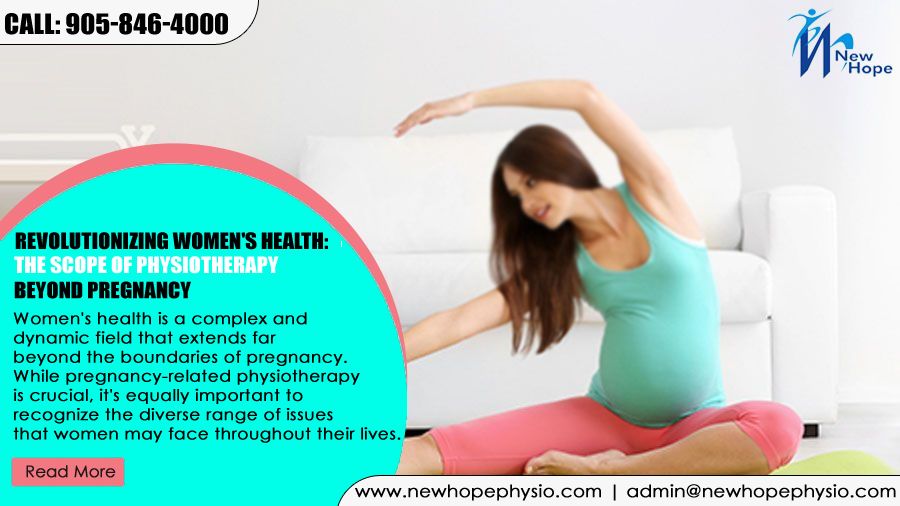
Revolutionizing Women’s Health: The Scope of Physiotherapy beyond Pregnancy
 25 Jan 2024
- newhope
- 0 Comments
- 1290
Revolutionizing Women’s Health: The Scope of Physiotherapy beyond Pregnancy
When most people think of women’s health physiotherapy, they think of pregnancy and postnatal care. And while that’s an important part of the picture, it’s only a small piece of it.
Women’s health physiotherapy covers a broad range of issues that affect women throughout their entire lives — from teenage years to menopause and beyond. It’s a specialised form of care that addresses the unique physical challenges women face at every stage.
If you’ve never considered physiotherapy for anything other than a sports injury or back pain, this guide will open your eyes to just how much it can do for women’s health.
Also Read: Postpartum Back Pain: Easy Ways to Find Quick Relief
What Is Women’s Health Physiotherapy?
Women’s health physiotherapy is a specialised branch of physiotherapy focused specifically on the health needs of women. It goes well beyond treating injuries.
It addresses conditions that are unique to women — or that affect women differently than men — and provides treatment that is tailored to the female body at different life stages.
What It Involves:
- A full assessment of your condition, symptoms, and lifestyle
- A personalised treatment plan designed around your specific needs
- Specialised exercises targeting pelvic floor, core, and other relevant areas
- Hands-on manual therapy when appropriate
- Education on managing symptoms and preventing future problems
- Ongoing support through different life stages
Women’s health physiotherapy is not just for women who have had children. It helps women of all ages — teenagers, women in their 30s and 40s, and those going through menopause or beyond.
Also Read: The Power of Pelvic Floor Physiotherapy in Women’s Health
At a Glance: What Women’s Health Physiotherapy Covers
| Life Stage / Condition | Common Issues | How Physiotherapy Helps |
| Menstrual health | Period pain, cramps, lower back pain | Exercises, manual therapy, posture and lifestyle guidance |
| Pelvic floor dysfunction | Bladder leaks, prolapse, pelvic pain | Pelvic floor retraining, biofeedback, manual therapy |
| Chronic pain | Fibromyalgia, chronic pelvic pain | Exercise programmes, pain education, manual therapy |
| Breast health | Post-surgical recovery, mastitis, breast pain | Lymphatic drainage, scar management, therapeutic exercise |
| Menopause | Joint pain, hot flashes, mood changes, bone loss | Exercise, relaxation, lifestyle adjustment, bone strengthening |
| Osteoporosis / Bone health | Reduced bone density, fracture risk | Weight-bearing exercise, balance training, nutrition education |
| Mental health | Anxiety, depression, stress | Exercise therapy, relaxation, collaboration with mental health team |
| Postoperative recovery | Recovery after gynaecological surgery | Rehabilitation, scar tissue management, return to activity |
1. Menstrual Health
Painful periods are incredibly common — but that doesn’t mean you have to just put up with them. For many women, period pain significantly disrupts daily life, work, and exercise.
What Women Experience:
- Cramping in the lower abdomen and pelvis
- Lower back pain that worsens during menstruation
- Pelvic heaviness or pressure
- Pain that limits exercise, work, and daily activities
How Physiotherapy Helps:
- Targeted exercises to release tight pelvic and lower back muscles
- Manual therapy to reduce muscle tension and improve circulation
- Posture education — poor posture can worsen period pain significantly
- Breathing and relaxation techniques to reduce cramping
- Lifestyle advice on movement, activity timing, and self-care during menstruation
Period pain is not something you simply have to endure. If it regularly affects your quality of life, a women’s health physiotherapist can help — without medication.
2. Pelvic Floor Dysfunction
Pelvic floor problems are far more common than most women realise — and they’re not just for women who have had children.
Any woman can develop pelvic floor issues. Aging, hormonal changes, obesity, heavy lifting, or even chronic constipation can all weaken or tighten the pelvic floor muscles.
Common Pelvic Floor Conditions:
| Condition | Main Symptoms |
| Urinary incontinence | Leaking when you cough, sneeze, laugh, jump, or exercise |
| Urgency incontinence | A sudden, strong urge to urinate that’s hard to control |
| Pelvic organ prolapse | A heaviness or bulging sensation in the pelvic area |
| Pelvic pain | Persistent pain in the lower abdomen, hips, or between the legs |
| Painful intercourse (dyspareunia) | Pain during or after sex |
| Vaginismus | Involuntary tightening of vaginal muscles making penetration painful |
How Physiotherapy Helps:
- Pelvic floor exercises — done correctly, with your physiotherapist confirming proper technique
- Manual therapy — gentle internal and external techniques to release tight muscles
- Biofeedback — real-time visual feedback so you can see whether you’re engaging the right muscles
- Bladder training — strategies to improve bladder control and reduce urgency
- Education on daily habits, posture, and activity that affect pelvic floor function
Many women do Kegel exercises incorrectly for years without improvement. A women’s health physiotherapist will confirm whether you’re doing them right — and adjust the approach if needed.
3. Chronic Pain Management
Chronic pain conditions disproportionately affect women. Conditions like fibromyalgia, chronic pelvic pain, and endometriosis-related pain can significantly reduce quality of life — and are often poorly managed with medication alone.
What Physiotherapy Offers for Chronic Pain:
- Personalised exercise programmes that build strength and reduce pain sensitivity over time
- Manual therapy to release muscle tension and improve movement
- Pain education — understanding the science of pain changes how you experience and manage it
- Breathing and relaxation techniques to calm the nervous system
- Pacing strategies — learning to manage energy and activity without triggering flare-ups
- Collaboration with your GP and other specialists for a coordinated care plan
The goal isn’t just to reduce pain — it’s to give women the tools to take back control of their daily lives.
Research consistently shows that exercise and physiotherapy produce better long-term outcomes for chronic pain than medication alone. Getting started gently is key.
4. Breast Health and Post-Surgical Recovery
Breast health physiotherapy is an area that many women don’t know exists — but it can make a significant difference after surgery, cancer treatment, or breast-related conditions.
Conditions Physiotherapy Can Help With:
- Recovery after lumpectomy, mastectomy, or breast reconstruction
- Lymphoedema — swelling caused by lymph node removal during cancer treatment
- Scar tissue management after surgery — preventing tightness that restricts movement
- Mastitis — breast inflammation, particularly in breastfeeding women
- Chronic breast pain
- Shoulder and posture problems that develop after breast surgery
How Physiotherapy Helps:
- Lymphatic drainage techniques to reduce swelling in the arm and chest
- Scar massage and mobilisation to improve tissue flexibility and comfort
- Shoulder mobility and strengthening exercises
- Posture retraining — particularly important after mastectomy
- Emotional support and education throughout the recovery process
Post-surgical physiotherapy after breast cancer treatment is not always offered automatically. Ask your oncology team about a referral — it can significantly improve both physical and emotional recovery.
5. Menopause Management
Menopause is a major hormonal transition — and its physical effects are often underestimated and undertreated. Physiotherapy can help manage many of the symptoms that accompany this life stage.
Menopausal Symptoms Physiotherapy Can Help With:
- Joint pain and stiffness — hormonal changes affect joint lubrication
- Muscle weakness and reduced fitness — common during and after menopause
- Pelvic floor changes — oestrogen decline affects pelvic floor muscle tone
- Sleep disruption — often linked to physical discomfort and hot flashes
- Mood changes — exercise is one of the most effective interventions for anxiety and low mood
- Body composition changes — physiotherapy supports safe and effective exercise during this transition
Physiotherapy Approaches for Menopause:
| Symptom | Physiotherapy Approach |
| Joint pain and stiffness | Mobility exercises, manual therapy, anti-inflammatory lifestyle advice |
| Muscle weakness | Progressive strength training tailored to menopausal physiology |
| Pelvic floor changes | Pelvic floor retraining to address bladder changes and prolapse risk |
| Mood and anxiety | Exercise prescription, relaxation techniques, referral to mental health support |
| Sleep problems | Relaxation strategies, sleep hygiene advice, evening exercise timing |
| Bone density loss | Weight-bearing exercise and balance training to protect bones |
Menopause is not a condition to just endure. Physiotherapy offers practical, evidence-based strategies for managing symptoms and maintaining quality of life through this transition.
6. Osteoporosis and Bone Health
Osteoporosis — reduced bone density — is significantly more common in women than men, particularly after menopause. It’s often called a silent disease because bones weaken without obvious symptoms — until a fracture occurs.
How Physiotherapy Strengthens Bones and Reduces Fracture Risk:
- Weight-bearing exercise — activities like walking, dancing, or resistance training directly stimulate bone density
- Strength training — builds muscle mass, which protects and stresses bones beneficially
- Balance training — reduces the risk of falls, which are the primary cause of fractures in women with osteoporosis
- Posture improvement — reduces spinal loading and the risk of vertebral compression fractures
- Safe exercise guidance — knowing which exercises to avoid is as important as knowing which ones to do
- Nutrition education — calcium and Vitamin D alongside exercise are the foundation of bone health
Exercise is one of the most powerful tools available for preventing and managing osteoporosis. The right type of exercise, done consistently, can genuinely slow or reverse bone density loss.
7. Mental Health and Physical Well-Being
The connection between physical health and mental health is well established — and physiotherapy actively works on both.
Women are disproportionately affected by anxiety and depression. Chronic pain, hormonal changes, and major life transitions like pregnancy and menopause all contribute to this. Physiotherapy addresses these through the body — and in doing so, supports the mind.
How Exercise and Physiotherapy Support Mental Health:
- Exercise releases endorphins — natural mood-lifting chemicals
- Regular movement reduces cortisol — the body’s primary stress hormone
- Physical progress builds confidence and a sense of control
- Reducing chronic pain directly improves mood and sleep
- Social interaction during group exercise or regular clinic visits reduces isolation
A Collaborative Approach:
Women’s health physiotherapists don’t work in isolation. When mental health needs are significant, they work closely with:
- GPs and psychiatrists
- Psychologists and counsellors
- Pain management specialists
- Social workers and community support teams
You don’t have to separate your physical and mental health. A women’s health physiotherapist takes both seriously — and can help coordinate support across both.
Who Can Benefit from Women’s Health Physiotherapy?
The simple answer is: women of all ages.
| Life Stage | Common Reasons to Seek Physiotherapy |
| Teenagers | Period pain, sports injuries, postural problems, early pelvic floor awareness |
| Women in their 20s-30s | Pelvic floor issues, pregnancy, postpartum recovery, chronic pain |
| Women in their 40s | Perimenopause changes, pelvic organ prolapse, bone health, joint pain |
| Women going through menopause | Joint pain, pelvic floor decline, mood changes, bone density loss |
| Women post-menopause | Osteoporosis prevention, balance training, falls prevention, maintaining mobility |
| Women after surgery | Breast surgery recovery, hysterectomy rehabilitation, scar management |
You don’t need a specific diagnosis to benefit from women’s health physiotherapy. If something about your body is bothering you — at any stage of life — it’s worth getting assessed.
5 Frequently Asked Questions About Women’s Health Physiotherapy
- Is women’s health physiotherapy only for women who have had children?
Not at all. While postnatal care is an important part of women’s health physiotherapy, it covers the full spectrum of women’s health across all life stages. Teenagers with period pain, women in their 30s dealing with pelvic floor issues unrelated to childbirth, women going through menopause, and those recovering from breast surgery are all ideal candidates. If you’re a woman experiencing any physical challenge related to your body, women’s health physiotherapy is worth exploring.
Also Read: 10 Gentle Workouts to Help Lower Back Pain at Home
- Do I need a doctor’s referral to see a women’s health physiotherapist?
In most cases, no. You can book directly with a women’s health physiotherapy clinic without a GP referral. However, it’s always worth checking with your insurance provider first, as some plans require a referral for coverage purposes. If you’re dealing with a complex condition — like endometriosis or post-cancer care — letting your specialist know you’re seeking physiotherapy allows them to share relevant medical information with your physiotherapist, which leads to better-coordinated care.
- Is the internal pelvic assessment painful or uncomfortable?
It’s common to feel nervous about this — and that’s completely understandable. A women’s health physiotherapist is specifically trained to make this process as comfortable as possible. They will explain everything before doing anything and check in with you throughout. Internal assessments are always optional — and many conditions can be assessed and treated effectively without one. You are always in control, and nothing will proceed without your explicit consent. Most women find the experience far less uncomfortable than they anticipated.
- Can physiotherapy help with the physical symptoms of menopause?
Yes — significantly. Physiotherapy addresses many of the most common and disruptive menopausal symptoms. Joint pain, pelvic floor changes, muscle weakness, bone density loss, sleep disturbance, and mood changes all respond well to targeted exercise and physiotherapy interventions. As awareness grows about the limitations of hormone replacement therapy for some women, physiotherapy is increasingly being recognised as an essential part of menopausal care. Ask your GP for a referral or book directly with a women’s health physiotherapy clinic.
- How long does a course of women’s health physiotherapy typically take?
It depends on your condition and goals. Some women notice significant improvement in as few as 4 to 6 sessions. Conditions like uncomplicated stress incontinence or period pain often respond well within 6 to 8 weeks of consistent work. More complex issues — like chronic pelvic pain, post-surgical rehabilitation, or osteoporosis management — may involve longer-term support with regular reassessment. Your physiotherapist will be upfront about realistic timelines from the start and will review progress at every appointment.
Also Read: 5 Common Types of Back Pain You Should Know
Final Thoughts
Women’s health physiotherapy is one of the most underutilised healthcare resources available to women today. Many of the conditions it treats — period pain, bladder leaks, pelvic floor issues, menopausal joint pain — are so common that women simply accept them as normal parts of being female.
They don’t have to be.
Whether you’re a teenager dealing with painful periods, a woman in your 40s noticing changes in your body, or someone navigating the challenges of menopause — women’s health physiotherapy can help. It offers personalised, evidence-based care that respects your body at every stage of life.
You deserve to feel well — not just manage. Take the first step and book an assessment with a qualified women’s health physiotherapist.
Also Read: What Should You Not Do After Cupping?
Gauravdeep Randhawa, Registered Physiotherapist
Gauravdeep Randhawa is a caring and experienced physiotherapist with over 17 years of experience helping patients recover and improve their quality of life.
She started her own practice in Canada in 2009 and has treated many patients with muscle, joint, sports, neurological, and pelvic health conditions. She has also owned and operated multidisciplinary clinics.
Gauravdeep is a Certified Manual Therapist and has completed training in Contemporary Medical Acupuncture and Pelvic Floor Therapy. She uses hands-on treatment, personalized exercise programs, and evidence-based care to support each patient’s recovery.
Her goal is to help people reduce pain, restore movement, improve function, and achieve long-term wellness in a comfortable and supportive environment.
Medical Disclaimer:
This content is for general information only and is not a substitute for professional medical advice, diagnosis, or treatment. Women’s health needs can vary from person to person. Please consult a qualified healthcare professional or physiotherapist for advice based on your individual needs and condition.
Leave a Comment