
Welcome to New Hope Physiotherapy
- Brampton 905-846-4000
- Malton 905-364-3900
- Orangeville 519-217-9300
- admin@newhopephysio.com
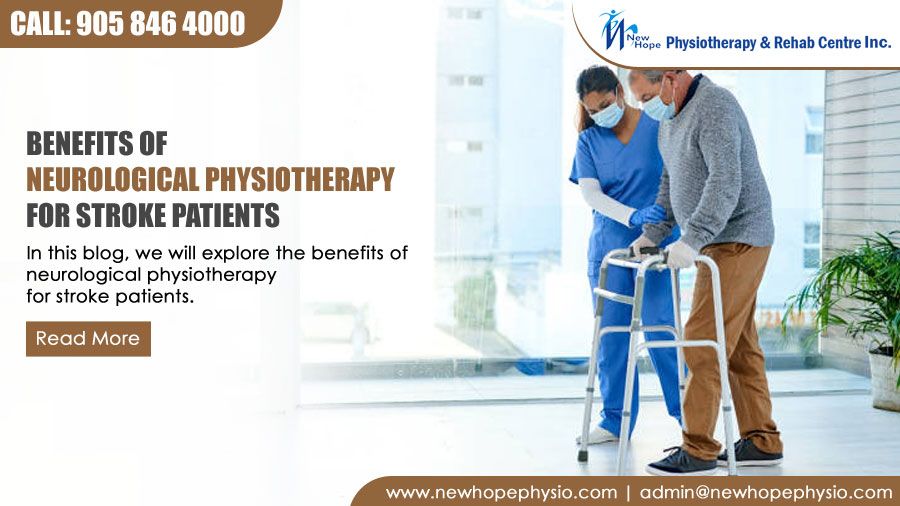
10 Benefits of Neurological Physiotherapy for Stroke Patients
 13 May 2023
- Comments
- 966
10 Benefits of Neurological Physiotherapy for Stroke Patients
Stroke is one of the leading causes of long-term disability. But with the right support, many survivors can regain their independence. Neurological physiotherapy plays a big role in that recovery.
Also Read: 15 Benefits of Physical Therapy (PT)
1. It rebuilds movement
After a stroke, muscles can feel weak, stiff, or hard to control. Physiotherapy helps retrain the body using:
- Targeted exercises to strengthen weak muscles
- Electrical stimulation to wake up nerve pathways
- Real-life tasks like gripping, reaching, and walking
Over time, these techniques help patients move more freely and do everyday tasks on their own.
2. It improves balance and lowers fall risk
Many stroke survivors struggle with balance. This increases the risk of falling. Physiotherapy includes exercises that retrain the body to stay stable, such as:
- Shifting weight from side to side
- Standing on uneven surfaces
- Moving in ways that challenge your centre of gravity
3. It reduces pain
Pain in the affected limb is common after a stroke. Physiotherapy eases discomfort through:
- Gentle massage
- Stretching and range-of-motion exercises
- Improved blood flow to speed up healing
These techniques also help prevent joint stiffness from developing over time.
4. Promotes Independence and Quality of Life
Getting stronger and moving better means doing more on your own — getting dressed, cooking, going for a walk. That independence has a real effect on mood, confidence, and overall mental health.
5. Helps Prevent Future Strokes
Physiotherapy supports habits that lower the risk of a second stroke:
Exercise: Regular movement helps manage blood pressure and cholesterol
Stress: Physical activity is one of the best natural stress relievers
Heart health: Aerobic and strength training support cardiovascular function
6. Helps with Speech and Swallowing Difficulties
Some strokes affect the muscles used for speaking and swallowing. Physiotherapy addresses this with:
- Lip and tongue exercises
- Voice and vocalization drills
- Swallowing practice to make eating safer
7. Customized Treatment Plans
No two strokes are the same. A physiotherapist will assess your specific abilities, limitations, and goals — then build a treatment plan just for you. This personalized approach means you’re working toward the right targets, at the right pace.
8. Helps with Mental Health
Stroke patients may also experience depression, anxiety, and other mental health issues due to the physical and emotional impact of their condition. Neurological physiotherapy can help to improve mental health by providing a positive and supportive environment for the patient to achieve their rehabilitation goals. Additionally, the physical improvements achieved through neurological physiotherapy can help to boost self-esteem and confidence, which can contribute to better mental health outcomes.
9. Improved Cardiovascular Health
Stroke patients are at a higher risk of cardiovascular disease due to their condition, and neurological physiotherapy can help to improve cardiovascular health through exercise and physical activity. The physiotherapist will develop a customized exercise plan that includes aerobic and resistance exercises to help improve cardiovascular health, reduce the risk of future strokes, and improve overall health and well-being.
10. It’s more affordable than you might think
Neurological physiotherapy doesn’t require expensive equipment or medication. It can also reduce long-term costs by:
- Lowering the risk of falls and related injuries
- Preventing complications like pressure sores
- Reducing the need for ongoing hospital care
Some insurance plans cover it — worth checking with your provider.
Conclusion
In conclusion, neurological physiotherapy is a critical aspect of stroke rehabilitation that offers numerous benefits to stroke patients. It can help to improve motor function, enhance balance and coordination, reduce pain and discomfort, promote independence and quality of life, prevent future strokes, and even help with speech and swallowing difficulties. If you or a loved one has suffered a stroke, consult with a qualified neurological physiotherapist to develop a personalized treatment plan that can help improve your recovery and overall well-being.
More like that, visit: https://www.newhopephysio.com/

Leave a Comment