

Welcome to New Hope Physiotherapy
- Brampton 905-846-4000
- Malton 905-364-3900
- Orangeville 519-217-9300
- admin@newhopephysio.com
Role of Physiotherapy in managing stress & Chiropractic treatment
 7 May 2022
- New Hope
- 0 Comments
- 1061
Role of Physiotherapy in managing stress & Chiropractic treatment
Role of Physiotherapy in managing stress & Chiropractic treatment
Stress:- It is a psychological response which is produced by the body when it is not able to combat with pressures either from external sources or internal sources.
Types of stress:- physical stress, mental stress.
Also Read : Top Interesting Facts About Physiotherapy
Symptoms of stress:-
- Physical stress -Low level of energy, headaches,lack of sleep, aches and pain,tensed muscles, cardiac disorders,GI disorders.
- Mental stress – anxiety, depression, burnout,emotional distress,elevated blood pressure, irritability etc.
- Acute stress – Stress related to a specific period of time i.e. mostly it occurs post trauma, or situation or emotion related.
- Chronic stress – stress related to prolonged period of time,it may be related to emotional pressures.
Types of physiotherapy techniques in managing stress:-
Massage therapy: –
Therapy is an effective way to help relax sore muscles and improve blood flow in the body, it also acts as a powerful, natural stress reliever for many people. The Massage help people overcome common health conditions like fibromyalgia, anxiety and arthritis or relieve pain and stress etc.
Also Read : Chiropractors And Physiotherapists: Are They The Same?
Role of Massage Therapy Brampton in relieving stress:-
- Removes aches from the body and reduces stress levels
- Helps in minimizing anxiety and depression
- Regulates harmones and control diabetes
- Raises immunity
- Helps to lower blood pressure
- Helps to maintain flexibility of the body
- Prevents injuries related to sports.
Also Read : Key Differences Between Physiotherapy And Massage Therapy
TYPES OF MASSAGE THERAPIES:-
- Hot stone – it helps to calm nervous system, relieve sore muscles ,relieves stress by using moist heat technique
- A shiatsu – majority of work is also done using therapist‘s feet and pressure may vary from light to deep.
- Myofascial release – used to treat adhesions, deep tissue work but light pressure.
- Range of motion / stretching – Mixture of massage and stretching, increase flexibility and relieves pain.
- Pregnancy /prenatal – This massage basically covers back, gluteal region legs and feet. So this technique increases blood circulation and relax muscles.
- Reflexology – this massage technique basically for hands and feet to relieve stress as well as any anomaly if developing can taken care of.
Also Read : World Physical Therapy / Physiotherapy Day 2024
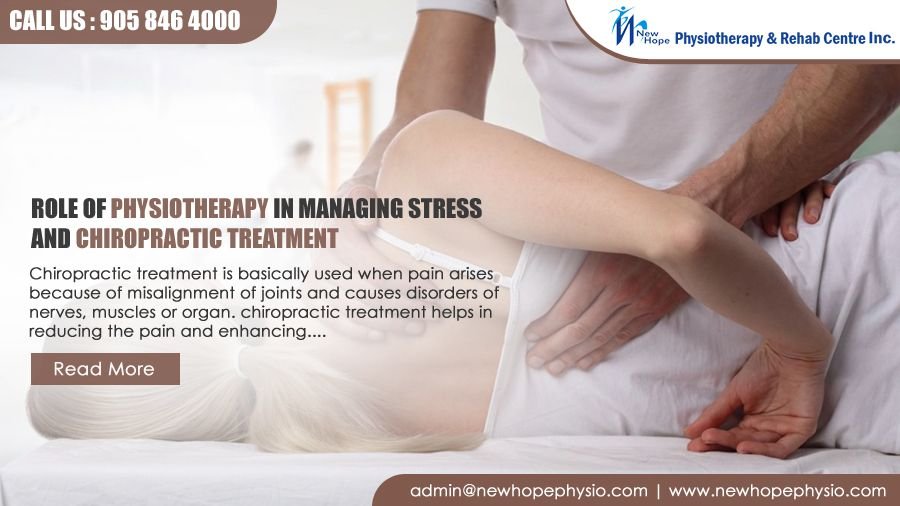
Chiropractic treatment Brampton:- This type of treatment is used when a person goes through accidents and there is pain associated with more then injury .
Moreover, chiropractic treatment basically used when pain arises because of misalignment of joints and causes disorders of nerves, muscles or organ. Also chiropractic treatment helps in reducing the pain and enhancing the functionality of muscles and organs and our nervous system by means of exercise and other therapies.
Also Read : Laser Therapy : Get To Know The Purpose, Procedure, And Risks
So, Chiropractors use a variety of non-surgical treatments to treat patients with certain types of:-
- Lower back pain / sciatica
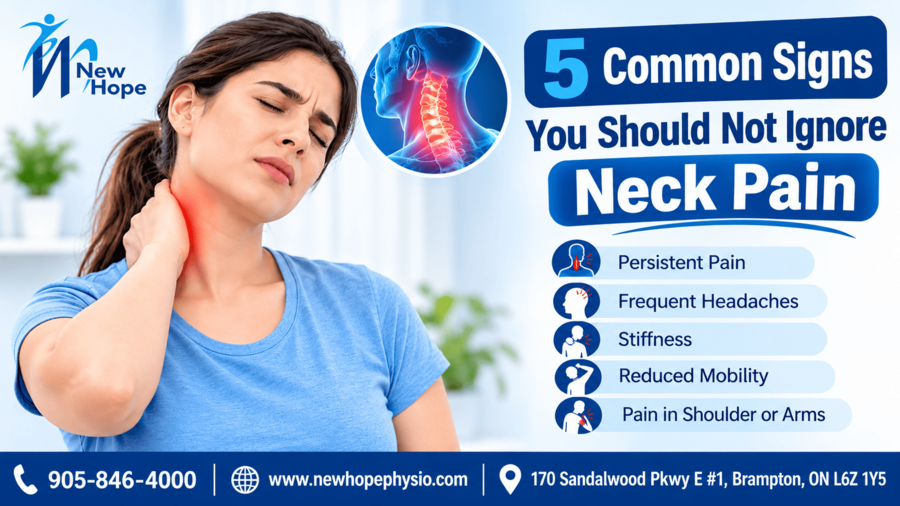
- Neck pain / stiffness
- Repetitive strains
- Headaches
- Sports injuries
- Car accident injuries
- Arthritic pain.
- physiotherapy
Also Read : When Is World Physical Therapy Day Observed?
FAQS:
1. How does physiotherapy help in stress management?
Physiotherapy helps reduce stress by relaxing tight muscles, improving blood flow, and using gentle exercises and breathing techniques that calm the body and mind.
2. Can chiropractic treatment reduce stress?
Yes, chiropractic care can help reduce stress by improving spinal alignment, easing nerve pressure, and helping the body feel more balanced and relaxed.
3. What is the difference between physiotherapy and chiropractic care?
Physiotherapy focuses on exercises, movement, and muscle recovery, while chiropractic care focuses on spinal adjustments to improve body alignment and function.
4. Do I need both physiotherapy and chiropractic treatment for stress?
In some cases, yes. A combination of both can help improve posture, reduce muscle tension, and support better physical and mental well-being.
5. How quickly can I feel relief from stress with these treatments?
Many people feel some relief after a few sessions, but results depend on your condition, lifestyle, and how regularly you follow the treatment plan.
Also Read: World Arthritis Day 2026: Common Arthritis Mistakes to Avoid
6. Can stress cause neck, shoulder, and back pain?
Yes! Stress can make your muscles tight, especially around your neck, shoulders, and back. Physiotherapy and chiropractic treatment may help relieve muscle tension and improve movement.
7. How does chiropractic treatment help with stress-related pain?
Chiropractic treatment focuses on muscles, joints, and spinal movement. It may help reduce certain types of neck and back pain, making daily activities more comfortable.
8. Which is better for stress-related pain: physiotherapy or chiropractic treatment?
Both treatments may help with certain types of muscle and joint pain. Physiotherapy often focuses on exercises and strengthening, while chiropractic care may include hands-on joint treatments. The right choice depends on your symptoms and needs.
9. Can physiotherapy and chiropractic treatment work together?
Yes! Physiotherapy and chiropractic care can complement each other when appropriate. A personalized treatment plan may help reduce pain, improve flexibility, and support better physical well-being.
Medical Disclaimer:
This content is for general information only and should not replace professional medical advice, diagnosis, or treatment. Physiotherapy and chiropractic care may help manage stress, muscle tension, and movement-related discomfort, but results can vary. Always consult a qualified healthcare professional to determine the right treatment for your needs.
Dr. Jay Mistry – Chiropractor
Dr. Jay Mistry completed his Honours Bachelor of Science degree at Wilfrid Laurier University. He then earned his Doctor of Chiropractic degree from Texas Chiropractic College.
He is licensed and registered with the College of Chiropractors of Ontario. He is also a member of the Canadian Chiropractic Association and the Ontario Chiropractic Association.
Dr. Jay Mistry is passionate about helping patients feel and move better. He uses evidence-based chiropractic care and creates treatment plans based on each patient’s needs. His goal is to help patients recover, improve their movement, and support their long-term health.
Dr. Mistry continues to update his skills through professional education. He is also certified in Functional Integration Acupuncture.
Also Read: Top 5 Exercises for Strengthening Your Pelvic Floor
He uses a variety of treatments, including:
• Chiropractic adjustments
• Manual therapy
• Functional Integration Acupuncture
• Cupping therapy
• Shockwave therapy
• Therapeutic exercises
Dr. Mistry treats many muscle, joint, and movement-related conditions, such as:
• Neck pain
• Low back pain
• Posture-related muscle imbalances
• Headaches caused by neck issues
• Jaw pain and TMJ problems
• Sports injuries
Outside the clinic, Dr. Mistry is a big Toronto Raptors fan. He enjoys playing basketball and tennis, staying active, travelling, and exploring new places.
Leave a Comment